
As Ethereum’s Pectra upgrade rolls out, EIP-7702 wallet binding is transforming how we interact with our Externally Owned Accounts (EOAs). With ETH trading at $2,253.74 after a 1.85% dip over the last 24 hours, security remains paramount amid reports of hackers exploiting this feature to drain wallets. Bitget Wallet’s push for binding highlights the perks, but overwriting old contracts demands caution to avoid turning innovation into a vulnerability.

EIP-7702 Type 4 Transaction: JavaScript Example with Risk Warnings
Let’s dive into a real-world example of crafting an EIP-7702 Type 4 transaction in JavaScript with ethers.js. This sets up delegation to a contract, but as Patrick Collins emphasizes in his tutorials, always simulate first to catch issues.
// Example EIP-7702 Type 4 Transaction using ethers.js v6
// Inspired by Patrick Collins' simulation-focused tutorials

const { Wallet, JsonRpcProvider } = require("ethers");

const provider = new JsonRpcProvider("https://mainnet.infura.io/v3/YOUR_PROJECT_ID");
const wallet = new Wallet("0xYOUR_PRIVATE_KEY", provider);

// CRITICAL: Fetch nonce and simulate tx first (use Foundry tender.ly or similar)
const nonce = await wallet.getNonce("latest");

// DANGER ZONE: The 'authority' field delegates your EOA to a smart contract.
// If malicious, it can drain funds, transfer assets, or do anything in ONE tx!
// Verify contract code, ownership, and simulate delegation effects.

const tx = {
  type: 0x04,  // EIP-7702 Type 4
  chainId: 1n, // Mainnet
  nonce,
  maxPriorityFeePerGas: 2_000_000_000n,  // 2 gwei
  maxFeePerGas: 20_000_000_000n,         // 20 gwei
  gasLimit: 21_000n,
  to: "0x742d35Cc6634C0532925a3b8D7c7aC0A2f45bD5B",  // Example recipient
  value: 0n,
  data: "0x",
  accessList: [],
  // HIGH RISK: List of contract addresses to bind/overwrite.
  // Old bindings are replaced; wrong choice = potential total loss.
  authority: ["0xDeadDeaDdeAddEAddeadDEaDDEAdDeaDDeAD0000"]  // Example authority contract - AUDIT THIS!
};

const signedTx = await wallet.signTransaction(tx);
console.log("Signed EIP-7702 Tx Hash (broadcast with provider.broadcastTransaction):", signedTx);
Notice how the ‘authority’ array can overwrite prior delegations in one shot—convenient, but risky. A compromised or unverified contract here means it could rug your entire wallet instantly. Best practice: Use tools like Foundry for tx simulation, check staticcall safety, and consider multi-sig confirmations for high-value binds.
Grasping EIP-7702 Delegation Basics
EIP-7702 lets your EOA temporarily delegate execution to a smart contract, unlocking batch transactions, gas sponsorships, and session keys without abandoning your address. It’s a game-changer for user-friendly wallets, blurring lines between EOAs and smart accounts. Wallets like Bitget now offer dedicated binding entries, as seen in their app updates supporting X Layer and beyond.
Picture this: instead of clunky multi-step approvals, you sign once for complex actions. Biconomy’s guide nails it, EIP-7702 solves UX pain points by enabling programmable permissions on demand. Yet, this power hinges on trusting the delegated code. Poorly managed delegations can expose your funds, especially in a market where ETH’s 24-hour low hit $2,115.33.
Why Overwriting Contracts Sparks Security Alarms
Hackers love EIP-7702’s overwrite capability. BlockSec flagged malicious upgrades hitting SeedifyFund and Griffin_AI, where attackers swapped in rogue contracts via Type 4 transactions. Bitget warns that this temporary smart contract behavior opens doors for drainage if you’re not vigilant. The overwrite replaces prior delegations, potentially erasing safeguards from earlier bindings.
Storage clashes and init race conditions lurk too, per updated contexts. If a new contract doesn’t align with the old one’s layout, your account integrity crumbles. I’ve seen portfolios waver not from market swings, but sloppy implementations. With ETH steady above $2,200 despite volatility, now’s the time to prioritize secure EIP-7702 delegation.

Mastering Safe Overwrites in Multi-Chain Wallets
Bitget Wallet shines here, auto-overwriting old contracts upon new binding while adding detection features post-Pectra. Their app guides users: tap More, select EIP-7702, and proceed. This ensures only trusted contracts take control, vital for EIP-7702 multi-chain wallets. Developers, heed 7702migration. com’s binding guide for seamless SDK integration.
Overwriting isn’t inherently bad, it’s essential for upgrades. But verify contract provenance every time. Use tools scanning for malicious code, and prefer wallets with built-in guards. In my view, balancing these risks with EIP-7702’s upsides compounds security like steady portfolio growth.
Secure EIP-7702 Binding: Overwrite Old Contracts Safely in Bitget Wallet
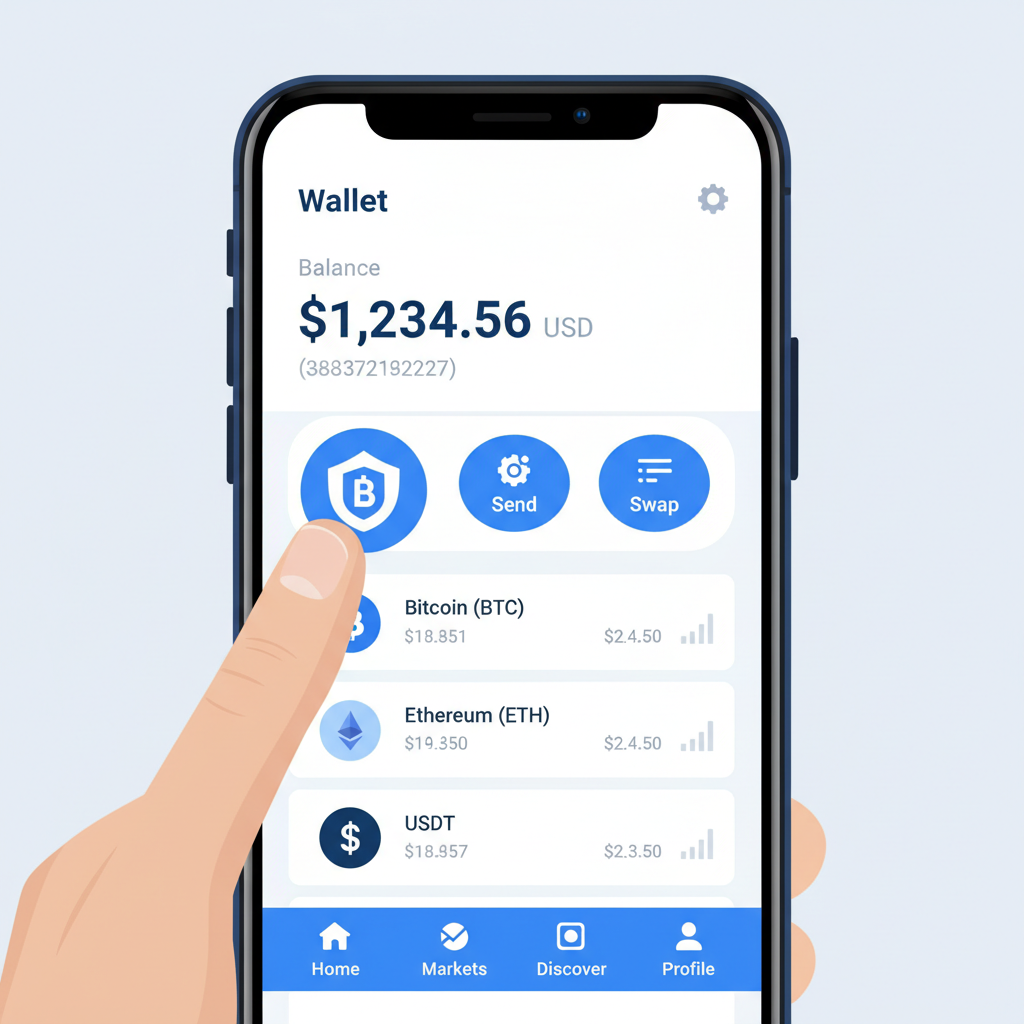
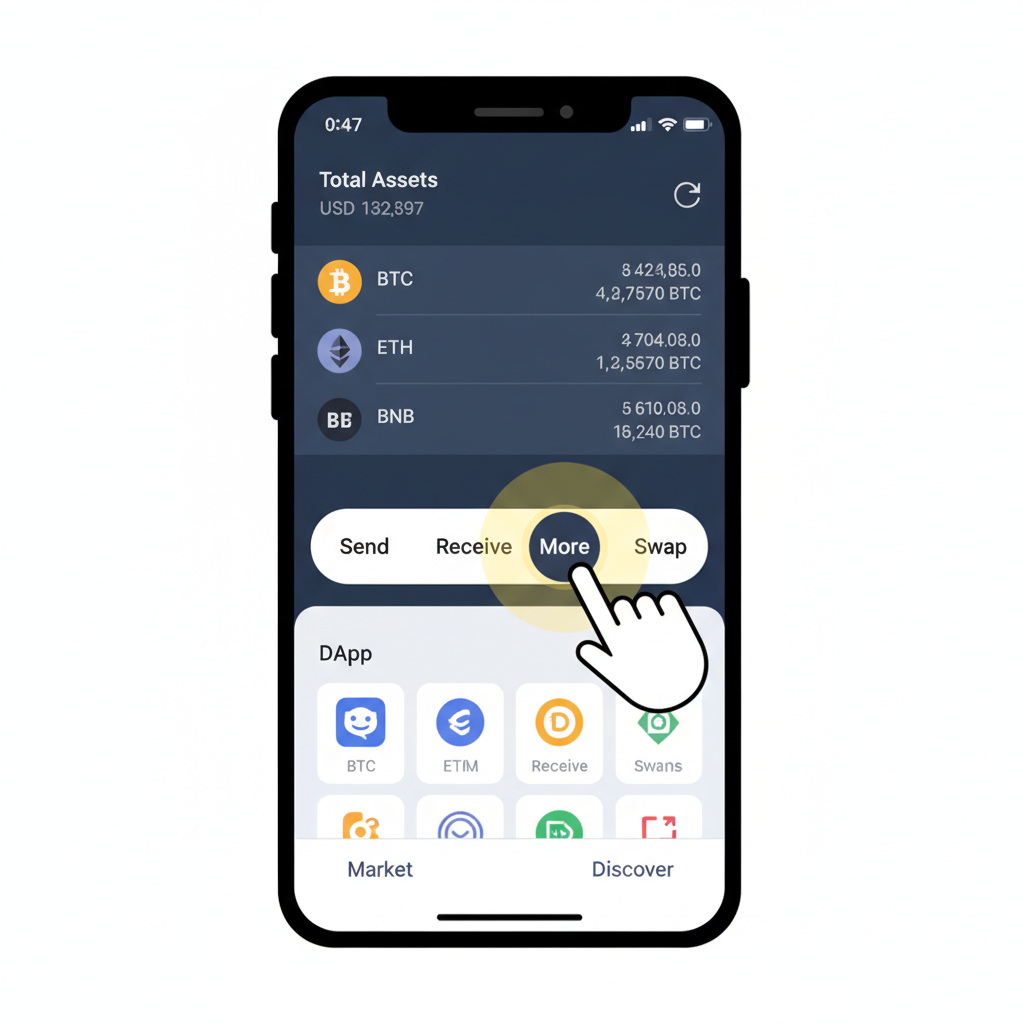
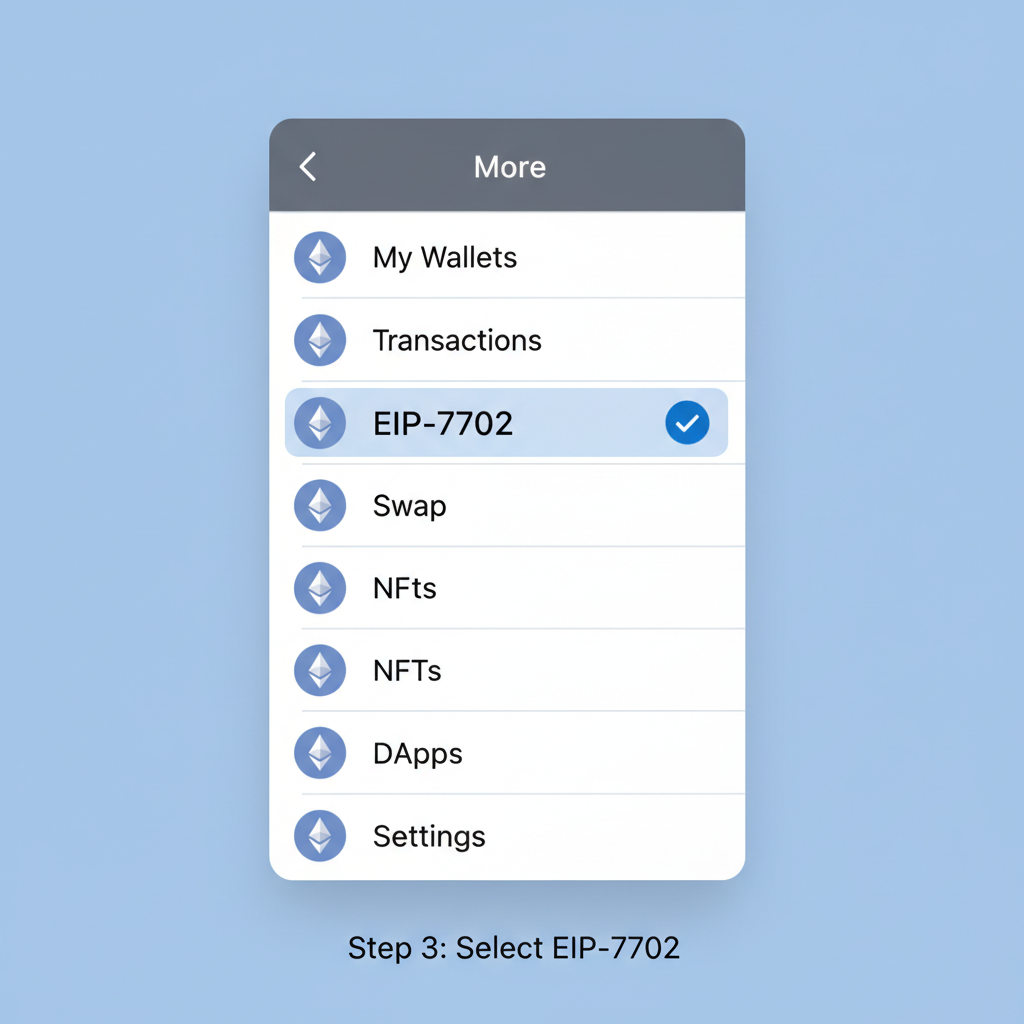
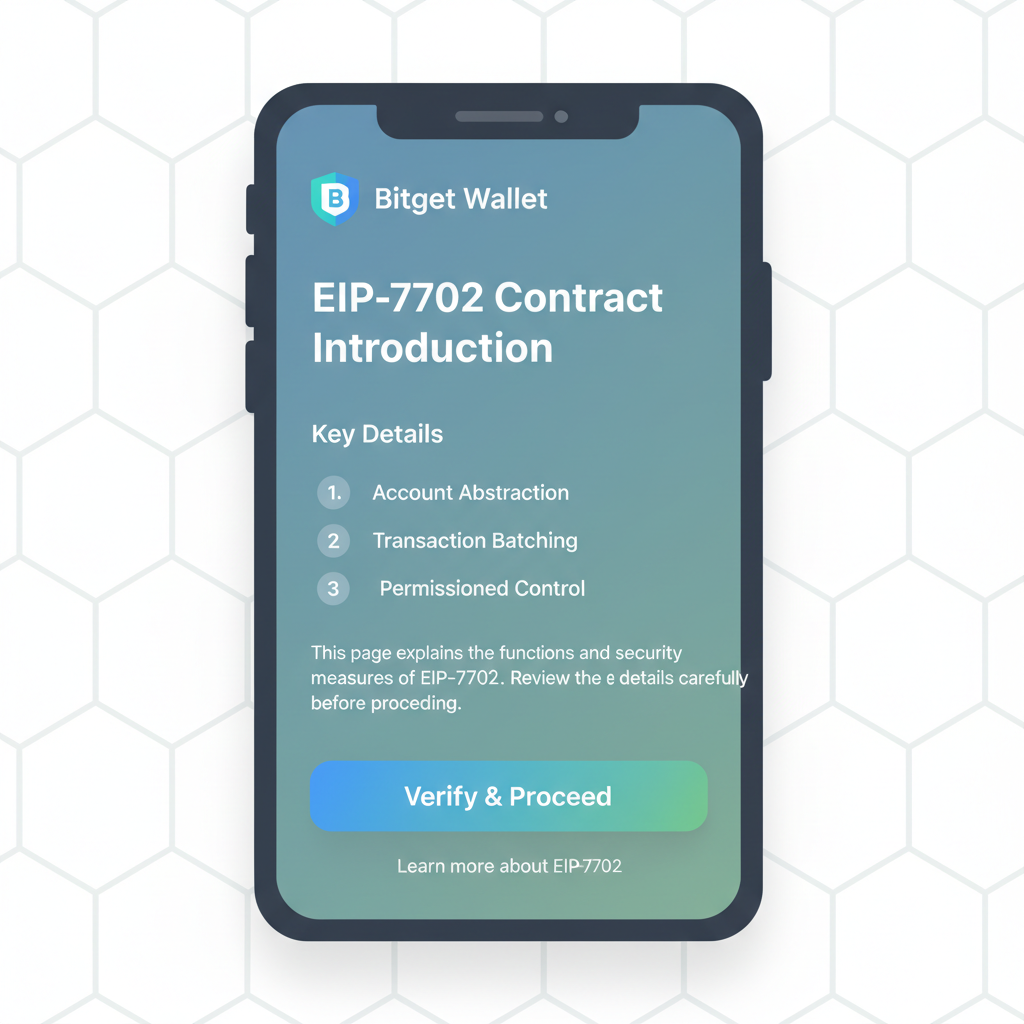
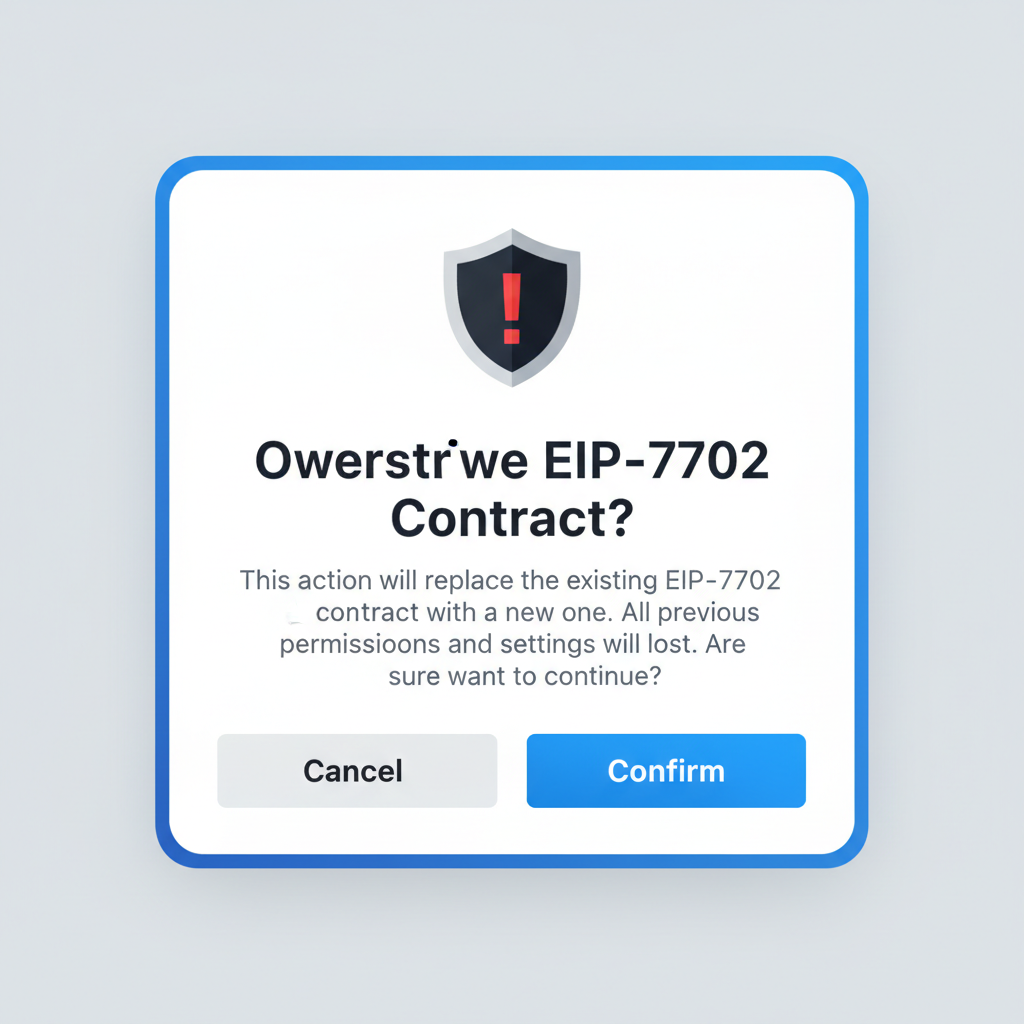
Transitioning existing setups? Audit prior delegations on-chain first. Tools from our ecosystem reveal hidden binds, preventing blind overwrites. As adoption surges, wallets ignoring these steps risk user trust, especially with illicit tactics evolving around USDT and beyond.
About the Author