
As Ethereum trades at $2,238.32, down 2.62% over the last 24 hours with a low of $2,115.33, the Web3 space demands unwavering security amid volatility. MetaMask’s EIP-7702 delegation rollout empowers EOAs to act as smart contract wallets for batch transactions and gas sponsorships, but phishing risks loom large. Dapp builders must prioritize MetaMask EIP-7702 delegation safeguards like auto-revoke to shield users from malicious authorizations. This guide unpacks methodical integration strategies, drawing from MetaMask’s Delegation Toolkit and tools like Revoke. Delegate, ensuring EIP-7702 dapp integration remains robust.

Safely Check & Revoke MetaMask EIP-7702 Delegations with Revoke.cash
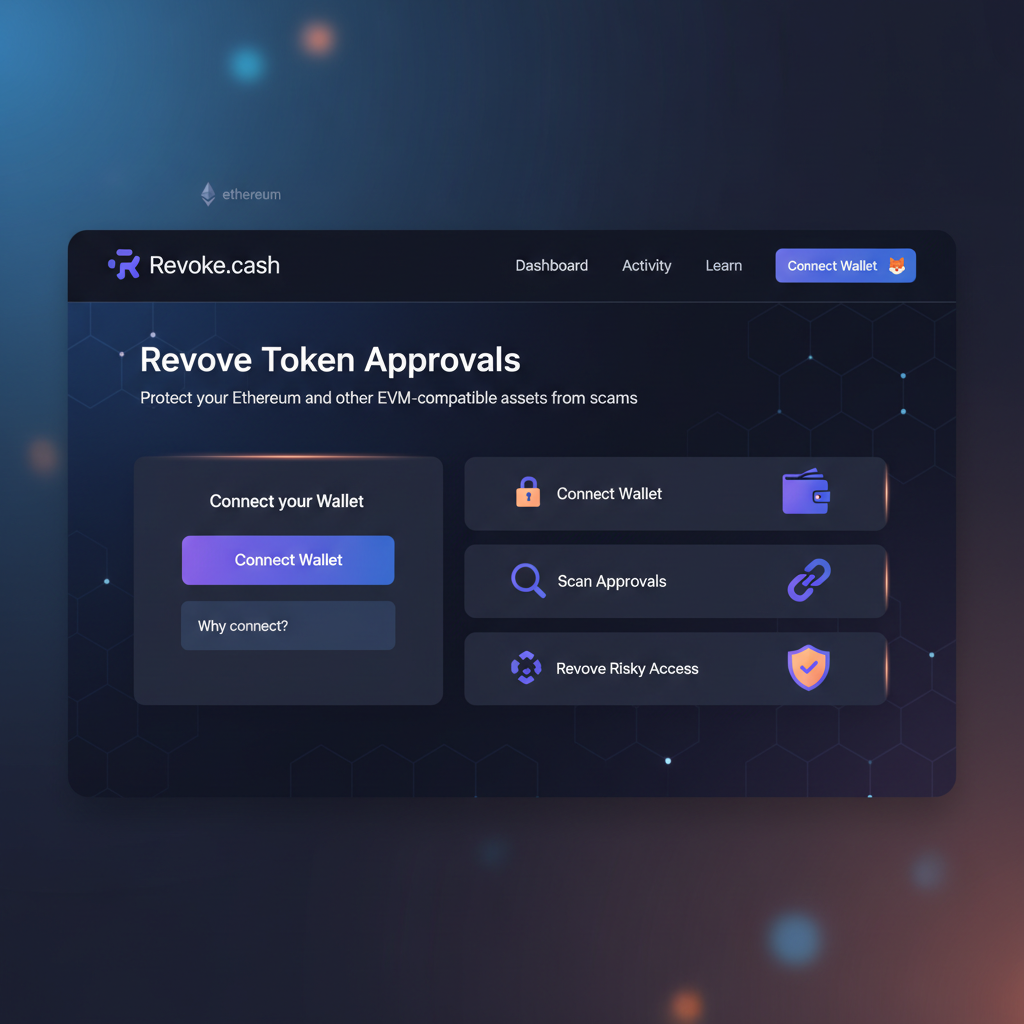
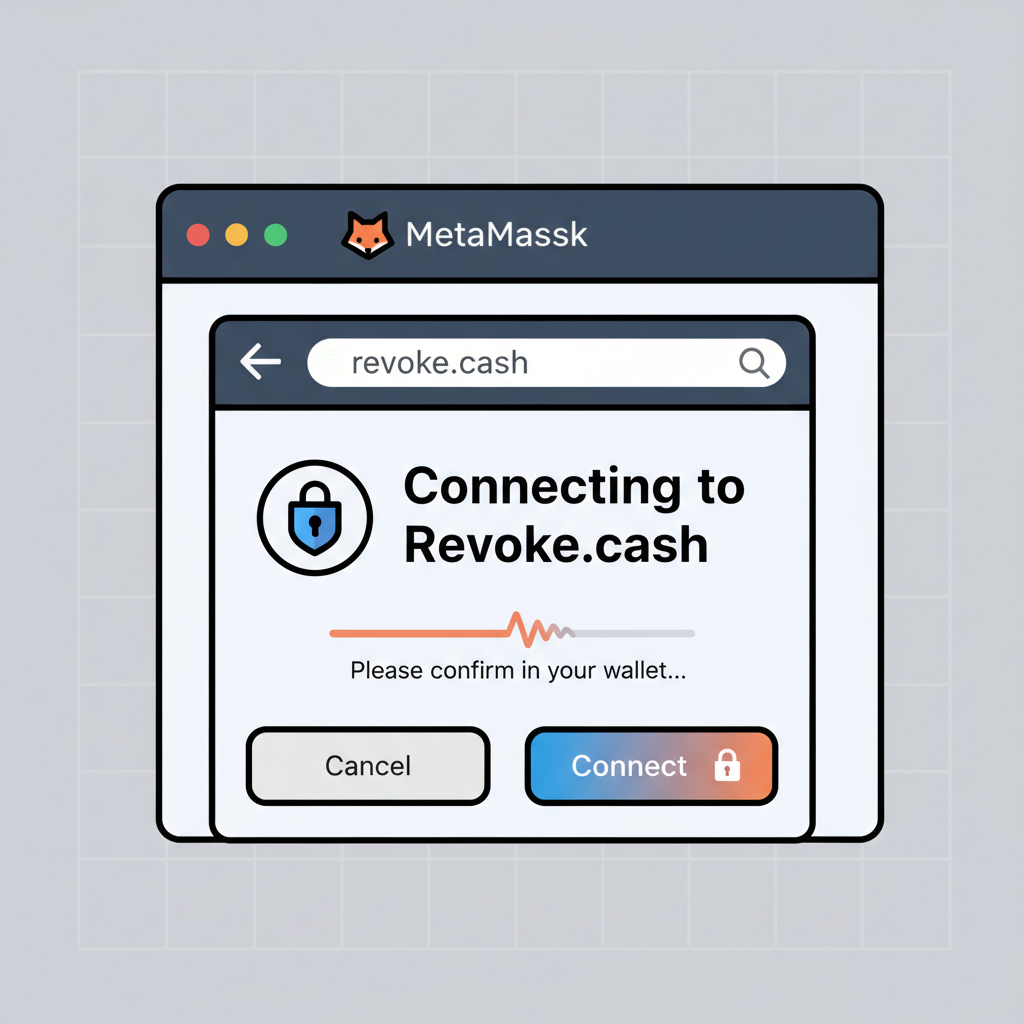
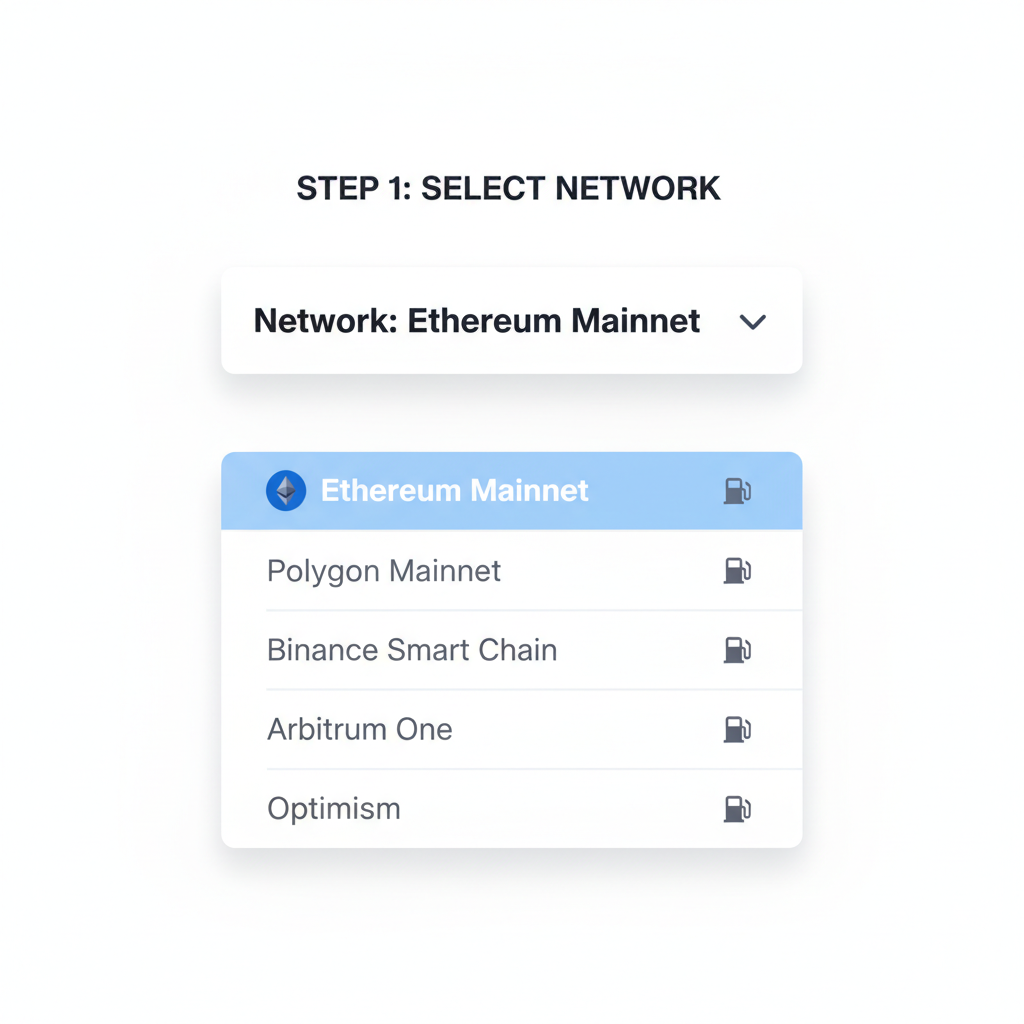
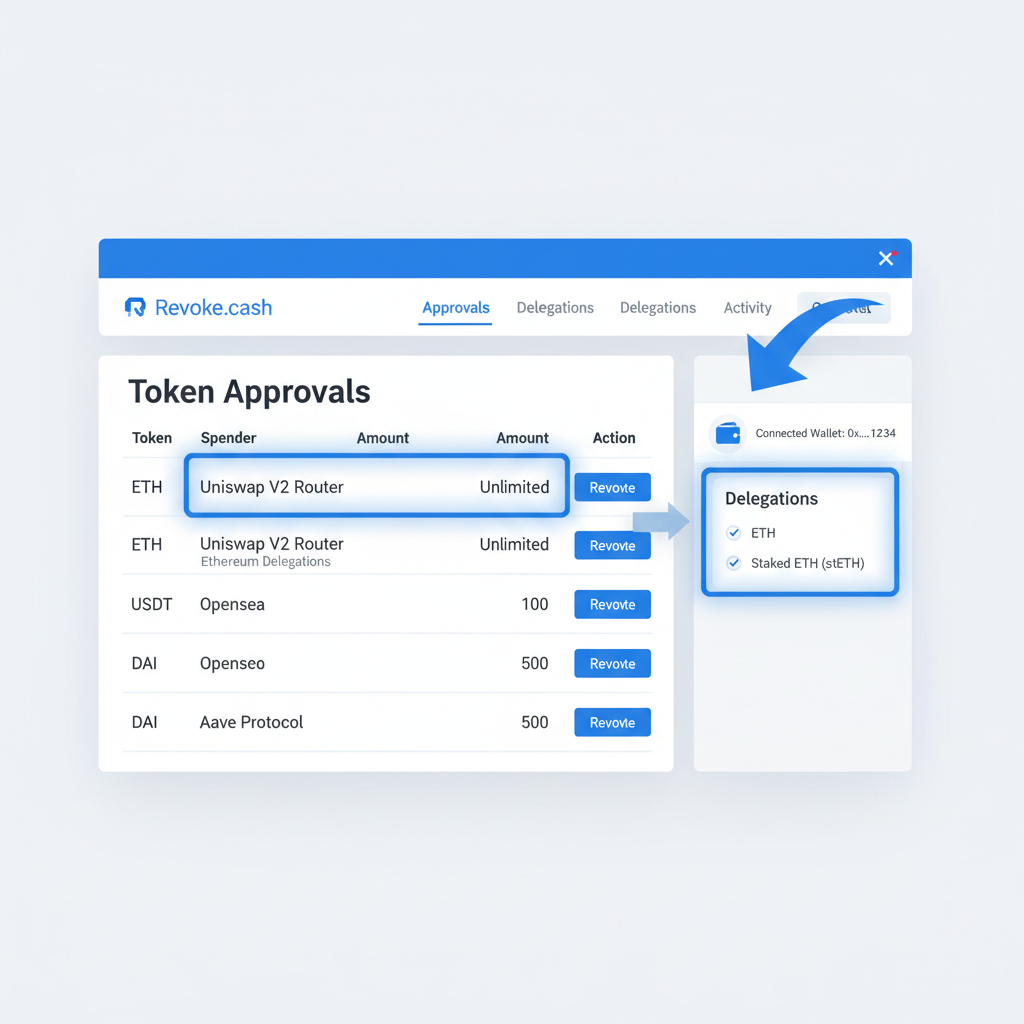
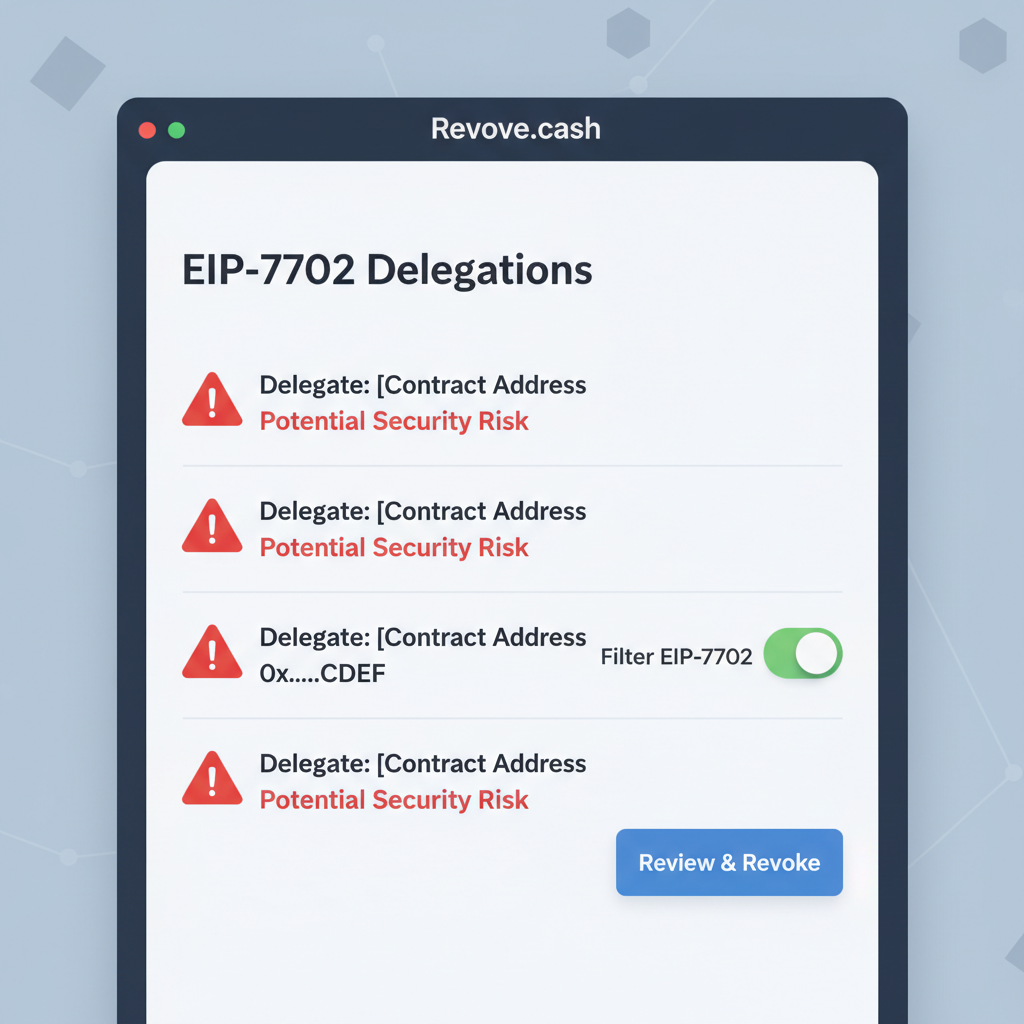
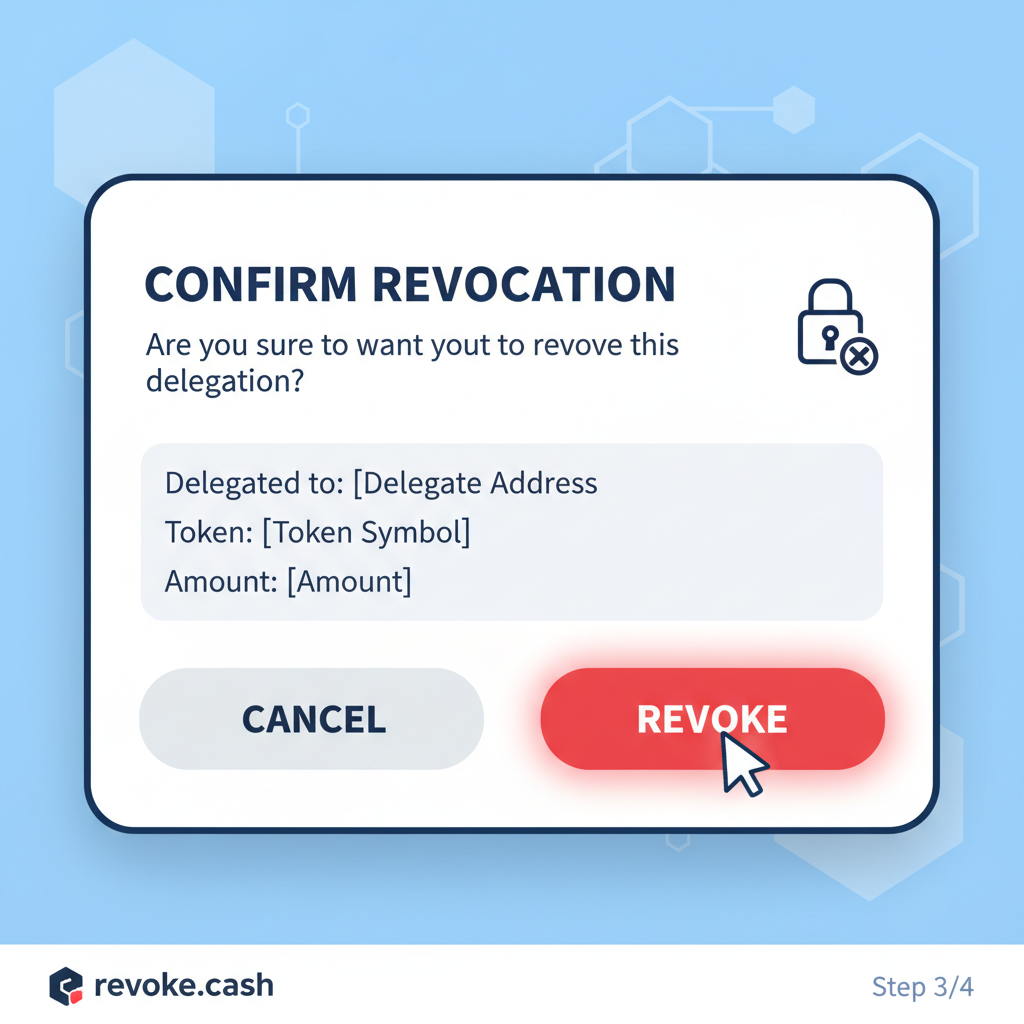
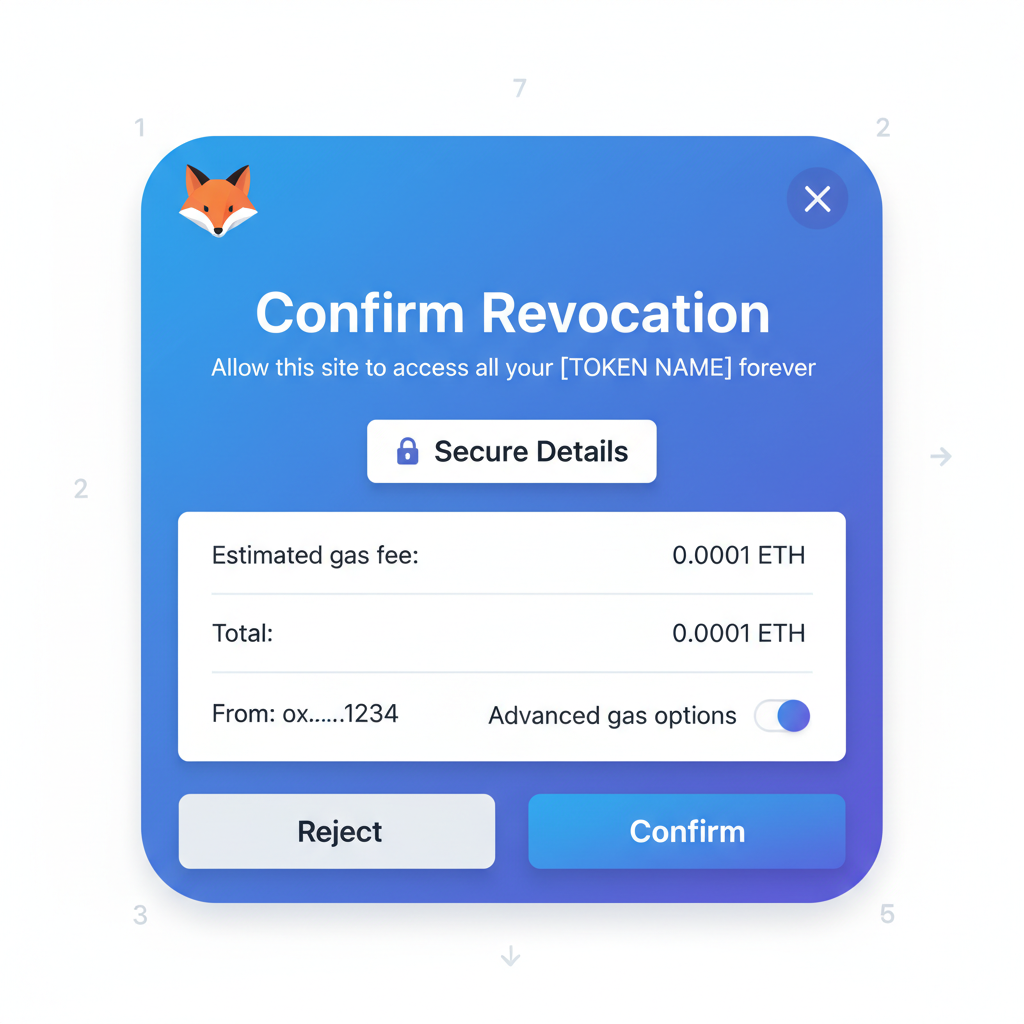
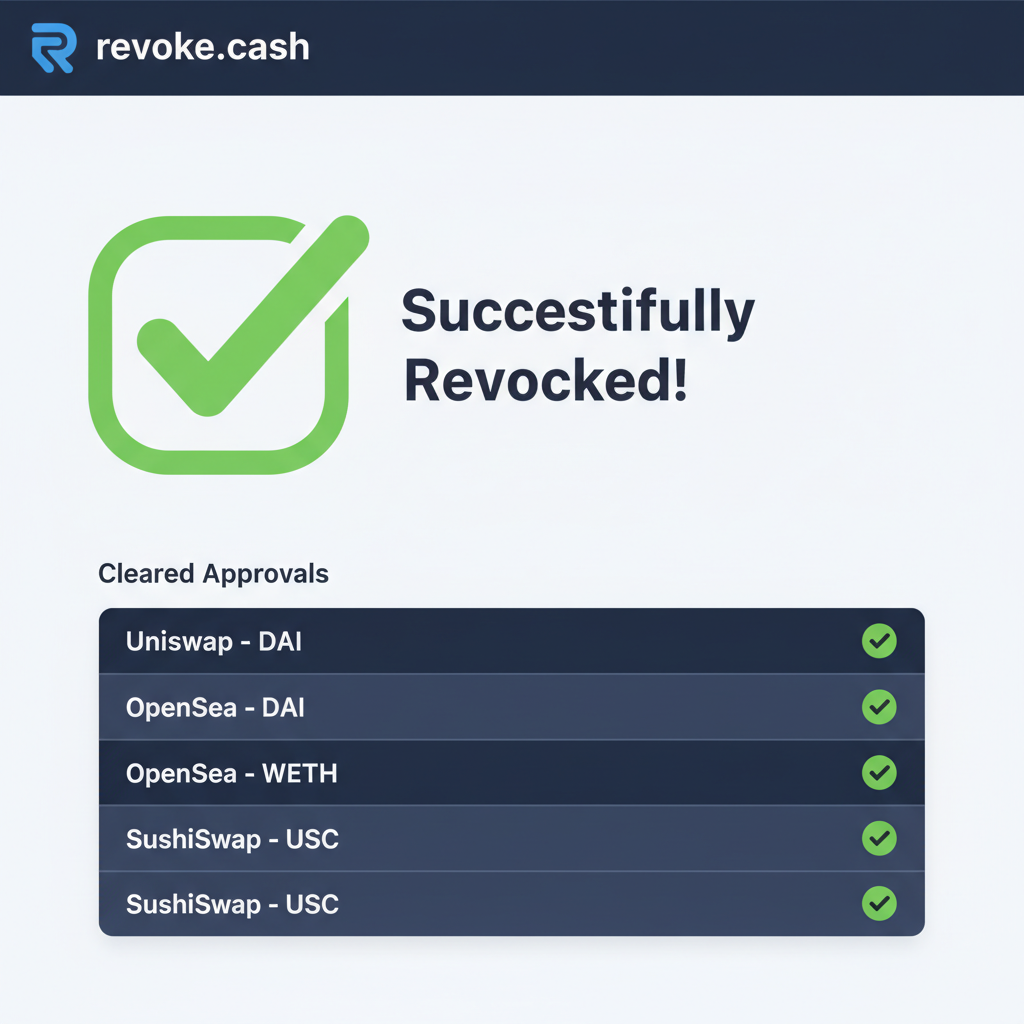
Delegations under EIP-7702 let users temporarily upgrade their accounts, granting dapps flexible permissions without full custody loss. Yet, scammers exploit this via fake sites mimicking legit dapps, tricking signatures for atomic drains. MetaMask counters by restricting UI delegations to its contracts only, shunning arbitrary payloads. Developers should lean on ERC-5792 for batching, but for true resilience, embed auto-revoke EIP-7702 logic. Revoke. Delegate, born at EthGlobal ’24, exemplifies automation: it revokes approvals mid-exploit, a conservative bulwark in chaotic markets.
Dissecting Delegation Mechanics and Revocation Pathways
At core, a delegation binds an EOA to a smart contract code for transaction execution. Owners retain control, revoking via another tx that disables it; redemption attempts then revert. MetaMask’s docs detail this: navigate to Account Details, toggle off “Enable Smart Contract Account. ” Simpler still, Portfolio dapp lists allowances for one-click revocations. But for dapps, passive monitoring falls short; proactive auto-revoke prevents exploits before damage.

eip-7702 : giving power of smart contract to EOA
after jill getting hacked due to approval, so I was checking which wallet or platform support batch revocation in single transaction.
I did not find, in the name of batch revocation, all they are revoking

Consider Alice delegating batch approvals to your dapp. Post-session, her EOA should auto-disable unless renewed. MetaMask’s Delegation Framework on GitHub offers EIP-7702 contracts with upgrade mechanisms tuned for this. Security-first: always timestamp delegations with expiry, query chain for active ones, and trigger revokes on anomaly detection like unusual tx patterns.
Integrating MetaMask smart delegation starts with the Delegation Toolkit, enabling shareable permissions for actions like swaps or NFT mints. Yet, my 16 years in commodities underscore: efficiency without stability invites ruin. Script dapps to poll user delegations via EIP-7702 events, auto-submitting disable txs after inactivity thresholds. Pair with off-chain indexers for real-time checks, minimizing gas while maximizing safety. Revoke. cash integrates neatly, as shown in community videos; extend this to dapp dashboards. Users see active delegations, revoke en masse. For institutional flows, enforce session-based revokes: on logout, broadcast disable calldata. This wallet EIP-7702 UX fix reassures users, fostering adoption. Test rigorously with Foundry cheatcodes per QuickNode guides, simulating phishing vectors to harden your stack. MetaMask’s safeguards limit exposure, but dapps must layer on. Implement nonce checks in delegated code to thwart replays. Use merkle proofs for batched revokes, slashing costs. Monitor for batch approval scams; Reddit threads highlight atomic multi-approvals draining wallets post-delegation. Opinion: rush EIP-7702 without auto-revoke, and you court obsolescence. Instead, build conservatively: default to short-lived delegations, auto-expire at 24 hours, with user overrides. In practice, query the delegation slot post-tx. If active beyond scope, invoke the disable function. This methodical cadence, rooted in bond market prudence, turns EIP-7702 from risk to edge. As ETH holds $2,238.32 amid swings, such tooling positions dapps for institutional trust.Building Auto-Revoke into Dapp Workflows Seamlessly
Security Layers Beyond Basic Revocation
About the Author