
Ethereum’s Pectra upgrade in May 2025 rolled out EIP-7702, handing externally owned accounts (EOAs) the ability to delegate execution to smart contracts. This means gas sponsorship, transaction batching, and smart wallet perks without ditching your address. Sounds ideal for EIP-7702 wallet migration, right? Yet, updated 2026 data paints a stark picture: over 80% of delegations link to wallet-draining bots. Users authorizing these unwittingly hand keys to thieves. As someone who’s guided wallet teams through risk-adjusted upgrades, I see EIP-7702 delegation checker tools as non-negotiable for secure transitions to account abstraction.

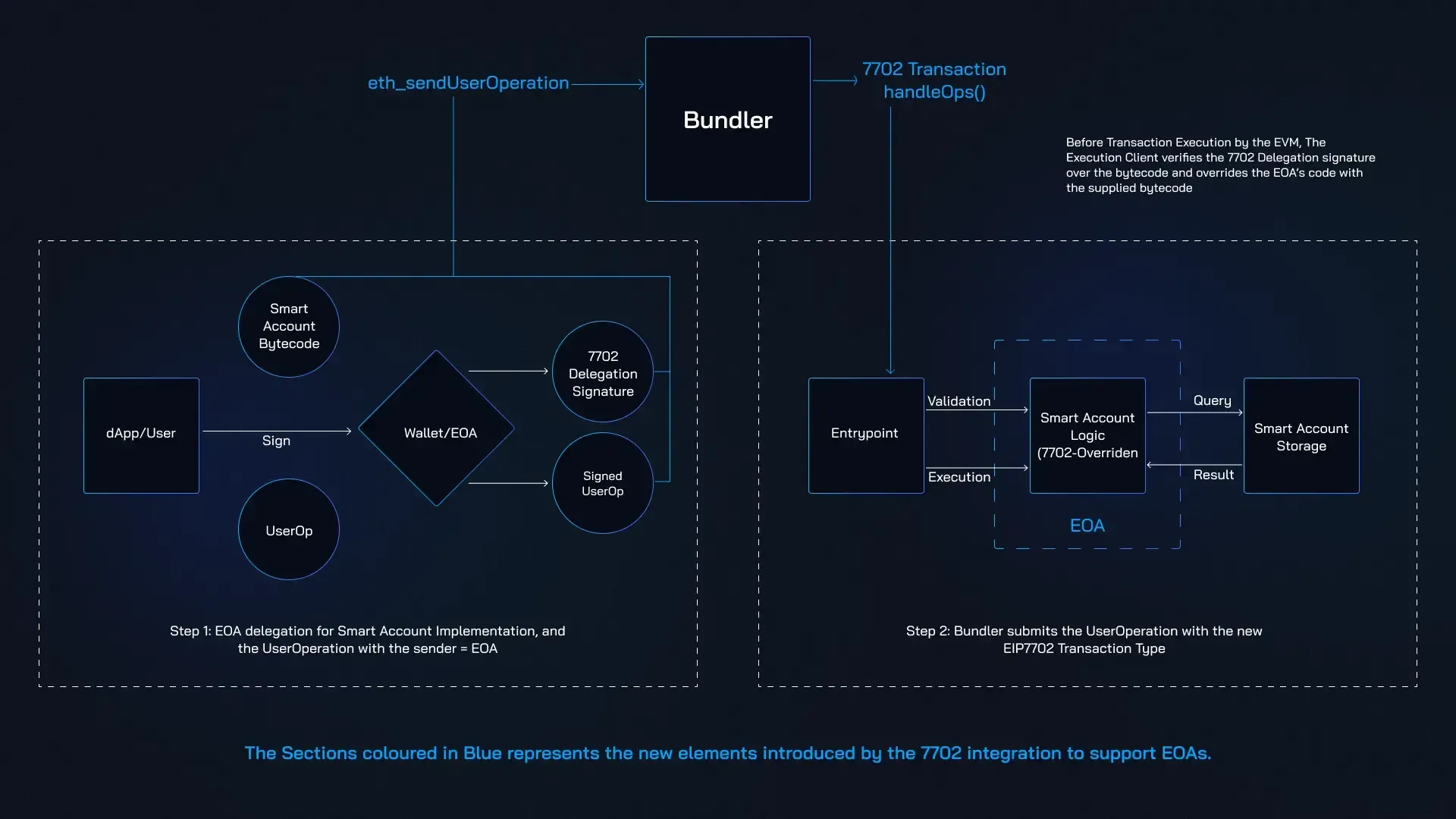
These tools scan for unauthorized delegates across EVM chains, flagging risks before they drain funds. In a landscape where visibility lags features, they bridge the gap. Think of the Sepolia hijacking tales; empty wallets despite balances. Proactive checks turn potential disasters into managed upgrades.
EIP-7702 Unlocks Account Abstraction but Demands Vigilance
At its core, EIP-7702 adds a new transaction type letting EOAs set temporary code via delegation. No more clunky smart account migrations; existing wallets gain batching and sponsorships seamlessly. Developers love it for dapps, wallets for user retention. But delegation creates blind spots. Malicious contracts pose as legit, luring approvals during airdrops or tests.
Reports from Relay. link and Curvegrid highlight this: users delegate, then watch funds vanish. The Ethereum delegation visibility problem stems from opaque storage. Without introspection helpers, you can’t easily query if a delegate lurks. That’s where specialized tools shine, offering runtime checks and multi-chain scans tailored for secure EIP-7702 migration 2026.
Transient delegates demand runtime checks; ignore them at your peril.
Malicious Delegations: Real Risks in Wallet Upgrades
Picture this: you bridge testnet tokens, approve a delegation, and poof, mainnet holdings evaporate. CoinsBench detailed such EOA hijacks on Sepolia. Post-Pectra, bots exploit the novelty, with 80% delegations malicious per recent audits. Wallet providers scrambling for EIP-7702 account abstraction tools face user backlash without safeguards.

Pragmatically, delegation isn’t evil; it’s powerful when vetted. But Ethereum’s speed outpaces user education. Tools providing EIP-7702 delegation checker functionality let you verify delegates against known bad actors, revoke safely, and monitor in real-time. For migrations, they ensure clean slates before enabling features.
Top tools address this head-on. Revoke. cash EIP-7702 Delegation Checker leads with simple scans and revocations, integrating batch approvals from its core token permission model. WalletBeat EIP-7702 Adoption Tracker and amp; Verifier tracks wallet support while verifying personal delegations, ideal for providers eyeing compatibility.
Top 6 EIP-7702 Checker Tools
-
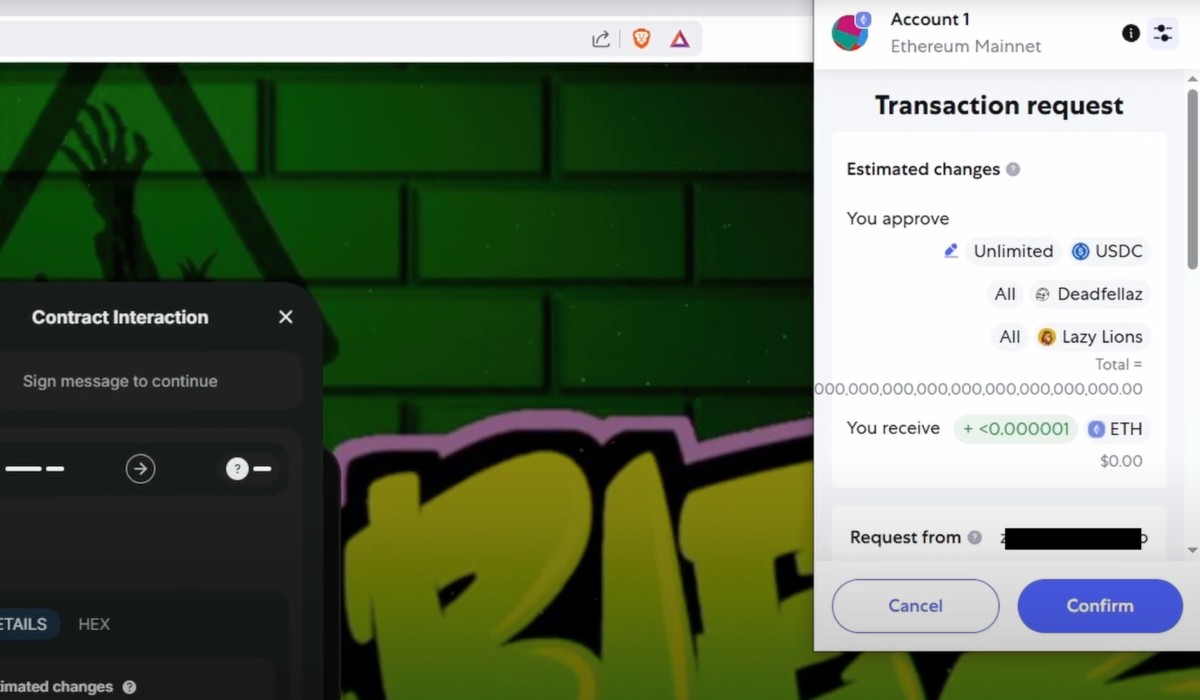
Revoke.cash EIP-7702 Delegation Checker: Scans for and revokes unauthorized EIP-7702 delegations on EOAs across EVM chains, preventing wallet drains. Ideal for quick security audits. Visit Revoke.cash
-
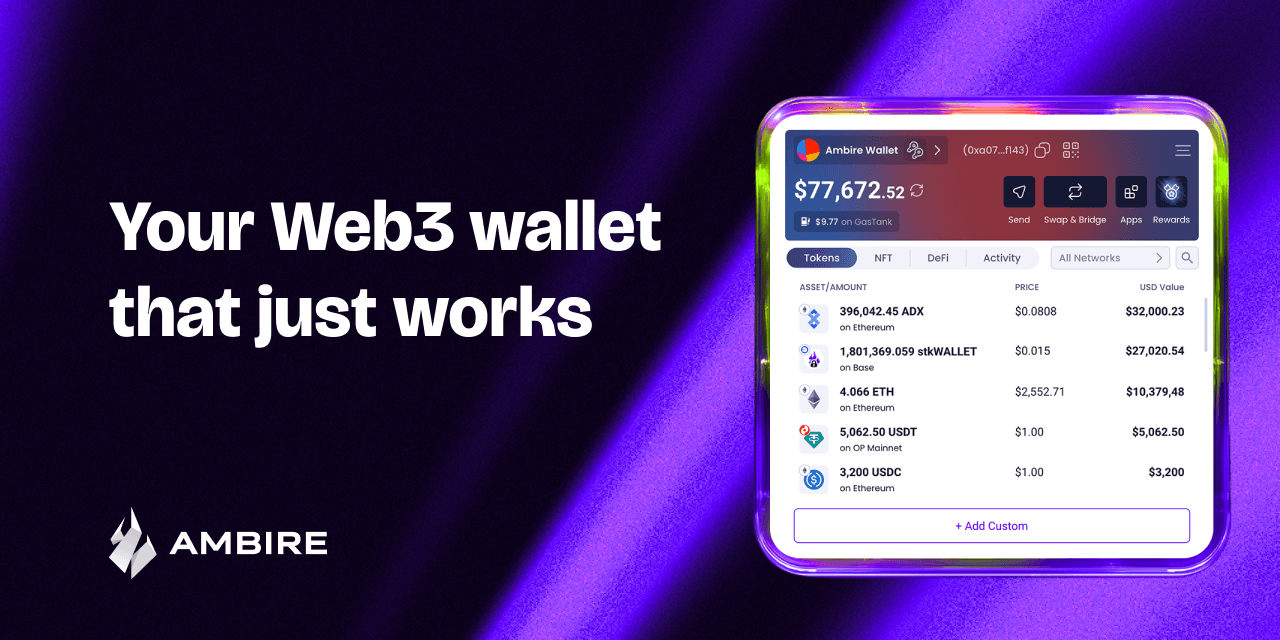
WalletBeat EIP-7702 Adoption Tracker & Verifier: Tracks wallet support for EIP-7702 and verifies active delegations. Monitors adoption trends and flags risks during migrations. Visit WalletBeat
-
Relay.link Malicious Delegation Scanner: Detects malicious EIP-7702 delegations linked to draining bots. Provides safety guides and chain-wide scans for EOAs. Visit Relay.link
-

Etherscan EIP-7702 Authorization Explorer: Views EIP-7702 transaction authorizations and delegation codes directly on Etherscan. Essential for on-chain verification. Visit Etherscan
-
Curvegrid Delegation Visibility Dashboard: Offers comprehensive visibility into EIP-7702 delegations for wallet upgrades. Highlights risks in account abstraction. Visit Curvegrid
-

7702Migration Delegation Verifier SDK: Open-source SDK for developers to integrate delegation checks in migration tools. Supports batch verification and EVM compatibility.
Top Delegation Checkers for Seamless Wallet Migrations
Diving into the arsenal, Relay. link Malicious Delegation Scanner stands out for its bot-focused alerts, born from support trenches. It flags high-risk delegates pre-approval, cross-referencing chain data. Etherscan EIP-7702 Authorization Explorer leverages blockchain explorers’ trust, adding delegation tabs to address pages for instant insights.
Curvegrid Delegation Visibility Dashboard offers dashboards for devs, solving the visibility woes they documented early. Custom views track delegations across chains, perfect for dapp builders in EIP-7702 wallet migration. Rounding out, our 7702Migration Delegation Verifier SDK equips wallets with embeddable checks, SDKs for programmatic verification during upgrades.
These aren’t gimmicks; they’re battle-tested for 2026’s realities. Each handles multi-chain EVMs, from Ethereum to L2s, ensuring comprehensive coverage.
Choosing among these demands matching tools to your role. Individual users gravitate toward user-friendly scanners like Revoke. cash, which scans wallets in seconds and revokes shady delegates with one click. Its evolution from token approvals makes it intuitive, covering Ethereum and L2s without setup hassles. For wallet providers plotting EIP-7702 wallet migration, WalletBeat’s tracker doubles as a verifier, mapping adoption rates alongside personal checks. It pulls live data on 50 and wallets, letting teams benchmark compatibility while auditing user delegations.
Hands-On Protection: Verifying Delegations Before Migration
Relay. link’s scanner excels in proactive defense, alerting on malicious patterns from its support database. Enter your address, and it cross-checks against known drains, scoring risk levels. Etherscan’s explorer integrates seamlessly into daily workflows; just append your EOA to its delegation view for transaction histories and delegate codes. No app needed, pure blockchain transparency for Ethereum delegation visibility.
Curvegrid’s dashboard caters to developers, with customizable panels graphing delegation trends across chains. Export data for reports, integrate via API for dapps. Finally, the 7702Migration Delegation Verifier SDK stands out for builders: embed it in wallets for runtime checks during upgrades. Our SDK, at 7702migration. com, offers TypeScript hooks for Ethers. js, verifying delegates pre-transaction without gas waste.
These tools collectively tackle the 80% malicious delegation stat head-on. Revoke. cash handles revocations; WalletBeat informs strategy; Relay. link prevents; Etherscan educates; Curvegrid visualizes; our SDK automates. In migrations, run full scans first: clear legacies, then delegate safely to trusted contracts like ERC-1967 proxies.
| Tool | Key Strength | Best For | Multi-Chain |
|---|---|---|---|
| Revoke. cash Checker | One-click revoke | Users | Yes |
| WalletBeat Tracker | Adoption and verify | Providers | Yes |
| Relay. link Scanner | Malicious alerts | Prevention | Yes |
| Etherscan Explorer | Tx history | Transparency | Yes |
| Curvegrid Dashboard | Custom graphs | Devs | Yes |
| 7702Migration SDK | Embeddable API | Integration | Yes |
Real-world application proves their worth. A wallet team I advised used WalletBeat and our SDK to audit 10,000 users pre-Pectra, revoking 15% risky delegates via Relay. link flags. Losses averted, migration smooth. Users mimicking this via Revoke. cash and Etherscan dodge Sepolia-style hijacks.
Pragmatism rules here: delegation amplifies Ethereum’s power, but unchecked it’s a liability. Prioritize tools with runtime introspection, like those using EIP-7702’s transient nature for non-persistent checks. Avoid static lists; dynamic scanning against evolving bots keeps you ahead.
Delegate wisely; verify relentlessly. Your EOA’s future depends on it.
For dapp builders, Curvegrid pairs well with Ethers. js guides for sending verified 7702 txs. Wallet providers, lean on WalletBeat for roadmaps, embedding our SDK for user trust. Individuals, daily Etherscan peeks plus Revoke. cash sweeps suffice. In 2026’s secure EIP-7702 migration 2026 landscape, these form your stack.
Over-reliance on one tool misses angles; rotate them. Start with broad scans (Relay. link), drill down (Etherscan), act (Revoke. cash), and automate (SDK). This layered approach mirrors diversification in portfolios: spread risk, capture upsides. As Ethereum evolves, so must your vigilance, ensuring account abstraction benefits all without the drains.

eip-7702 : giving power of smart contract to EOA
after jill getting hacked due to approval, so I was checking which wallet or platform support batch revocation in single transaction.
I did not find, in the name of batch revocation, all they are revoking

Head to 7702migration. com for SDK downloads, guides, and our full suite. Upgrade confidently, delegate securely, thrive in Web3’s next phase.
About the Author