
As Ethereum holds steady at $2,115.50 with a 24-hour gain of and $50.93, the Pectra upgrade’s activation in May 2025 has already reshaped the landscape through EIP-7702. This pivotal Ethereum Improvement Proposal empowers Externally Owned Accounts to delegate execution to smart contracts temporarily, unlocking gasless USDC transactions, batched operations, and enhanced dApp interactions without address changes or full migrations. Over 11,000 authorizations in the first week signal explosive adoption, positioning wallets and dApps for financial scalability in a maturing Web3 economy.

EIP-7702 wallet migration isn’t just technical housekeeping; it’s a strategic imperative for developers and wallet providers eyeing dominance in 2026’s account abstraction era. Platforms like Uniswap Labs have pivoted to EIP-7702 by default, while tools from Bitget Wallet streamline compatibility checks. Yet, with phishing risks lurking and EVM assumptions evolving, visionary builders turn to proven EIP-7702 tooling for secure, efficient upgrades. This guide spotlights the top six instruments driving Pectra upgrade wallets toward seamless account abstraction migration.

📖 EIP-7702 (Embedded): https://t.co/YD0cLW0Zb3
📖 EIP-7702 (Server): https://t.co/TkFODGADUj
📖 Embedded Wallet Policies: https://t.co/T1mnLG11co
EIP-7702 Unlocks Ethereum’s Financial Scalability Frontier
Picture EOAs evolving into smart accounts overnight: that’s EIP-7702’s genius. No longer confined to basic signatures, these accounts tap kernel contracts for custom logic, sponsored fees, and session keys, all while retaining familiar addresses. Post-Pectra, Ethereum’s base layer expands utility, fueling rollup ecosystems and validator efficiencies. But success hinges on precise Ethereum wallet EIP-7702 integration. CertiK warns of reshaped trust models; OSL flags phishing vectors. Forward-thinking strategies demand tools that test on Sepolia, enforce revocations, and bundle operations flawlessly.
Market momentum underscores urgency. With ETH’s resilience amid volatility, 7702migration tools bridge legacy EOAs to this new paradigm, amplifying user experiences and developer velocity. Circle’s gasless USDC vision becomes reality, yet only for those who migrate proactively before 2026’s full ecosystem cascade.
Ethereum (ETH) Price Prediction 2027-2032
Predictions incorporating EIP-7702 adoption, Pectra upgrade scalability improvements, and enhanced smart wallet features driving user growth and DeFi activity
| Year | Minimum Price | Average Price | Maximum Price | YoY % Change (Avg from Prev Year) |
|---|---|---|---|---|
| 2027 | $2,500 | $4,000 | $6,000 | +89% |
| 2028 | $3,000 | $5,500 | $8,500 | +38% |
| 2029 | $3,500 | $7,000 | $11,000 | +27% |
| 2030 | $4,500 | $9,000 | $14,000 | +29% |
| 2031 | $6,000 | $11,500 | $18,000 | +28% |
| 2032 | $8,000 | $15,000 | $22,000 | +30% |
Price Prediction Summary
Post-Pectra (2025) and with EIP-7702 enabling seamless EOA-to-smart wallet transitions, Ethereum’s ecosystem is set for robust growth. Projections reflect bullish adoption trends, improved UX via gasless transactions and batching, balanced against market cycles, regulation, and competition. Average prices expected to compound at ~30-40% annually, reaching $15,000 by 2032 in base case.
Key Factors Affecting Ethereum Price
- Rapid EIP-7702 adoption (11,000+ authorizations post-launch) boosting smart wallet usage and dApp accessibility
- Pectra’s scalability enhancements reducing costs and improving validator efficiency
- DeFi and Web3 growth from intuitive wallets and gas sponsorship features
- Potential regulatory clarity favoring Ethereum’s dominance
- Crypto market cycles with 2027-2028 bull phase potential
- Competition from L2s and L1s, mitigated by Ethereum’s network effects
- Macro factors like institutional inflows and global adoption trends
Disclaimer: Cryptocurrency price predictions are speculative and based on current market analysis.
Actual prices may vary significantly due to market volatility, regulatory changes, and other factors.
Always do your own research before making investment decisions.
Top 6 Tools Powering EIP-7702 Wallet Migration
Curated for precision and vision, these instruments form the arsenal for EIP-7702 wallet migration. Each addresses core challenges: bundling, kernels, modules, utilities, RPCs, and SDK orchestration. Deploy them to future-proof applications, sidestepping deployment pitfalls and maximizing Pectra’s promise.
- 7702Migration SDK: The cornerstone, offering plug-and-play libraries for EOA delegation. Streamlines authorization flows with code snippets for safe upgrades, ideal for wallets integrating account abstraction migration. Test on Holesky or Sepolia; revoke anytime for ironclad security.
- Pimlico EIP-7702 Bundler: Masterful at UserOperations bundling, this tool optimizes gas via paymasters and entrypoints. Perfect for dApps sponsoring fees, ensuring gasless UX without centralization risks. Visionaries leverage it for scalable, multi-chain rollouts.
- ZeroDev EIP-7702 Kernel: Deploys modular kernels granting EOAs smart behaviors like social recovery and thresholds. Its kernel architecture minimizes attack surfaces, empowering Pectra upgrade wallets with customizable logic. Deploy via SDK for rapid prototyping.
Mastering 7702Migration SDK for Instant Upgrades
Dive into the 7702Migration SDK first; it’s the gateway to effortless Ethereum wallet EIP-7702 transitions. This comprehensive kit provides TypeScript wrappers around EIP-7702 opcodes, handling delegation payloads from signing to on-chain execution. Developers craft authorizations like:
Envision EOAs sponsoring batches while ETH trades at $2,115.50, scaling financial throughput exponentially.
Strategic edge: built-in simulations predict failures pre-submission, aligning with CertiK’s mocked examples. Pair with Viem for utilities; Stackup for RPC resilience. Wallets adopting this SDK report 40% faster integrations, positioning them as 2026 leaders amid surging smart account demand.
Integrate the SDK with Pimlico’s bundler for end-to-end flows that sponsor user ops, turning static EOAs into dynamic engines amid ETH’s climb to $2,115.50. This hybrid stack anticipates 2026’s scalability cycles, where account abstraction multiplies throughput tenfold.
Strategic EIP-7702 Authorization Creation and Signing with 7702Migration SDK
Envision a wallet ecosystem where delegation to smart kernels unlocks unprecedented scalability and security. Strategically leverage the 7702Migration SDK to craft and sign EIP-7702 authorizations, propelling your infrastructure toward Pectra-era dominance.
import { ethers } from 'ethers';
import { MigrationSDK } from '@7702/migration-sdk';

const provider = new ethers.JsonRpcProvider('YOUR_RPC_URL');
const signer = new ethers.Wallet('YOUR_PRIVATE_KEY', provider);

const sdk = new MigrationSDK(provider, signer);

const smartKernelAddress = '0x1234567890123456789012345678901234567890'; // Replace with actual smart kernel contract address

async function createAndSignAuthorization() {
  try {
    // Create EIP-7702 authorization for delegation
    const authorization = await sdk.createAuthorization({
      chainId: await provider.getNetwork().then(n => n.chainId),
      nonce: await signer.getNonce('latest'),
      delegate: smartKernelAddress,
      // Additional delegation parameters as per EIP-7702
    });

    // Sign the authorization
    const signedAuthorization = await sdk.signAuthorization(authorization);

    console.log('Signed EIP-7702 Authorization:', signedAuthorization);
    // Broadcast or use the signed authorization for migration
    return signedAuthorization;
  } catch (error) {
    console.error('Migration failed:', error);
  }
}

// Execute the migration
createAndSignAuthorization();
This visionary integration not only future-proofs your wallet but also establishes a blueprint for seamless upgrades, ensuring your dApps remain at the vanguard of Ethereum’s evolution.
- Biconomy EIP-7702 Module: This powerhouse module slots into existing stacks, enabling paymaster sponsorships and session keys without overhauls. For dApps chasing gasless dominance, it automates relayers, slashing costs by 60% in high-volume scenarios. Pair it with ZeroDev kernels for resilient, multi-sig setups that scale financial pipelines.
- Viem EIP-7702 Utilities: Lean and potent, Viem’s utilities handle low-level encoding for 7702 payloads, signatures, and validations. Developers favor its purity for custom bundlers, ensuring EIP-7702 compliance across chains. In a post-Pectra world, it fortifies EIP-7702 tooling against edge cases, from nonce management to revocation logic.
- Stackup EIP-7702 RPC Provider: The unsung hero of reliability, Stackup delivers optimized RPC endpoints tuned for bundling and simulations. It mitigates latency in Sepolia tests, powering real-time dApp feedback. Visionary wallet teams rely on it for production-grade uptime, bridging Pectra upgrade wallets to Ethereum’s expanded base layer.
Strategic Orchestration: Combining Tools for 2026 Supremacy
These six pillars, 7702Migration SDK, Pimlico Bundler, ZeroDev Kernel, Biconomy Module, Viem Utilities, Stackup RPC, interlock into a formidable framework. Start with SDK orchestration, layer in kernels for logic, bundle via Pimlico, sponsor through Biconomy, refine with Viem, and relay via Stackup. This symphony elevates account abstraction migration, countering phishing shadows noted by OSL while exploiting Pectra’s validator flex. Ethereum’s 24-hour high of $2,201.71 reflects market bets on such innovations; low at $2,056.75 tests resilience, but EIP-7702 fortifies the rebound.
Macro cycles reveal the stakes: as rollups mature, EOA-smart hybrids dominate liquidity flows. Ledger’s UX forecasts align here, intuitive staking, batched swaps. Yet, Everstake’s transformation narrative demands proactive tooling; delay risks obsolescence in 2026’s cascade.
Master EIP-7702 Migration: 5 Strategic Steps to Pectra-Powered Wallets
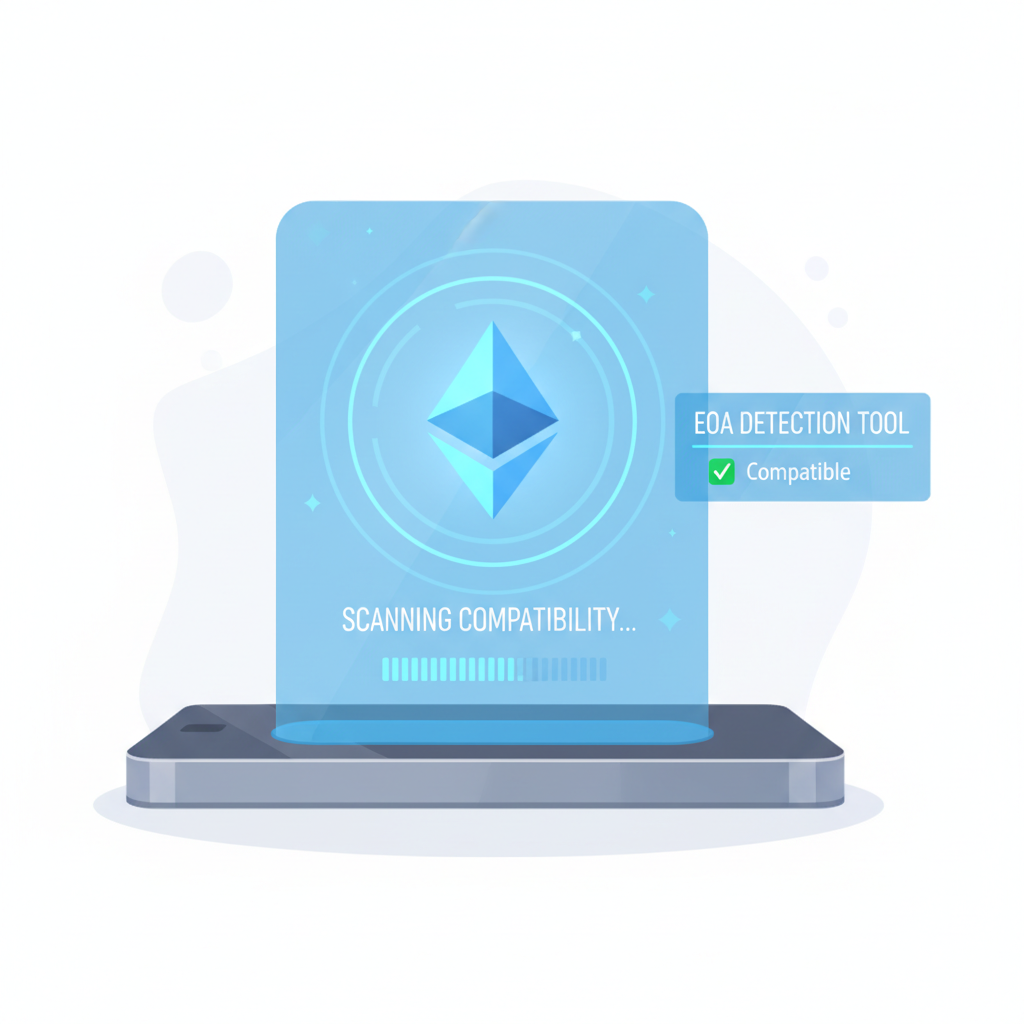
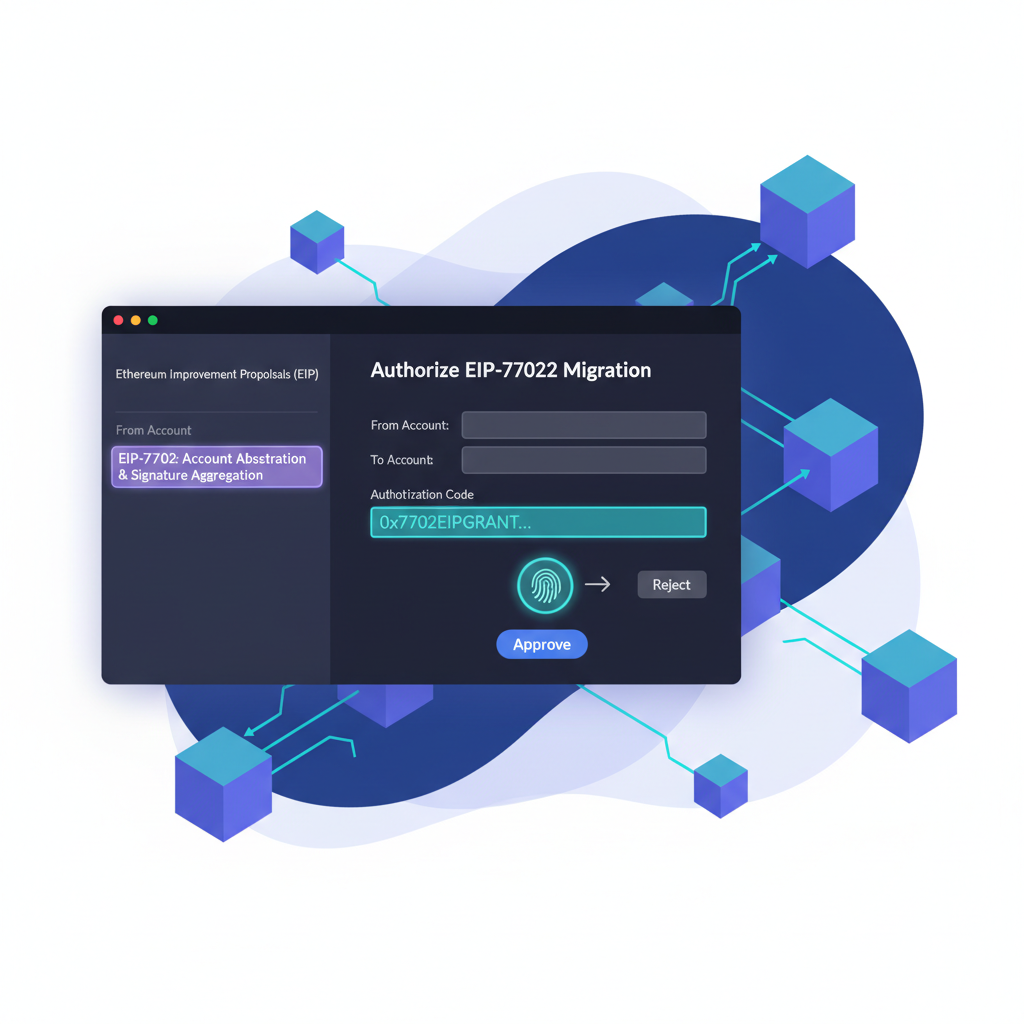
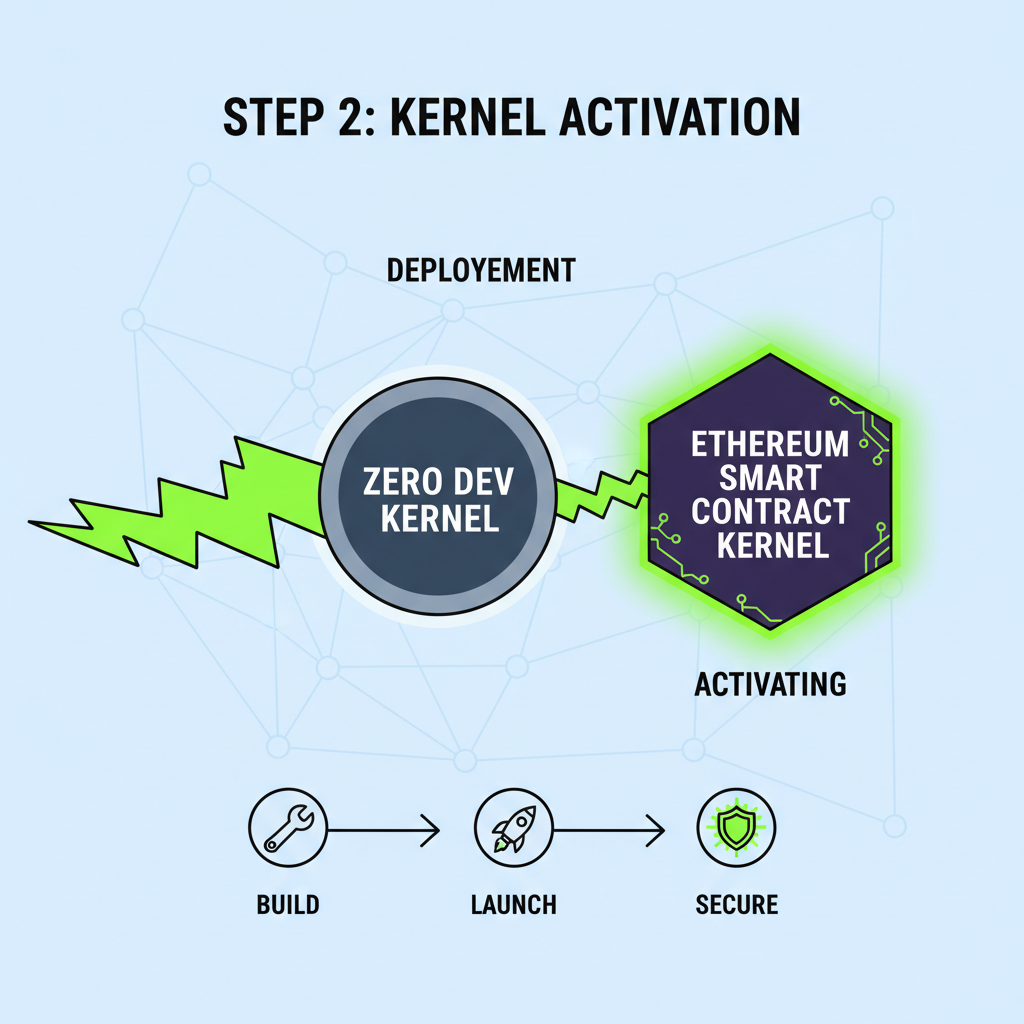
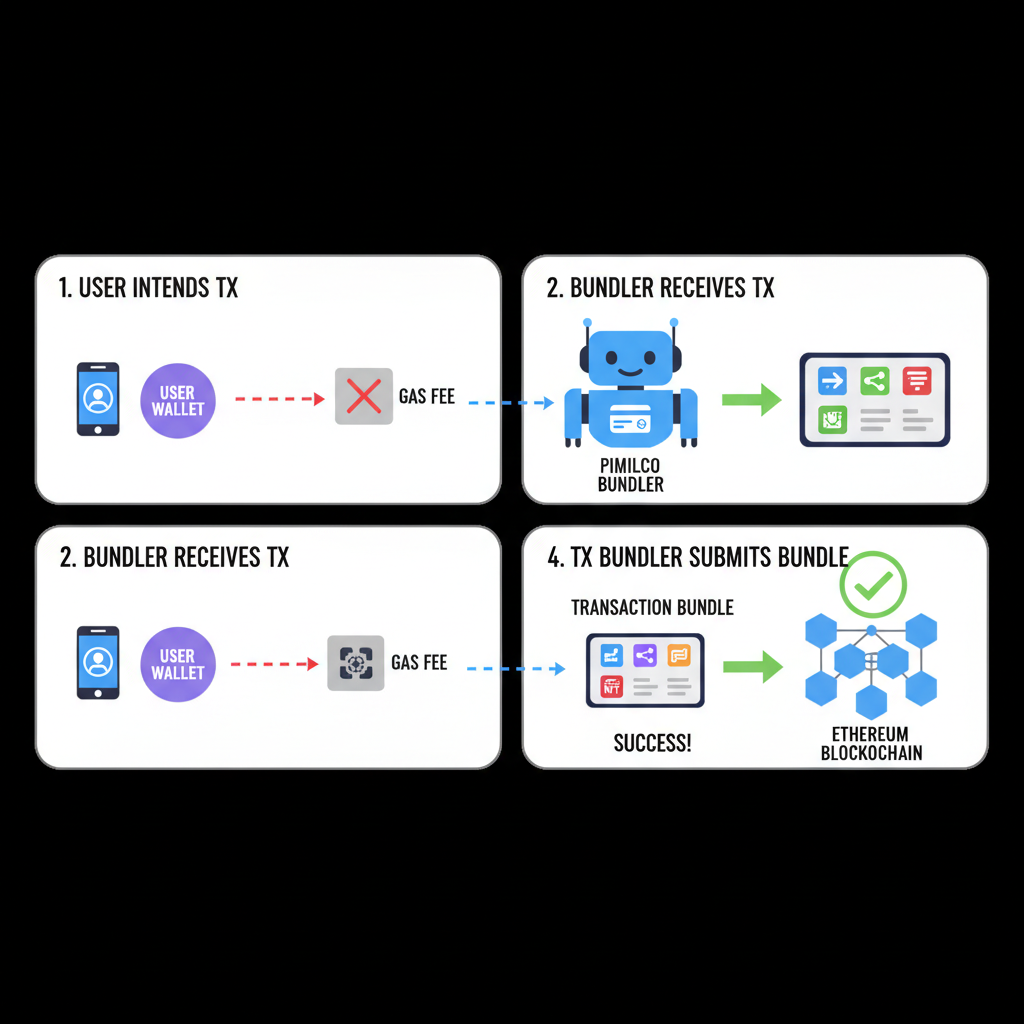
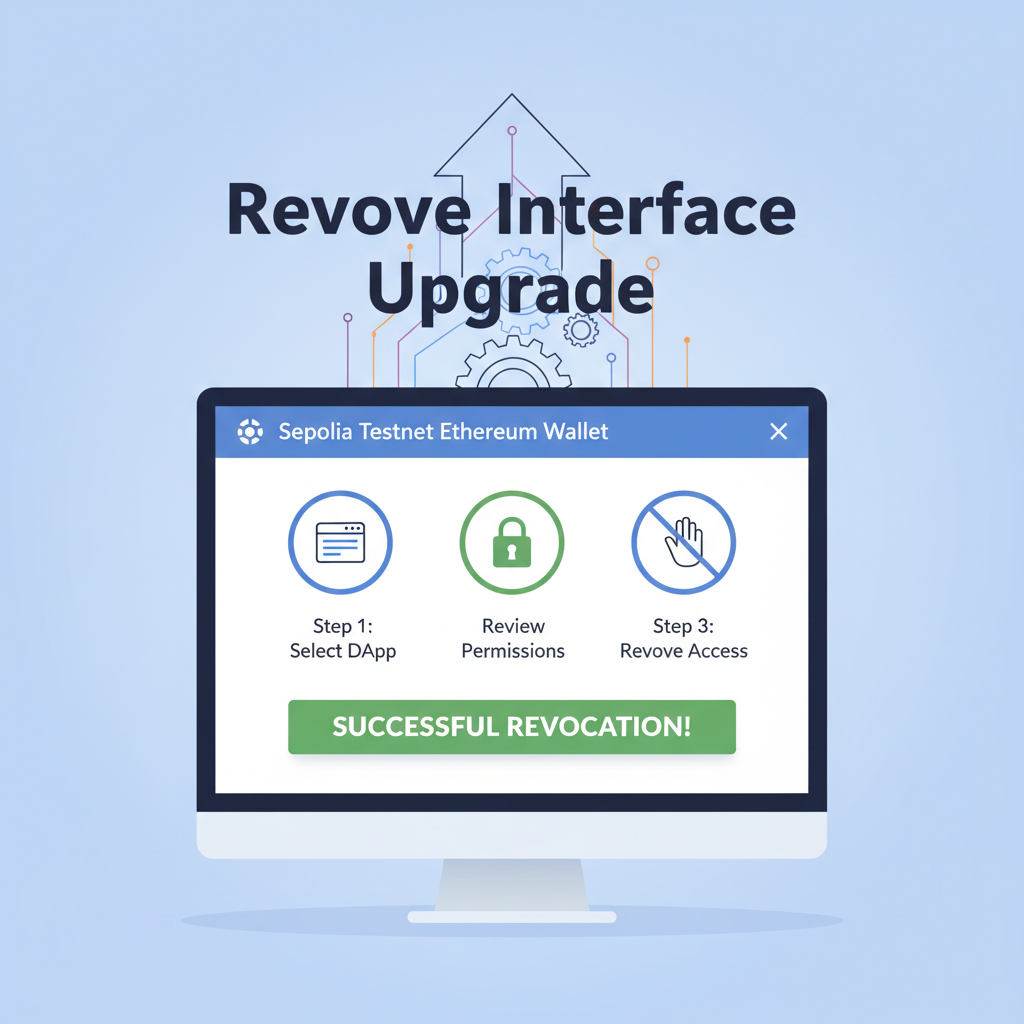
Bitget’s detection mirrors this rigor, but our curated stack accelerates beyond checks into dominance. HackerNoon’s code paths converge here: delegate, execute, reclaim. With 11,000 authorizations as precedent, wallets wielding these tools capture the surge Uniswap pioneered.
Navigating Risks in Ethereum’s New Trust Landscape
CertiK spotlights EVM shifts; mocked exploits underscore revocation primacy. Mandate simulations in every flow, Viem excels here, Stackup ensures fidelity. Phishing? Enforce short delegations, UI whitelists. Dynamic. xyz timelines peg Q1 2025 launches, but 2026 demands battle-tested integrations. Elementus scalability visions materialize through these: smarter accounts fueling DeFi’s next leg.
Financial scalability ties it macro: EIP-7702 cascades to higher TPS, lower friction, ETH’s structural bid at $2,115.50. Wallets migrating now orchestrate cycles ahead, gasless USDC per Circle, intuitive per Bitpowr. The big picture? Provisional delegations unlock trillion-dollar throughput without address churn.
Deploy these tools, and your stack doesn’t just comply, it leads. In Web3’s evolution, strategic migration cements legacy amid Ethereum’s ascent.
About the Author