
As Ethereum trades at $2,146.47, down 2.22% over the past 24 hours, the network’s Pectra hardfork legacy from May 2025 continues to reshape wallet strategies. EIP-7702 stands out as a pivotal upgrade, allowing Externally Owned Accounts to delegate execution to smart contracts temporarily. This means users gain smart account perks like gasless transactions and batching without abandoning familiar addresses. Yet, hasty migrations risk EIP-7702 access lockouts, where poor tooling leaves funds stranded. At 7702migration. com, we prioritize conservative paths to EIP-7702 wallet migration, ensuring institutional-grade security amid volatile markets.

EIP-7702’s Core Mechanics: Delegation Over Disruption
Zooming out, EIP-7702 addresses a long-standing Ethereum friction point. Traditional EOAs, controlled solely by private keys, lack the flexibility of smart contracts. Post-Pectra, users can issue a new transaction type that sets temporary code on their EOA, mimicking smart account behavior. This delegation reverts after execution, preserving the original state. Developers building wallets or dapps must grasp this: it’s not a full migration but a reversible enhancement.
Strategic adopters see the macro trend. With ETH hovering between $2,104.20 and $2,230.62 recently, stability demands future-proofing. EIP-7702 enables session keys for dapps, reducing user friction without custody risks. But implementation varies; client-side support lags in some tools, as noted in developer forums. Conservative wallet providers integrate via SDKs, testing across EVM chains to avoid chain-specific pitfalls.
Transactions as specialized tools, not one-size-fits-all, underscore EIP-7702’s nuanced design.
Navigating Access Lockout Risks in Ethereum Upgrades
EIP-7702 access lockouts emerge when delegation code malfunctions or revokes unexpectedly, trapping users from their own funds. Imagine batching transactions that fail silently, or a delegated contract draining approvals unintendedly. Security analyses label this a double-edged sword: powerful features invite exploits if tooling skimps on simulations.
Institutional investors like myself evaluate scalability here. Poor visibility into delegations across chains amplifies risks. Daily activity on delegation checkers signals demand for transparency, yet many wallets overlook multi-chain verification. The antidote? Prioritize transaction simulators and delegation auditors before any wallet EIP-7702 upgrade. With ETH at $2,146.47, one lockout could erase gains from a market rebound.
Key Tooling for Conservative EIP-7702 Wallet Migration
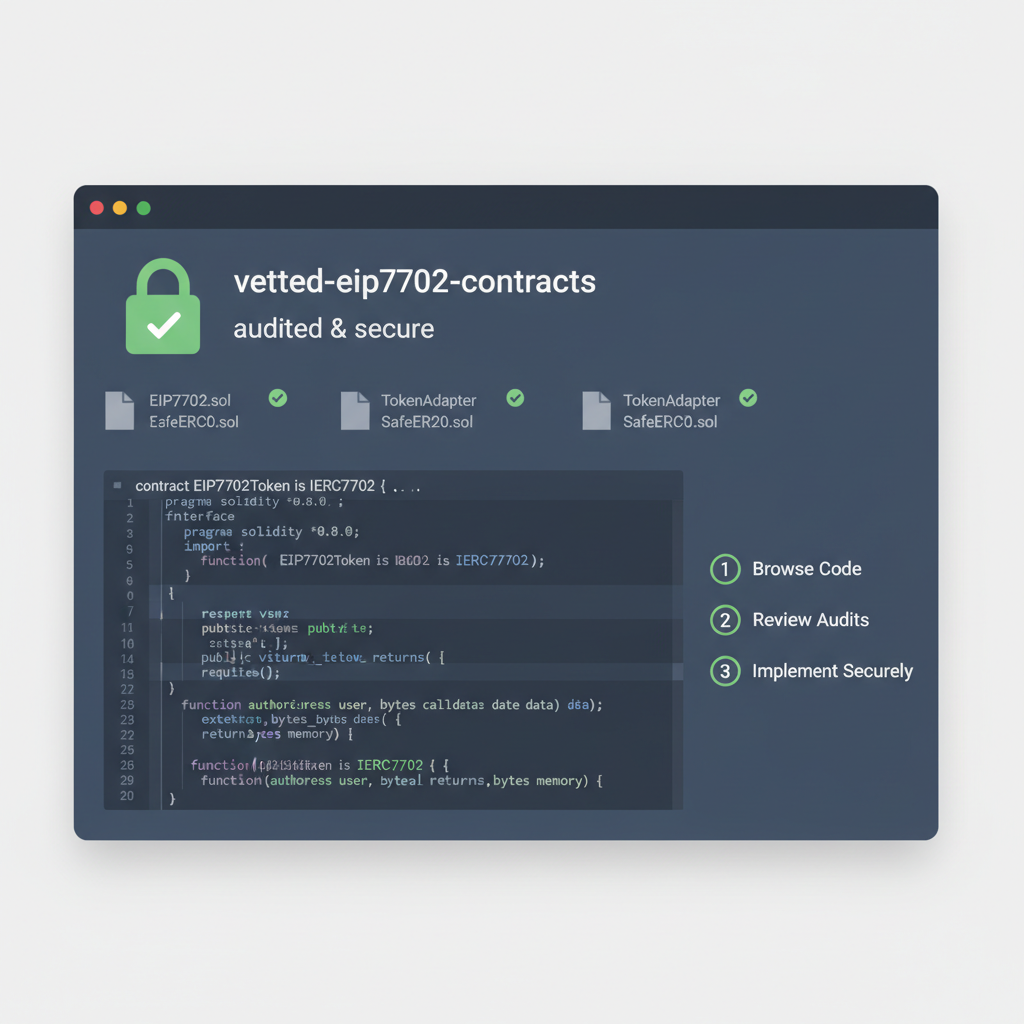
Effective Ethereum account abstraction tooling centers on vetted resources. Account Kit’s EIP-7702 integration streamlines EOA upgrades, embedding delegation logic seamlessly. Pair it with the EIP-7702 Delegation Checker App, an open-source tool scanning addresses across EVM chains for active delegations. This duo prevents lockouts by flagging anomalies pre-transaction.
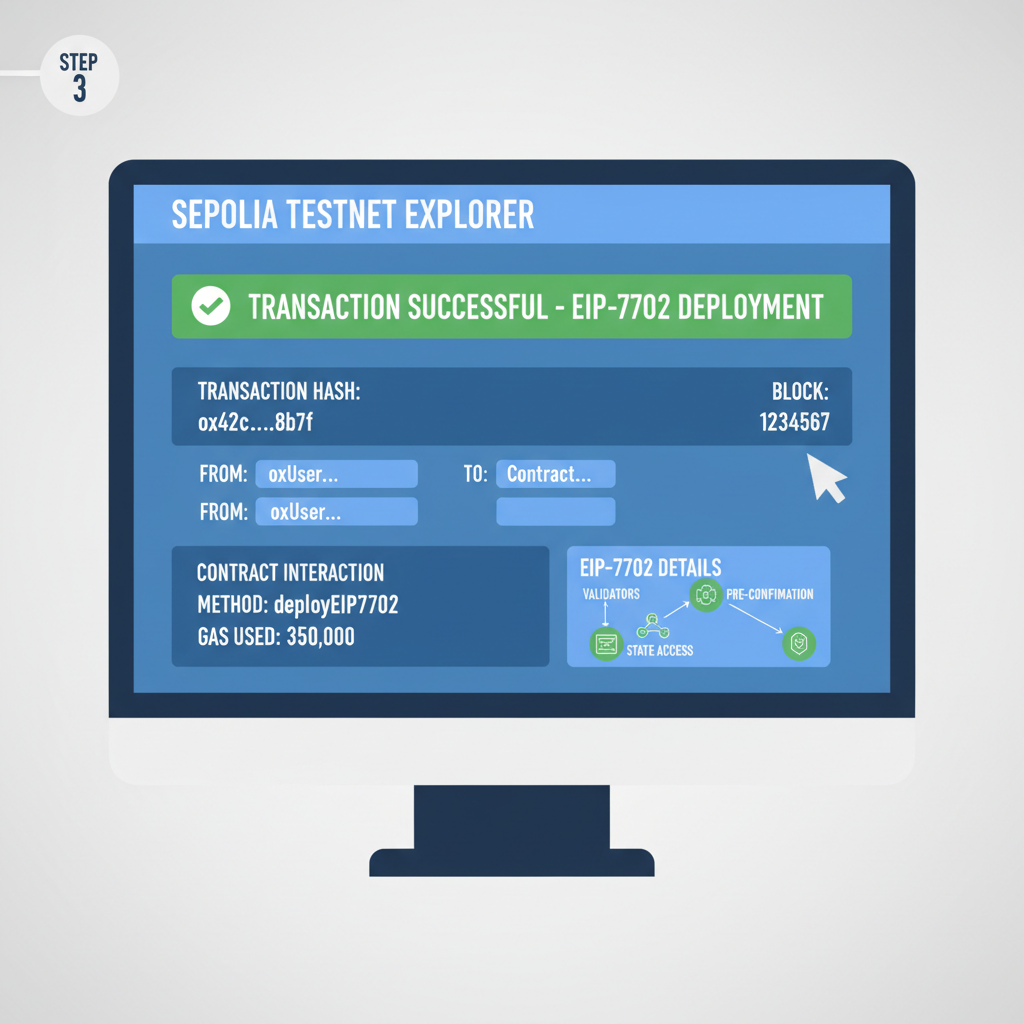
Noblocks Wallet Upgrade exemplifies user control, offering token withdrawals and key exports post-delegation. For dapp builders, curated lists like awesome-eip-7702 guide protocol tooling. Strategically, start with testnets; simulate Pectra behaviors to forecast mainnet outcomes. These steps align with sustainable growth, positioning wallets for DeFi’s institutional wave.
Conservative migration demands checklists: verify chain support, audit delegation code, and monitor revocations. As macro trends favor abstracted accounts, tooling gaps close slowly. Developers at 7702migration. com provide SDKs and guides, distilling complexity into actionable steps.
Ethereum (ETH) Price Prediction 2027-2032
Long-term outlook influenced by EIP-7702 adoption, account abstraction advancements, and Ethereum ecosystem growth post-Pectra upgrade
| Year | Minimum Price | Average Price | Maximum Price | YoY % Change (Avg) |
|---|---|---|---|---|
| 2027 | $1,800 | $3,200 | $5,000 | +49% |
| 2028 | $2,500 | $4,500 | $7,000 | +41% |
| 2029 | $3,200 | $6,000 | $9,500 | +33% |
| 2030 | $4,000 | $8,000 | $12,500 | +33% |
| 2031 | $5,200 | $10,500 | $15,000 | +31% |
| 2032 | $6,500 | $13,000 | $18,500 | +24% |
Price Prediction Summary
Ethereum’s price is projected to experience substantial growth from 2027 to 2032, with average prices climbing from $3,200 to $13,000—a 6x increase. This bullish trajectory accounts for EIP-7702-driven UX improvements, increased adoption, and scaling solutions, while minimums reflect bearish scenarios like regulatory hurdles, and maximums capture peak bull market potentials.
Key Factors Affecting Ethereum Price
- EIP-7702 and account abstraction enabling seamless EOA upgrades, gasless txs, and better security reducing access lockouts
- Ethereum Pectra upgrade momentum and L2 scaling enhancing throughput and adoption
- Regulatory developments providing clarity and institutional inflows via ETFs
- Market cycles with potential bull runs post-2026 consolidation
- Macroeconomic factors including interest rates and global economic recovery
- Competition from Solana/others balanced by Ethereum’s DeFi/NFT dominance and developer ecosystem
Disclaimer: Cryptocurrency price predictions are speculative and based on current market analysis.
Actual prices may vary significantly due to market volatility, regulatory changes, and other factors.
Always do your own research before making investment decisions.
Layering these tools builds resilience. Batched operations shine in high-gas environments, but only with robust safeguards. Next, we dissect step-by-step migration protocols to embed in your workflow.
Layering these tools builds resilience. Batched operations shine in high-gas environments, but only with robust safeguards. Next, we dissect step-by-step migration protocols to embed in your workflow.
Secure EIP-7702 Migration: Avoid Lockouts with Conservative Steps
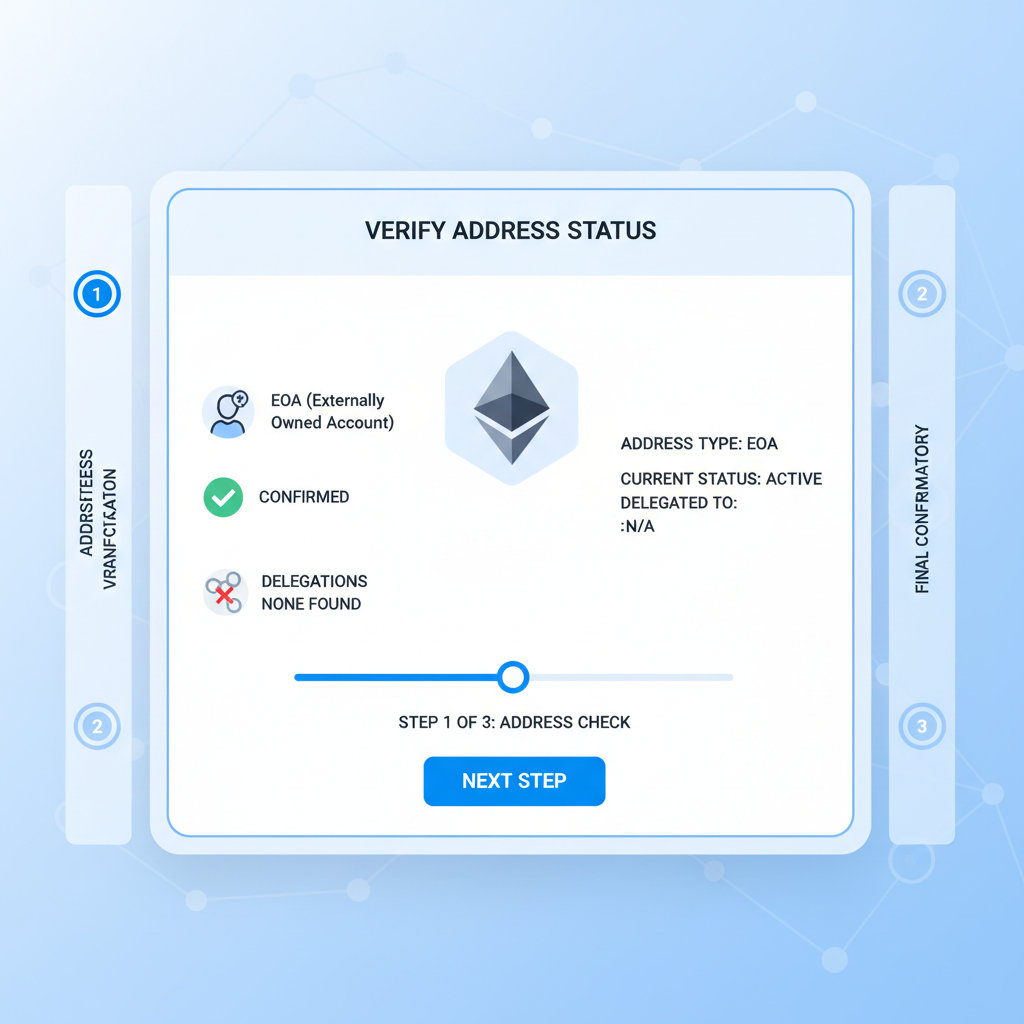
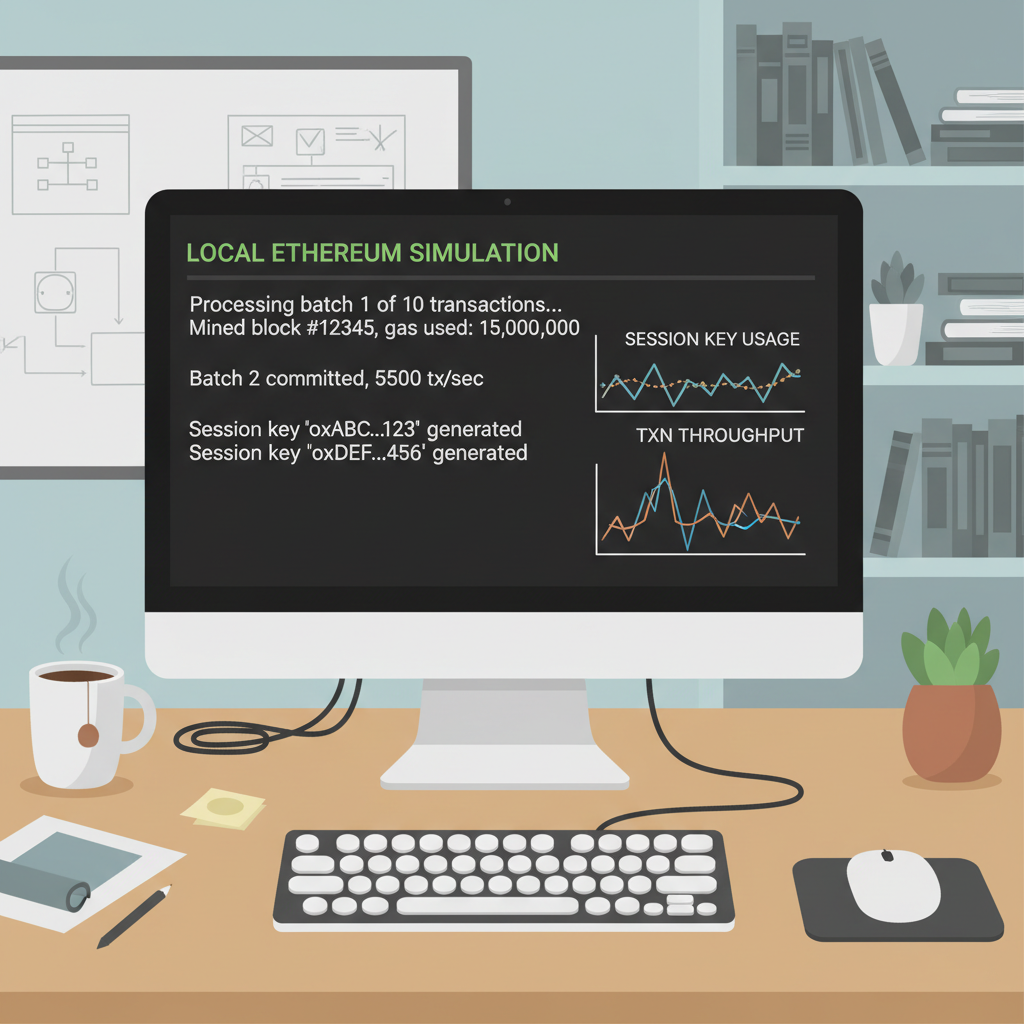
Post-simulation, integrate Account Kit for seamless SDK calls. This toolkit handles delegation payloads, ensuring EOAs revert cleanly. Noblocks adds export options, a nod to portability that institutions demand. With ETH at $2,146.47, down 2.22% in 24 hours, such precision guards against volatility-induced errors. Dapp builders extend this to frontends, embedding checkers before user prompts.
Visibility remains paramount. The Delegation Checker App scans chains like Ethereum mainnet and L2s, flagging active codes. Pair it with Blockscout’s Pectra tooling for explorer-level insights. These steps, iterated across updates, foster scalable DeFi participation without the migration churn of older abstractions.
Safeguards Against Delegation Pitfalls
Risks compound in multi-chain setups. A delegation on Arbitrum might conflict with Optimism code, revoking access unexpectedly. Transaction simulators counter this, previewing outcomes before gas spend. Verichains highlights their necessity; without them, EIP-7702 access lockouts mimic EOA freezes, eroding trust.
Developer forums echo tooling gaps. Client-side lags mean manual RPC calls for some wallets, prone to errors. Awesome-eip-7702 curates fixes, from standards to prototypes. Strategically, allocate resources to auditors who stress-test revocations under load. As Ethereum stabilizes post-dip, from $2,104.20 lows, these buffers position users for rebounds.
Institutions weigh this against yield opportunities. Smart accounts via EIP-7702 amplify DeFi composability, but only sans lockouts. Wallets like TokenPocket evolve, blending EOA familiarity with abstraction power.
Developer Realities: Tooling State and Future Outlook
Current tooling matures unevenly. Fireblocks labs aggregates resources, signaling enterprise readiness. Curvegrid’s app logs daily checks, proof of organic demand. Yet, Reddit threads question client support; not all nodes parse the new tx type flawlessly.
Conservative advice: benchmark against Pectra explorers. For dapps, wrap delegations in modular contracts, revocable per session. This modularity scales to institutional volumes, where ETH’s $2,146.47 price underscores opportunity costs of downtime. 7702migration. com distills SDKs here, with guides for wallets and protocols alike.
Zooming out, EIP-7702 cements Ethereum’s edge in abstracted accounts. It sidesteps full migrations, preserving addresses amid $2,230.62 highs and dips. Developers prioritizing simulations and checkers thrive; others face friction. Sustainable growth favors this tooling stack, empowering users through volatile cycles while eyeing macro adoption waves.
About the Author