
As Ethereum’s price holds steady at $2,163.62 amid a modest 24-hour gain of and $3.77, developers migrating wallets post-Pectra upgrade face a pressing reality: EIP-7702 delegations, while unlocking powerful account abstraction features like batching and gas sponsorship, can linger as hidden vulnerabilities. Introduced on April 21,2025, this standard lets EOAs temporarily hand execution to smart contracts, but improper handling risks drainers or persistent permissions. Revoking these delegations cleanly is non-negotiable for EIP-7702 wallet migration, ensuring assets stay secure during the shift to abstracted accounts.

Unpacking EIP-7702 Risks in Today’s Wallet Ecosystem
EIP-7702 empowers EOAs by setting temporary code via a Type 4 transaction, but as Revoke. cash notes, this functionality introduces risks like unauthorized access if delegations aren’t cleared. Reddit threads highlight cases of delegations pointing to drainer contracts, where tooling lags behind the hype. Rock’n’Block details how this alters transaction types, demanding wallet providers adapt for ethereum delegation revoke. Without revocation, your EOA remains tethered to potentially malicious code, even after migration attempts. GitHub’s awesome-eip-7702 repo underscores the need for standards-compliant tools, while tools like clean exits CLI from Block Magnates offer local signing to avoid key exposure.
Security isn’t abstract; phishing and reentrancy lurk, per ethereum. org. As a developer, I’ve seen portfolios erode from overlooked permissions. The antidote? A methodical revoke EIP-7702 delegation process, leveraging resources like 7702migration. com for SDKs tailored to wallets and dapps.
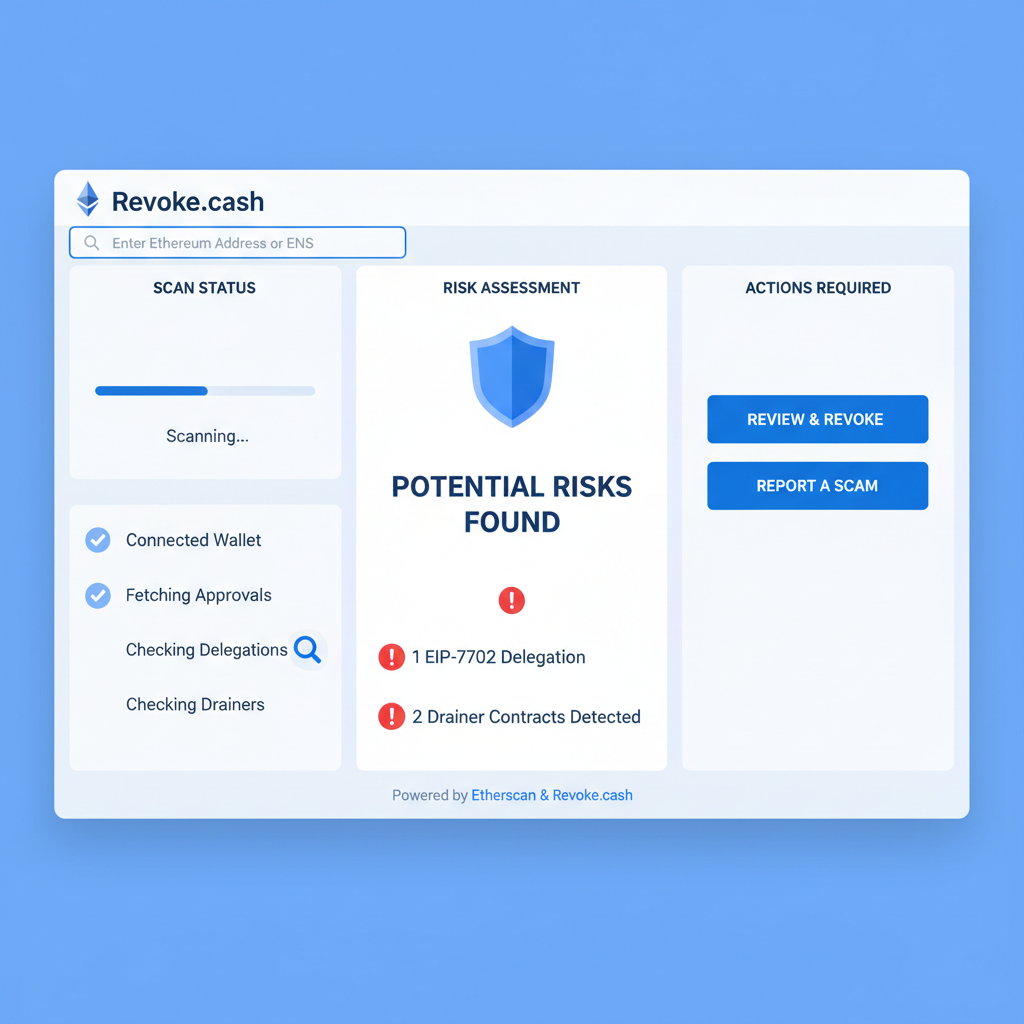
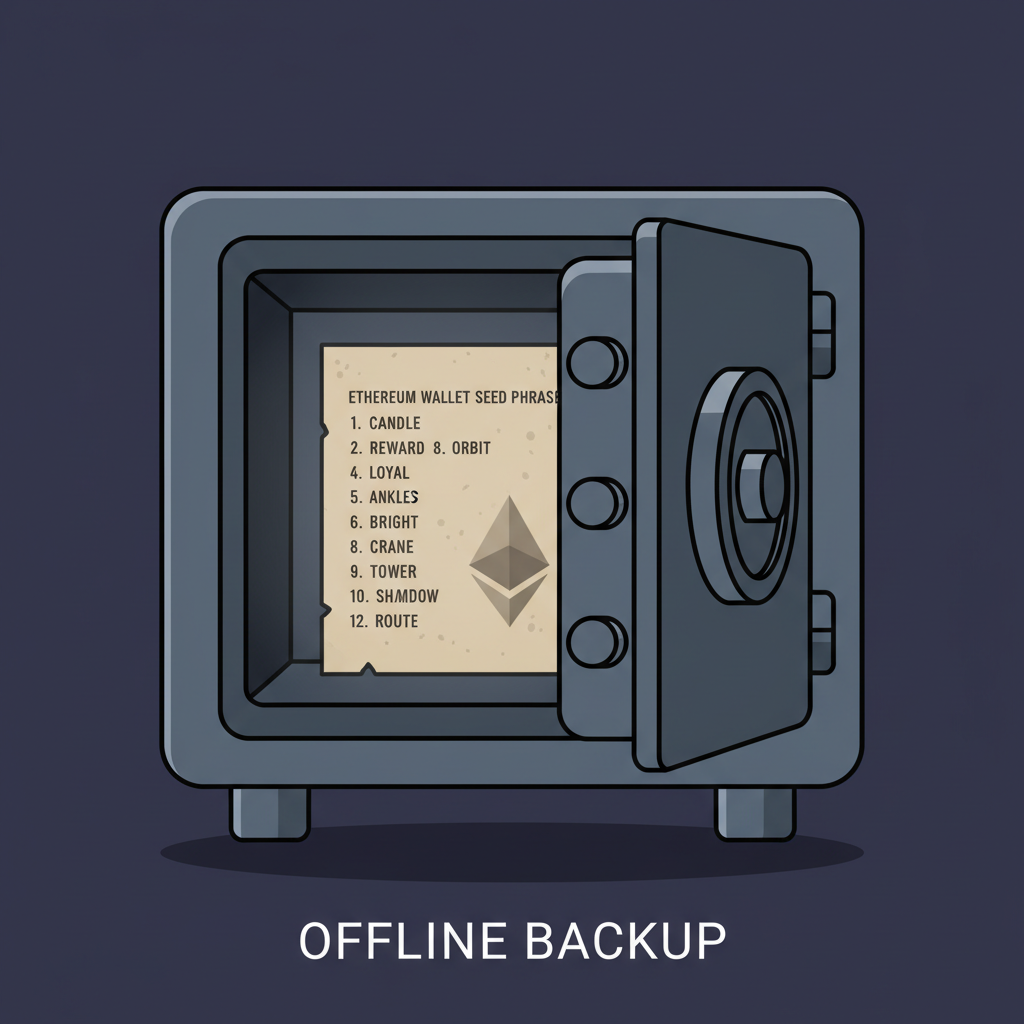
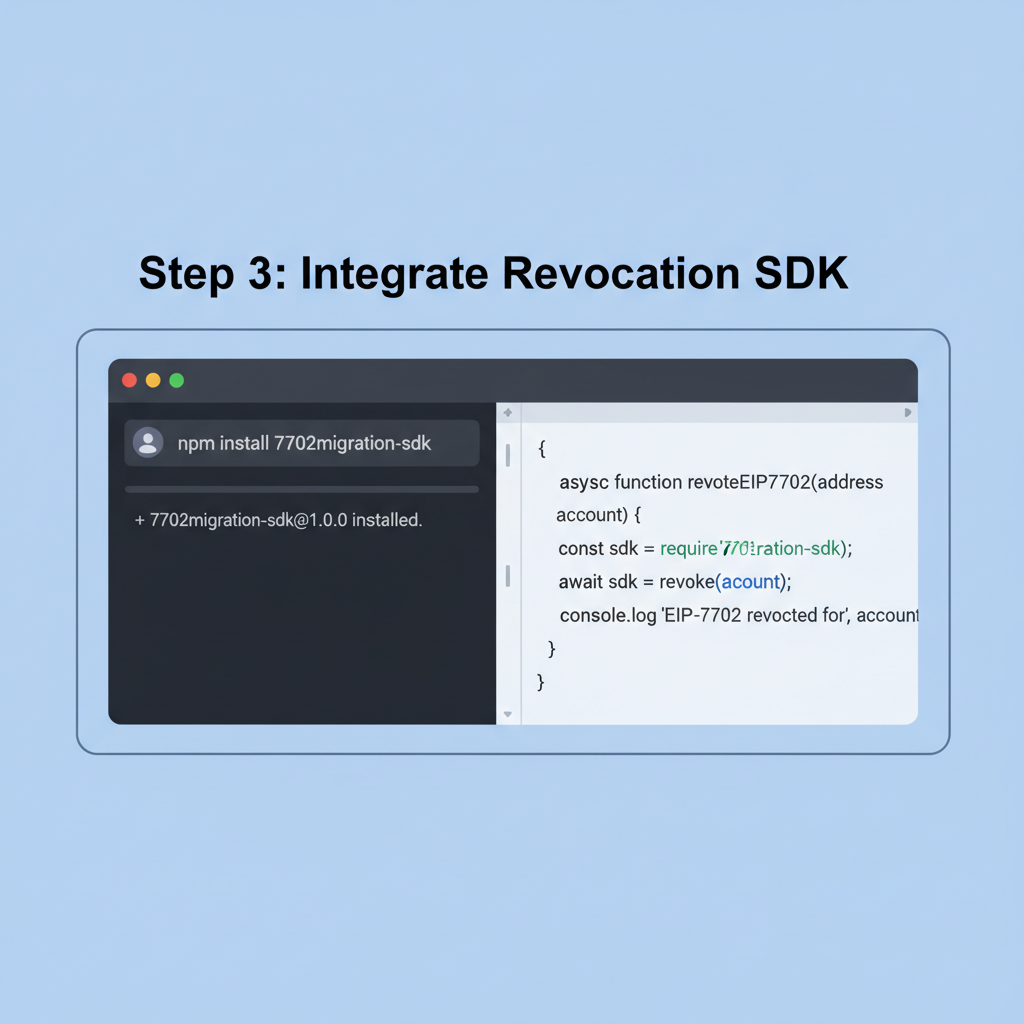
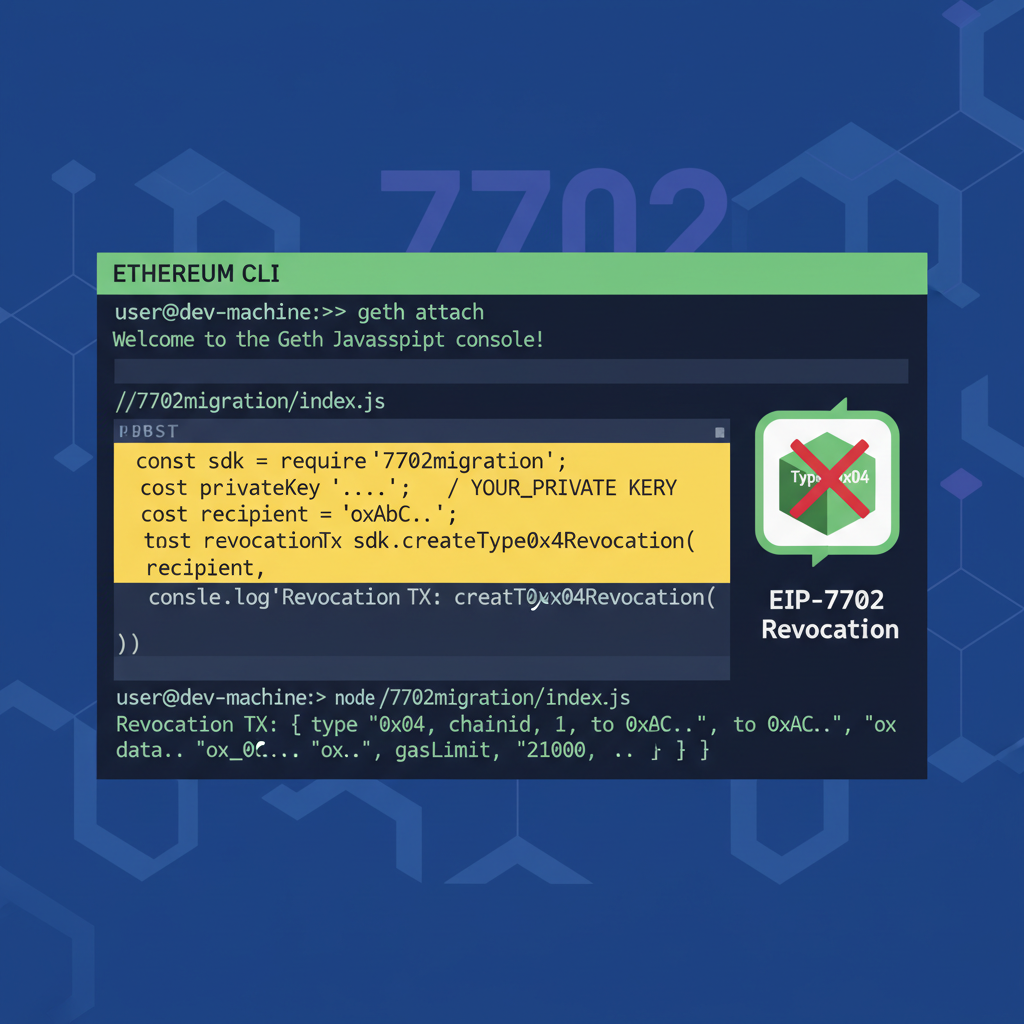
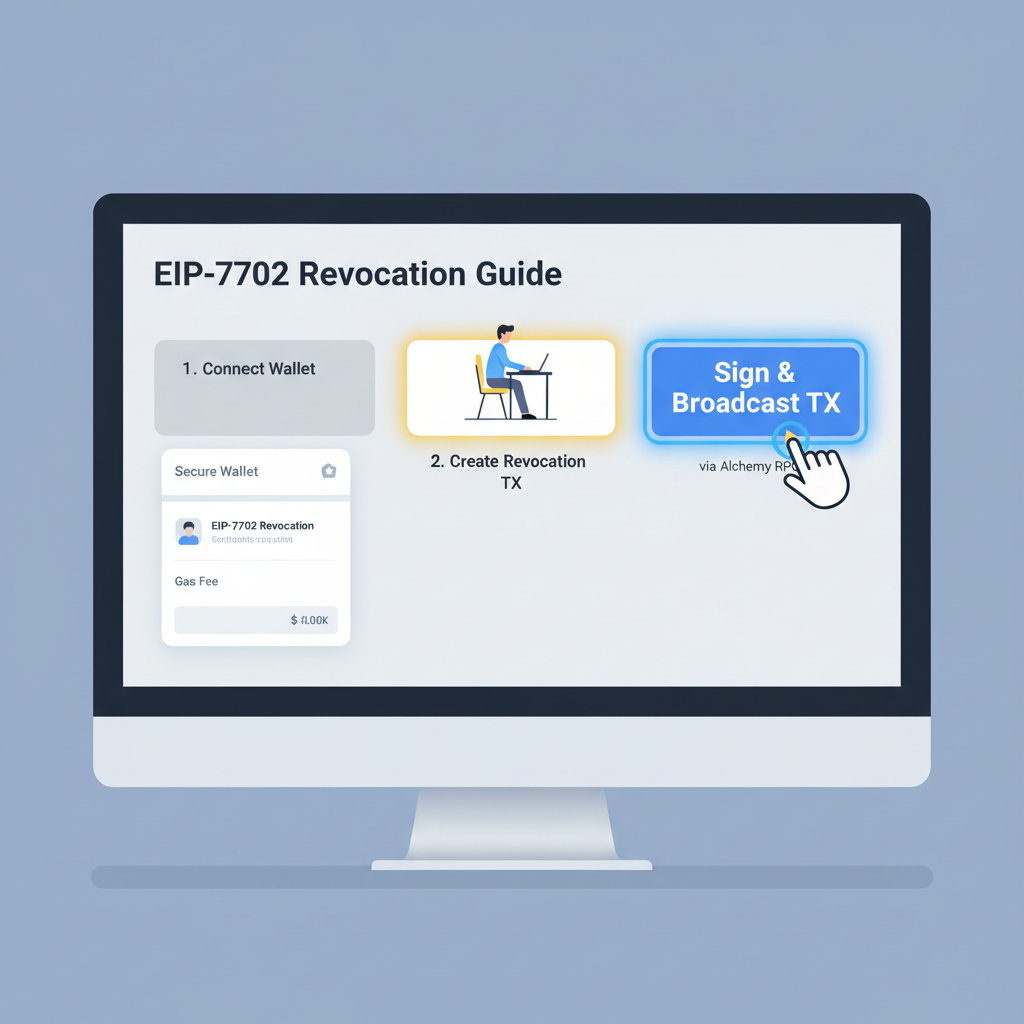
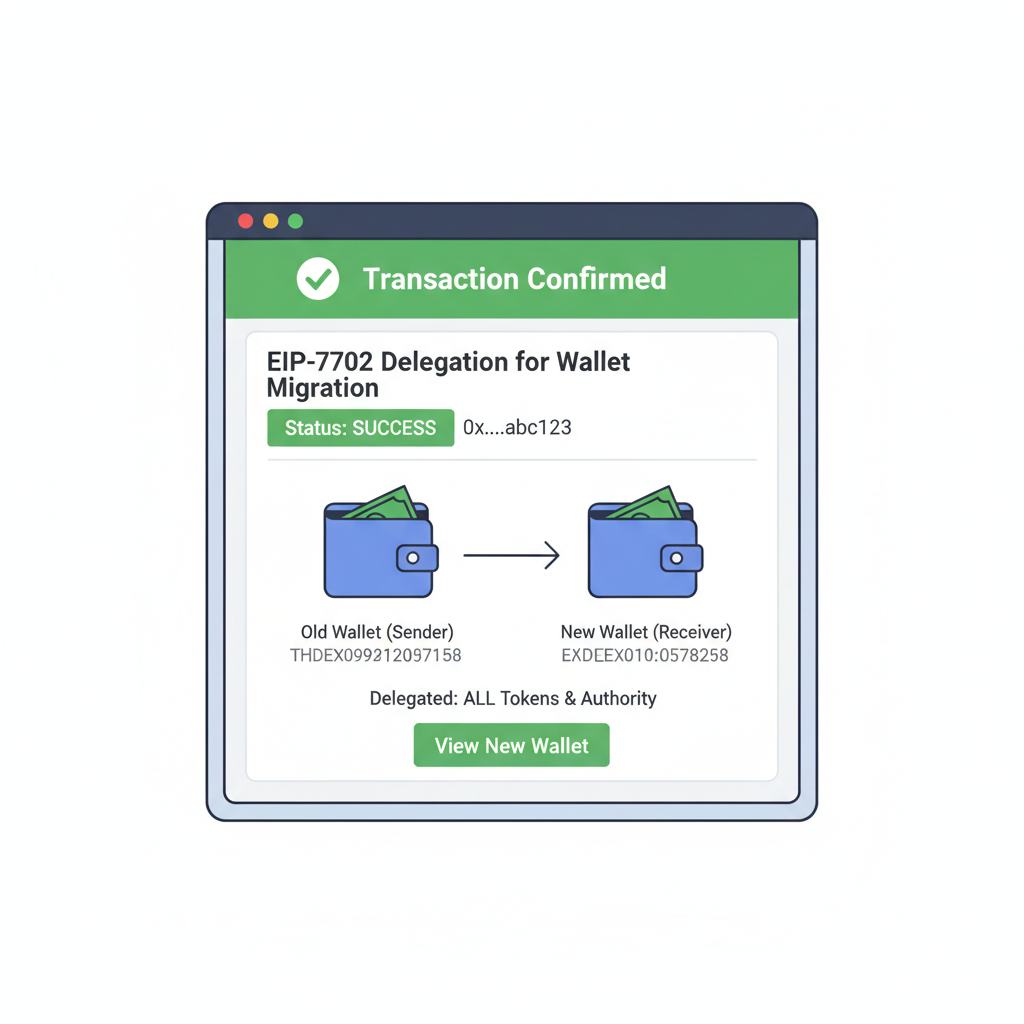
The path to secure migration hinges on six precise steps, starting with vigilance. First, 1. Verify Active EIP-7702 Delegations: Scan your wallet address on Revoke. cash or Etherscan for signed authorizations and linked drainer contracts. This reveals any rogue delegations, crucial since Etherscan now flags Type 4 txs post-Pectra. Next, 2. Backup Wallet Keys: Securely export private keys or seed phrases and store offline before revocation. In a landscape where ETH hovers at $2,163.62, one slip means real losses; use hardware wallets or air-gapped machines, never cloud storage. These initial moves build a safety net, preventing irreversible errors during EIP-7702 permissions control. Alchemy’s guides stress wallet support for 7702 signing, aligning with Cyfrin. io’s glossary on delegation mechanics. Transitioning to tooling, 3. Integrate 7702migration. com SDK: Install the EIP-7702 SDK in your wallet or dapp for generating revocation payloads. This premier resource, curated for Ethereum devs, simplifies payload creation with battle-tested libraries. Biconomy’s PREP method complements it, enabling rootless proxies, but 7702migration. com stands out for migration-specific workflows. Opinion: Too many devs rush integrations without SDKs, courting edge cases Curvegrid flags as user-unfriendly. Here, the SDK parses authorizations, preps Type 0x04 txs, ensuring compatibility across EVM chains. With Pectra’s rollout, wallets like those in Alchemy’s EVM guide must evolve, and this tooling bridges the gap. Now, with the SDK in place, proceed to 4. Generate Revocation Transaction: Create a type 0x04 EIP-7702 transaction with empty authorization list and code set to 0x to clear delegation. This ‘SetCode’ maneuver delegates to the zero address (0x0000000000000000000000000000000000000000), wiping the code field as Rocknblock. io outlines. It’s the cleanest path to revert your EOA, sidestepping reentrancy pitfalls ethereum. org warns about. Developers often overlook the empty auth list; without it, partial delegations persist, hobbling secure EIP-7702 revoke tooling. The SDK handles encoding, producing a payload ready for signing, compatible with Pectra’s Type 4 mechanics from EIP. tools. Step 5. Sign and Broadcast Transaction: Sign using the EOA private key and submit via Ethereum RPC endpoint like Alchemy or Infura. Local signing mirrors Block Magnates’ CLI ethos, keeping keys off-network. Broadcast during low congestion; at ETH’s current $2,163.62, gas fees stay manageable, but timing optimizes risk-adjusted execution. I’ve advised teams where rushed broadcasts failed due to nonce mismatches, underscoring RPC reliability. Infura’s endpoints shine here, with Alchemy’s 7702 docs providing fallback simulations. Finally, 6. Confirm Revocation and Migrate: Check on-chain via explorer for cleared delegation, then update wallet to new abstracted account. Etherscan’s post-Pectra views confirm the zero code, signaling success. This paves EIP-7702 wallet migration, unlocking batching and sponsorship without legacy baggage. Revocation isn’t just cleanup; it’s strategic repositioning. GitHub’s awesome-eip-7702 lists reinforce this, spotlighting tools like Fireblocks’ curation. Curvegrid’s practical take nails it: without intuitive revocation, delegation dazzles but endangers. Pair this with 7702migration. com’s guides, and devs achieve frictionless abstraction, fortifying portfolios in Web3’s churn. Post-revoke, wallets evolve seamlessly, blending EOA control with smart account perks. As Ethereum steadies at $2,163.62, this process shields against drainers Reddit decries, empowering builders to lead Pectra’s abstraction wave with conviction. Secure EIP-7702 Revocation: Steps 1-3 for Developers
Leveraging SDKs for Precise Revocation Transactions
Execution Phase: Signing, Broadcasting, and On-Chain Verification
Revoke EIP-7702 Delegations: Generate, Sign & Confirm Securely
About the Author