

With Ethereum's price hovering at $1,937.70 amid a 6.72% dip over the past 24 hours, the Pectra upgrade's impact lingers prominently. Launched on May 7,2025, EIP-7702 has transformed Externally Owned Accounts (EOAs) by allowing temporary delegation to smart contract code. This enables transaction batching, gas sponsorship, and smart account features without full wallet overhauls. Over 11,000 authorizations in the first week signal strong uptake, yet phishing risks loom large, as attackers trick users into ceding control via single signatures. As a risk manager with over a decade in crypto, I urge wallet providers and developers to prioritize secure EIP-7702 setup through vetted tooling.
Unlocking EIP-7702's Potential While Sidestepping Pitfalls
EIP-7702 wallet migration offers a low-friction path to account abstraction. Unlike prior standards, it lets EOAs 'set code' temporarily, preserving private key sovereignty while adding smart capabilities. Developers benefit from zero-deployment proxies and seamless integration with existing tooling, as seen in projects like OpenFort's EIP-7702 account. Batching multiple actions into one transaction cuts costs, especially vital now with ETH at $1,937.70. Yet, this power invites exploits; phishers disguise malicious delegations, mimicking legitimate dapp interactions to drain assets.
Conservative hedging demands vigilance. Studies post-Pectra reveal wallet drainers evolving to leverage EIP-7702, with incidents like the WLFI token drain underscoring delegate phishing. Revoke. cash warns of inherent risks despite added functionality. My advice: stress-test delegations before rollout, restricting to trusted contracts only.
EIP-7702: Benefits & Risks
- Smart Features for EOAs: Temporarily delegates control to smart contracts, enabling transaction batching and gas sponsorship without wallet migration.
- High Adoption & Compatibility: Over 11,000 authorizations in first week post-Pectra (May 7, 2025); works with existing tooling, lowering developer barriers.
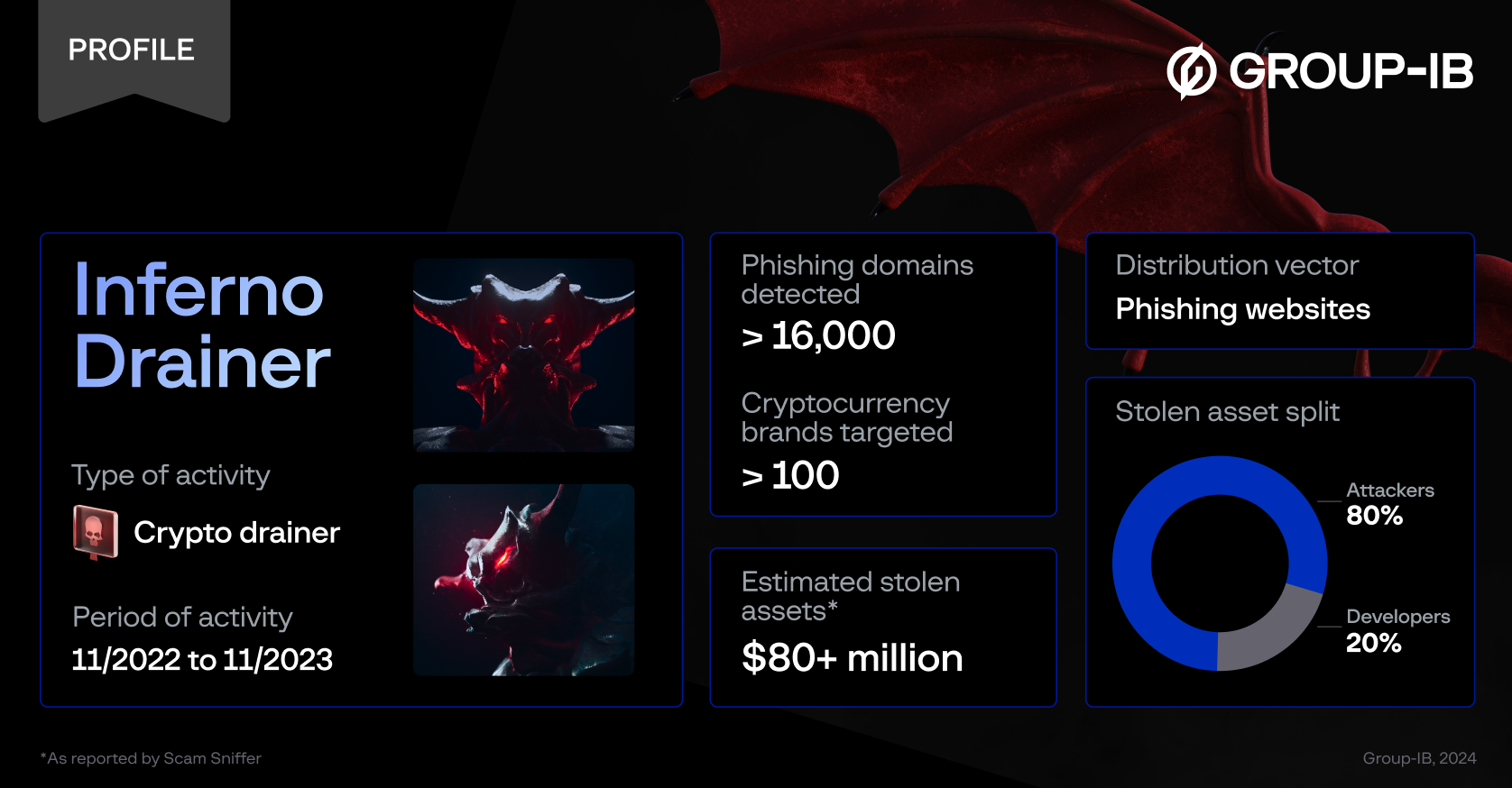
- Risk: Phishing Attacks: Users tricked into signing malicious authorizations, granting attackers account control; verify delegations carefully.

- Risk: Wallet Drainers: Exploits disguise harmful delegations as legitimate; monitor for suspicious approvals and use revoke tools.
- Requires Safeguards: Wallet providers should restrict arbitrary delegations and maintain trusted contract lists to mitigate threats.
Building Robust EIP-7702 Delegation Tooling Foundations
EIP-7702 delegation tooling is non-negotiable for safe transitions. At 7702migration. com, our SDKs streamline migration for wallets and dapps, featuring step-by-step guides for batching, sponsorship, and revocation. GitHub repositories like fireblocks-labs/awesome-eip-7702 curate standards and tools, but implementation varies. Biconomy's keyless proxy deployment exemplifies forward-thinking, yet demands private key safeguards.
Wallet providers should embed safeguards: validate delegator contracts against whitelists, simulate transactions off-chain, and automate revokes. Viem examples for delegate/revoke operations provide a solid start, but pair them with comprehensive auditing. In my experience managing commodity portfolios, untested code equals unchecked volatility; apply the same rigor here.
Step-by-Step Safeguards for Ethereum Wallet EIP-7702 SDK Integration
Begin with assessing your EOA fleet. Inventory active addresses, then deploy our Ethereum wallet EIP-7702 SDK for compatibility checks. Configure delegations with time-bound scopes, expiring after use to minimize exposure. For recovery, integrate key rotation strategies from 7blocklabs, ensuring revoke EIP-7702 delegation is one-click.
Tooling like OpenFort's zero-cost accounts reduces barriers, but verify NatSpec interfaces for integration hints. Post-Pectra data shows rapid adoption, yet Three Sigma's analysis of drainers stresses monitoring suspicious allowances. Opinionated take: Favor modular SDKs over monolithic migrations; they allow phased rollouts, hedging against undiscovered vectors.

Phishing vectors remain the prime threat, with attackers exploiting user trust in dapp interfaces. Post-Pectra analyses from Spectrum Search detail how EIP-7702 delegate phishing drained WLFI tokens, underscoring the need for proactive defenses. Wallets must parse authorization payloads rigorously, flagging non-standard code addresses before signature prompts.
Mitigating EIP-7702 Phishing Through Whitelisting and Simulation
Whitelisting trusted delegator contracts forms the bedrock of secure EIP-7702 setup. Maintain dynamic lists updated via community curations like fireblocks-labs/awesome-eip-7702, cross-referenced against exploit databases. Off-chain simulation tools replay delegations against historical data, exposing hidden drains before mainnet commitment. In commodities trading, we simulate black swan events; apply parallel rigor to EIP-7702 by modeling attacker payloads.
Revocation tooling deserves equal emphasis. One-click revoke EIP-7702 delegation buttons, coupled with automated expiry, limit blast radius. Viem libraries offer primitives, but layer on user notifications for pending revokes. With Ethereum at $1,937.70, even brief exposures compound losses amid volatility. My firm stance: Treat every delegation as a potential portfolio short position until proven otherwise.
Leveraging SDKs for Phased EIP-7702 Wallet Migration
EIP-7702 wallet migration thrives on modular SDKs, allowing incremental adoption. Start with sponsorship modules for gasless UX, then layer batching for efficiency. Our platform at 7702migration. com furnishes pre-audited SDKs tailored for wallets and dapps, complete with Viem integrations and NatSpec-compliant interfaces from OpenFort inspirations. Phased rollouts test 10% of users first, scaling on success metrics like zero exploits.
Biconomy's keyless proxies highlight innovation, deploying without private key exposure, yet demand session keys with granular permissions. Pair this with on-chain monitoring for anomalous calls. 7blocklabs' key rotation strategies complement recovery, ensuring compromised delegations don't cascade. Opinion: Avoid all-in migrations; they mirror over-leveraged trades, amplifying downside in bear phases like today's 6.72% ETH drop.
Tooling maturity lags adoption speed. Post-launch data shows 11,000 authorizations, but Three Sigma warns of drainer evolution. BlockEden notes lowered barriers for developers, yet compatibility hinges on rigorous testing. Prioritize SDKs with built-in anomaly detection, simulating Pectra-era exploits.
Future-Proofing with EIP-7702 Delegation Tooling
As Ethereum evolves, EIP-7702 delegation tooling positions wallets ahead. Collaborate with standards bodies for proxy normalization, reducing phishing surfaces. Integrate with emerging recovery protocols, ensuring users reclaim control swiftly. With ETH ranging $1,757.03 to $2,139.54 today, cost savings from batching directly bolster positions.
Developers, audit thrice: code, simulations, and live stress tests. Providers, whitelist aggressively and revoke proactively. Users, scrutinize every signature. At 7702migration. com, our resources empower this triad, delivering SDKs, guides, and tooling for seamless, secure transitions. Risk managed is reward maximized; embrace EIP-7702 judiciously to navigate Web3's next phase unscathed.
Comparison of Top EIP-7702 Tools: Features, Security Scores, and Integration Ease
| Tool | Key Features | Security Score (/10) | Integration Ease | Source/Link |
|---|---|---|---|---|
| OpenFort 7702 Account | Zero deployment cost, Extensive NatSpec interfaces for tooling, EIP-7702 smart account capabilities | 9.5 | Easy 🟢 | GitHub: openfort-xyz/openfort-7702-account |
| Biconomy EIP-7702 Proxies | Deploy proxies without associated private key, Standardization via future EIP, Gas sponsorship support | 8.5 | Medium 🟡 | biconomy.io |
| Revoke.cash | Delegation revocation, Phishing risk warnings, Secure allowance management | 9.0 | Easy 🟢 | Revoke.cash |
| Viem (Delegation Tools) | Delegate/revoke via EIP-7702, Key rotation & recovery strategies, Transaction batching | 8.0 | Medium 🟡 | 7blocklabs.com (Viem examples) |




No comments yet. Be the first to share your thoughts!