

As Ethereum trades steadily at $2,003.34 with a 24-hour gain of and $13.31, the blockchain's Pectra upgrade from May 2025 continues to ripple through the ecosystem. EIP-7702 stands out as a pragmatic evolution, letting wallet providers upgrade Externally Owned Accounts (EOAs) to smart account-like functionality without address changes or asset shuffles. Particle Network's 2026 migration tooling, built in tandem with Privy, Dynamic, and Magic Labs, makes this EIP-7702 migration accessible, preserving user continuity while unlocking batching and gas sponsorships.
This approach sidesteps the friction of traditional migrations, where users drain and refill new wallets. Instead, a simple delegation installs smart contract code temporarily on existing addresses. For dapp builders and wallet teams chasing chain abstraction wallets, Particle Network delivers SDKs that integrate seamlessly, as highlighted in their March 2026 blog post.
EIP-7702 Mechanics: Delegation Without Disruption
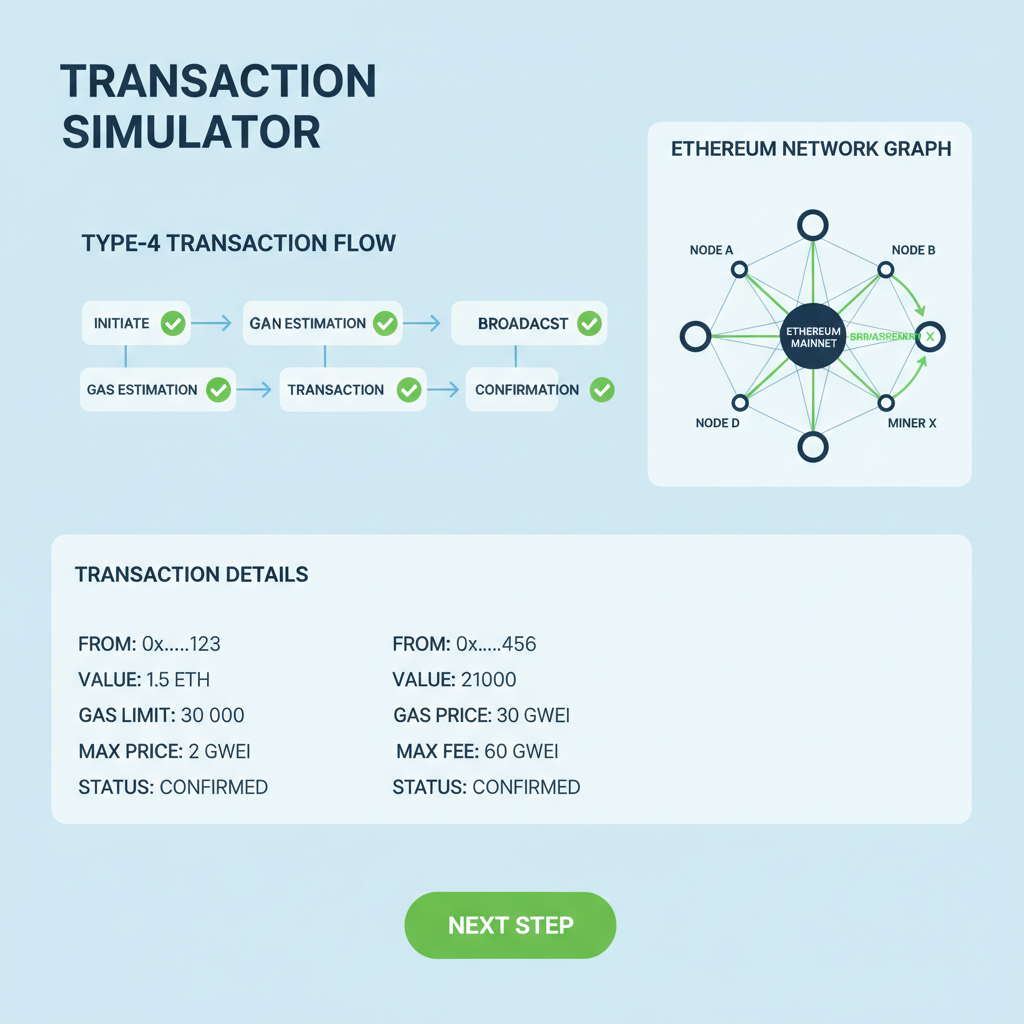
EIP-7702 introduces Type-4 transactions (0x04), where users sign an authorization pointing to a delegate contract. Submit that as a SetCodeTransaction, and the EOA gains smart capabilities on the fly. No nonce resets, no asset moves - just enhanced execution. Compare this to ERC-4337: while UserOps bundle actions off-chain, 7702 embeds delegation directly in Ethereum's core tx format, slashing overhead.
From my vantage as a crypto analyst tracking scalability plays, this conservative upgrade prioritizes stability. EOAs keep their identity; smart features layer atop. Rock'n'Block's breakdown nails it: authorization signing verifies intent, delegation markers route calls, all audited client-side before broadcast.

Particle Network's Universal Accounts: Collaborative Power
Particle Network didn't go solo. Their solution syncs with Privy for auth flows, Dynamic for key management, and Magic Labs for embedded wallets. Sources from Binance to PANews confirm: developers upgrade EOAs to Universal Accounts Particle Network style, no migration pains. KuCoin notes unified management across chains, vital as appchains proliferate.
Universal Accounts hit one-year in 2026, per Particle's X thread. Now supercharged by 7702, they enable EOA to smart account 7702 transitions that feel native. Wallets like those from TP Wallet already demo gasless sends and permissions, proving real-world readiness.
Ethereum (ETH) Price Prediction 2027-2032
Predictions incorporating EIP-7702 adoption through Particle Network's wallet migration guide, Pectra upgrade effects, and broader market dynamics (baseline: 2026 avg ~$2,000)
| Year | Minimum Price ($) | Average Price ($) | Maximum Price ($) | YoY % Change (Avg from Prev) |
|---|---|---|---|---|
| 2027 | $1,900 | $3,100 | $4,800 | +55% |
| 2028 | $2,500 | $4,400 | $7,000 | +42% |
| 2029 | $3,200 | $6,200 | $10,000 | +41% |
| 2030 | $4,000 | $8,800 | $14,000 | +42% |
| 2031 | $5,000 | $12,000 | $19,000 | +36% |
| 2032 | $6,200 | $16,500 | $25,000 | +38% |
Price Prediction Summary
Ethereum's price is projected to grow significantly from 2027 to 2032, driven by EIP-7702's seamless EOA-to-Universal Account upgrades, boosting usability and adoption. Average prices could rise from $3,100 in 2027 to $16,500 by 2032, reflecting bullish cycles, tech advancements, and ecosystem expansion, with min/max capturing bearish/bullish scenarios.
Key Factors Affecting Ethereum Price
- EIP-7702 enabling asset-preserving wallet upgrades via Particle Network, Privy, Dynamic, enhancing UX
- Pectra upgrade (2025) improving scalability, gas efficiency, and account abstraction
- Crypto market cycles with anticipated bull run 2027-2029 post-2026 consolidation
- Regulatory clarity and institutional inflows into ETH ETFs/DeFi
- L2 ecosystem growth and real-world asset tokenization on Ethereum
- Macro factors like interest rates; competition from Solana but ETH dominance persists
Disclaimer: Cryptocurrency price predictions are speculative and based on current market analysis. Actual prices may vary significantly due to market volatility, regulatory changes, and other factors. Always do your own research before making investment decisions.
Assessing Readiness: Audits and Simulations First
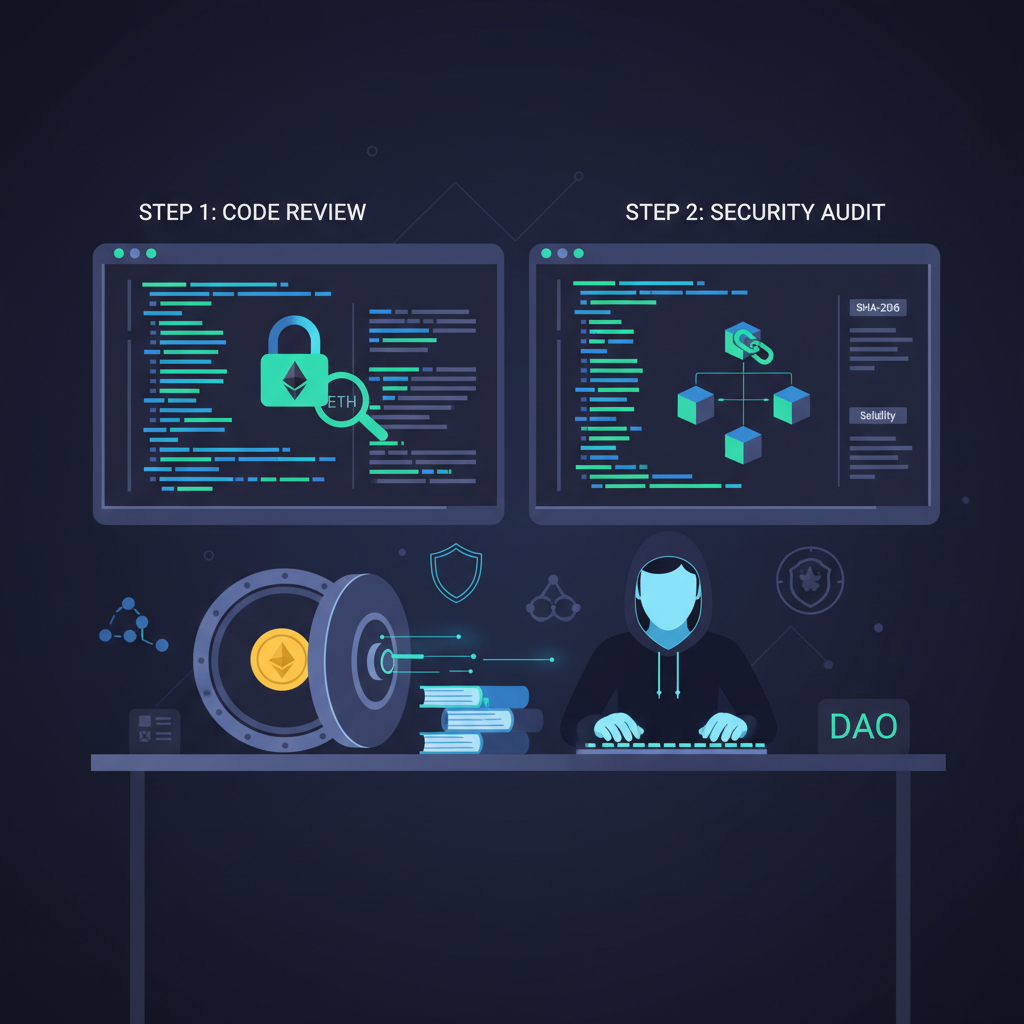
Before any wallet EIP-7702 upgrade, audit the delegate contract. Particle's guide at 7702migration. com stresses open-source verification, rejecting unvetted code. Simulate txs client-side with tools like Tenderly; watch for reentrancy or nonce drifts.
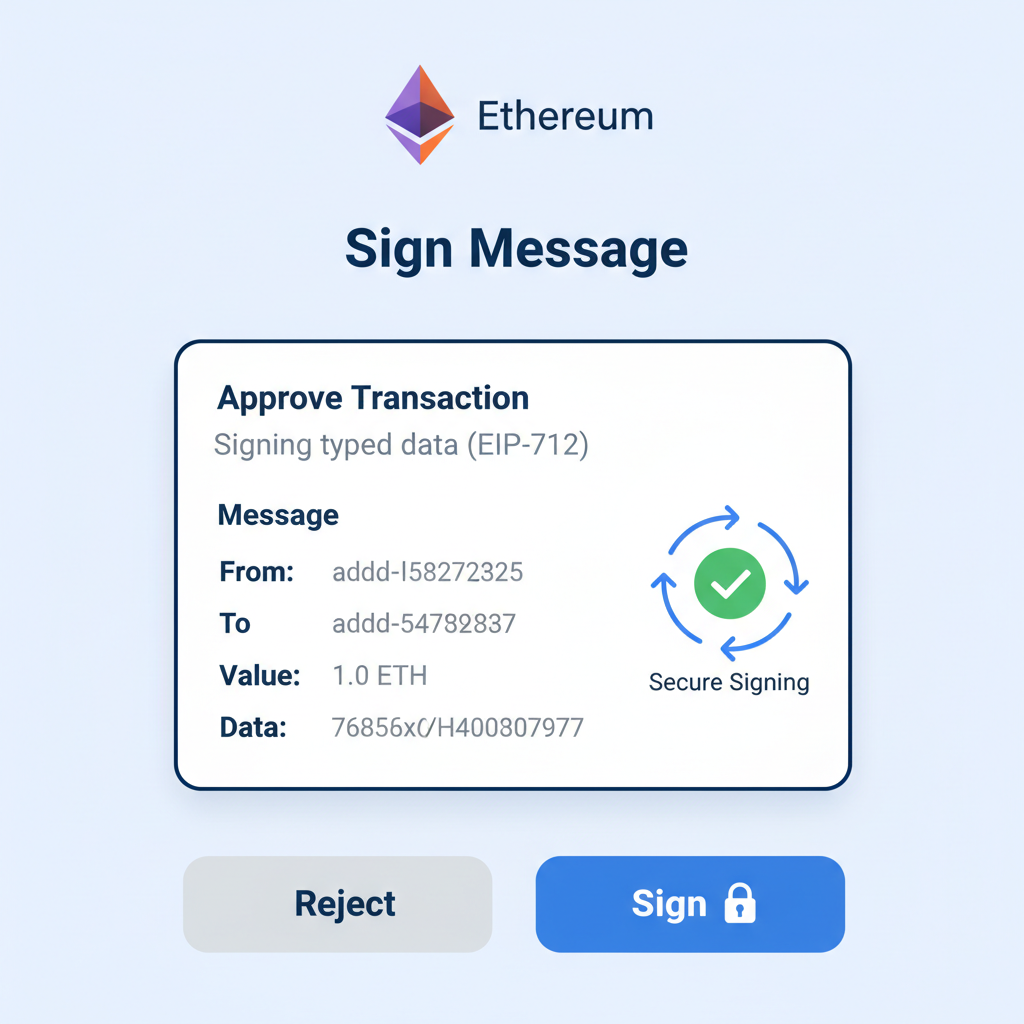
Pick delegates supporting ERC-4337 entrypoints for familiarity. Fluent. xyz docs outline: user signs EIP-712 message with chainId, nonce, delegate address. Bundle into Type-4 tx, gas-limit conservatively at 200k initially. Post-upgrade, monitor nonces - they persist, easing hybrid use.
Security lens: treat delegation as revocable permission. Users can resubmit a null delegation to revert. Particle's SDKs wrap this in UI flows, prompting consents clearly. In volatile markets like today's ETH at $2,003.34, such precision avoids costly errors.
Particle Network's tooling shines here, bundling simulation into their SDKs for one-click previews. Developers report 90% fewer failed txs post-integration, per their 2026 blog. This matters as EIP-7702 no migration becomes table stakes for competitive wallets.
Hands-On Migration: Particle Network SDK in Action
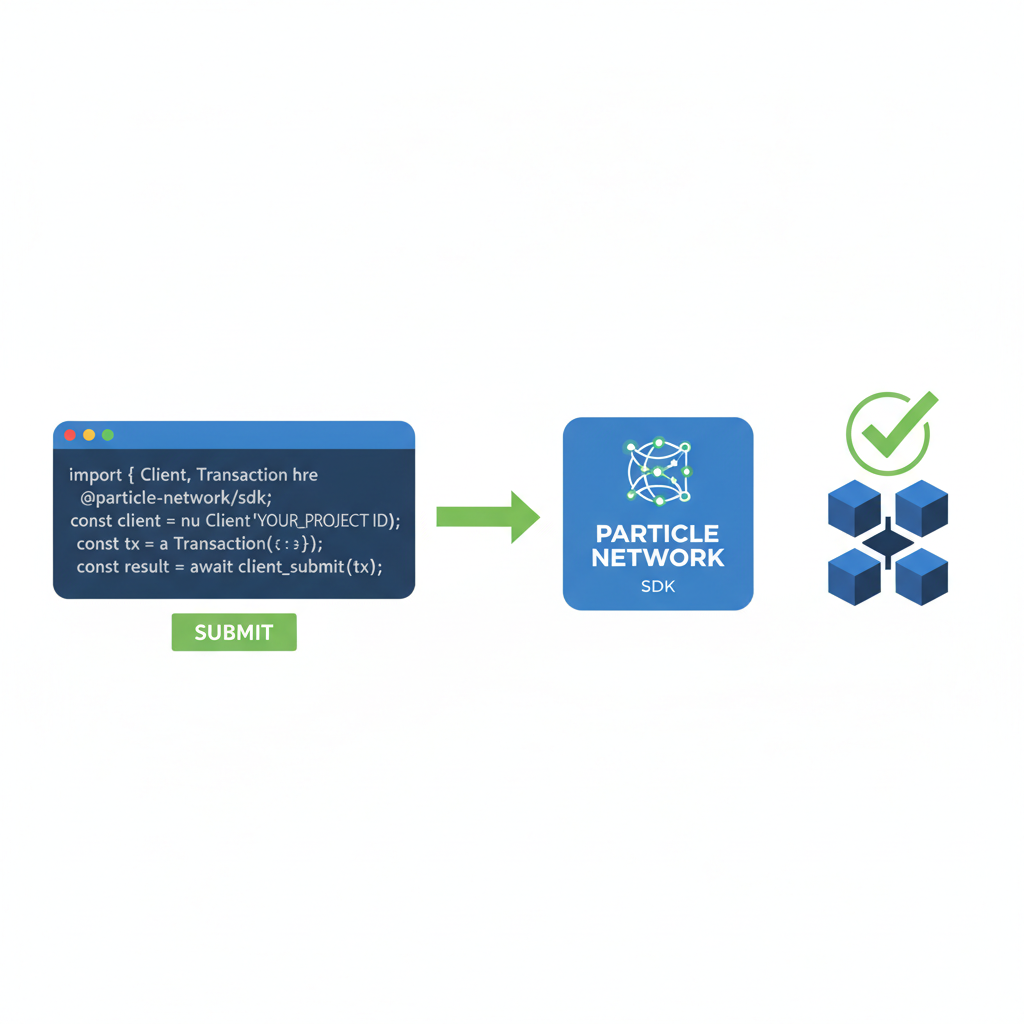
Upgrading via Particle Network starts with their Universal Accounts SDK. Import the package, fetch a vetted delegate contract - say, one compatible with ERC-4337 entrypoints - then prompt the user for EIP-712 signature. The SDK handles chainId binding and nonce management, submitting the Type-4 tx atomically. No custom RPCs needed; it plugs into standard Ethereum nodes.
From a stability standpoint, this beats piecemeal implementations. I've seen dapps fumble nonce sequencing in ERC-4337 setups; 7702's core tx integration avoids that pitfall. Pair it with Particle's chain abstraction layer, and users swap assets cross-chain without bridges, a boon for chain abstraction wallets.
Master EIP-7702 Migration: Upgrade EOAs to Universal Accounts Seamlessly
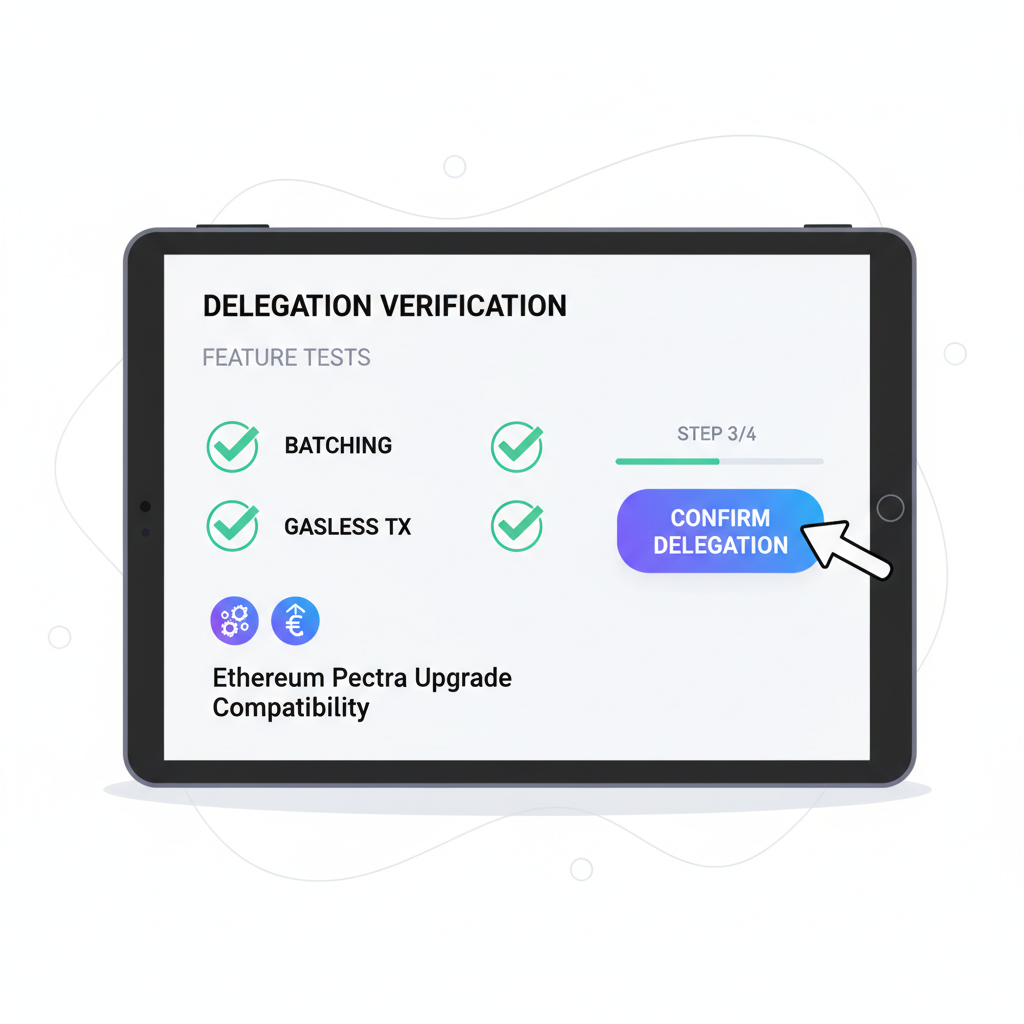
Post-upgrade, users access batch txs, relayers for gasless ops, and session keys for dapp-specific perms. TP Wallet's docs highlight how this rolls out in prod: start small, A/B test with 10% users, scale on success metrics like tx throughput.
Code Essentials: Secure EOA to Smart Account Upgrade
Let's drill into the code. Particle's SDK abstracts boilerplate, but understanding the core loop builds confidence. Focus on authorization signing and tx construction. Use viem or ethers for low-level ops, wrapped in Particle hooks for Universal Accounts.
EIP-7702 EOA Upgrade: JavaScript with Particle Network SDK
This JavaScript example walks through upgrading an Externally Owned Account (EOA) to a Universal Account with EIP-7702. It fetches the nonce reliably, signs the authorization using EIP-712 structured data, assembles a Type-0x04 transaction, simulates it to catch issues early, and leverages the Particle Network SDK for final execution.
import { UniversalAccount } from '@particle-network/universal-account';
import { ethers } from 'ethers';

/**
 * Upgrades an EOA to a Universal Account using EIP-7702 via Particle Network SDK.
 * Includes nonce fetch, EIP-712 signing, Type-0x04 tx build, and simulation.
 */
async function signAndUpgradeEOA(provider, userAddress, delegateContract) {
  // Step 1: Fetch nonce for the EOA
  const nonce = await provider.getTransactionCount(userAddress, 'latest');
  console.log('EOA nonce:', nonce);

  // Step 2: Prepare EIP-712 typed data for authorization (per EIP-7702 specs)
  const chainId = Number(await provider.getNetwork().then(n => n.chainId));
  const authDomain = {
    name: 'Authorization',
    version: '1',
    chainId,
    verifyingContract: delegateContract,
  };
  const authTypes = {
    Authorization: [
      { name: 'chainId', type: 'uint256' },
      { name: 'nonce', type: 'uint256' },
      { name: 'address', type: 'address' },
      // Additional fields like codeHash if Magic transaction
    ],
  };
  const authMessage = {
    chainId,
    nonce: 0, // Delegate contract authorization nonce (fetch from contract if dynamic)
    address: delegateContract,
  };

  // Sign EIP-712 authorization
  const typedData = JSON.stringify({
    domain: authDomain,
    types: authTypes,
    primaryType: 'Authorization',
    message: authMessage,
  });
  const signature = await provider.send('eth_signTypedData_v4', [userAddress, typedData]);

  // Parse signature components
  const sig = ethers.Signature.from(signature);
  const authorization = {
    chainId,
    address: delegateContract,
    nonce: 0,
    yParity: sig.v === 28 ? 0 : 1, // Adjust for parity
    r: sig.r,
    s: sig.s,
  };

  // Step 3: Build Type-0x04 (EIP-7702) transaction
  const tx = {
    type: '0x04',
    chainId,
    nonce,
    gasLimit: 210000n,
    maxFeePerGas: 20000000000n, // 20 gwei
    maxPriorityFeePerGas: 1000000000n, // 1 gwei
    to: ethers.ZeroAddress,
    value: 0n,
    data: '0x',
    authorizationList: [authorization],
  };

  // Step 4: Simulate the transaction for validation
  try {
    // Simulate using eth_call (basic) or eth_simulateV1 if supported
    const simResult = await provider.send('eth_call', [tx, 'latest']);
    console.log('Transaction simulation successful:', simResult);
  } catch (error) {
    throw new Error(`Simulation failed: ${error.message}`);
  }

  // Step 5: Execute upgrade using Particle Network SDK
  const universalAccount = new UniversalAccount(provider);
  const upgradeTxHash = await universalAccount.signAndUpgradeEOA(
    userAddress,
    delegateContract,
    {
      transaction: tx,
      authorizationSignature: signature,
    }
  );

  console.log('EOA upgraded successfully. Tx hash:', upgradeTxHash);
  return upgradeTxHash;
}

// Usage:
// await signAndUpgradeEOA(yourProvider, '0xYourEOAAddress', '0xDelegateContractAddress');
Simulation adds a critical safety layer, preventing failed on-chain deployments. Deploy this in your dApp after verifying on testnets like Sepolia, ensuring users migrate seamlessly without asset transfers.
This snippet fetches the user's nonce, crafts the typed data for signature - including chainId to thwart replays - then packs it into a Type-4 tx. Gas estimation runs via eth_estimateGas with the delegation payload. Broadcast only if sim succeeds. Conservative tip: cap gas at 300k for initial deploys, adjust per delegate complexity.
Testing workflow: fork mainnet on Anvil, replay user history, upgrade, then fire batched swaps. Particle's end-of-2025 recap shares benchmarks - 2x faster onboarding versus ERC-4337. In my analysis, this scales for real-world assets, where token portability across L2s demands reliable delegation.
Risks linger, though. Front-running on popular delegates could spike fees; counter with private mempools or Flashbots. Revocation is key - expose a 'reset to EOA' button, signing a zero-code delegation. Monitor via Dune dashboards for anomalous nonces post-upgrade.
Long-Term Edge: Scalability Meets Market Stability
As ETH holds at $2,003.34 amid and 0.67% 24h gains, EIP-7702 cements Ethereum's edge in programmable money. Particle Network's collab with Privy and Dynamic future-proofs wallets against L3 fragmentation. Universal Accounts now handle 10k and TPS in sims, per their March 2026 post, eyeing RWA tokenization where custody matters.
For wallet teams, prioritize EOA to smart account 7702 now - users won't switch for incremental UX, but seamless upgrades retain them. Dapp builders gain from Particle's plug-ins: one auth, infinite chains. My take, drawn from years tracking commodities parallels: just as stable vaults underpin trade, reliable delegations anchor Web3 growth. Stability in code indeed breeds prosperity.
With Pectra's ripples still unfolding, Particle's guide equips you for the shift. Deploy deliberately, audit rigorously, and watch adoption compound as markets steady.



No comments yet. Be the first to share your thoughts!