
Eip-7702 migration limits to account for
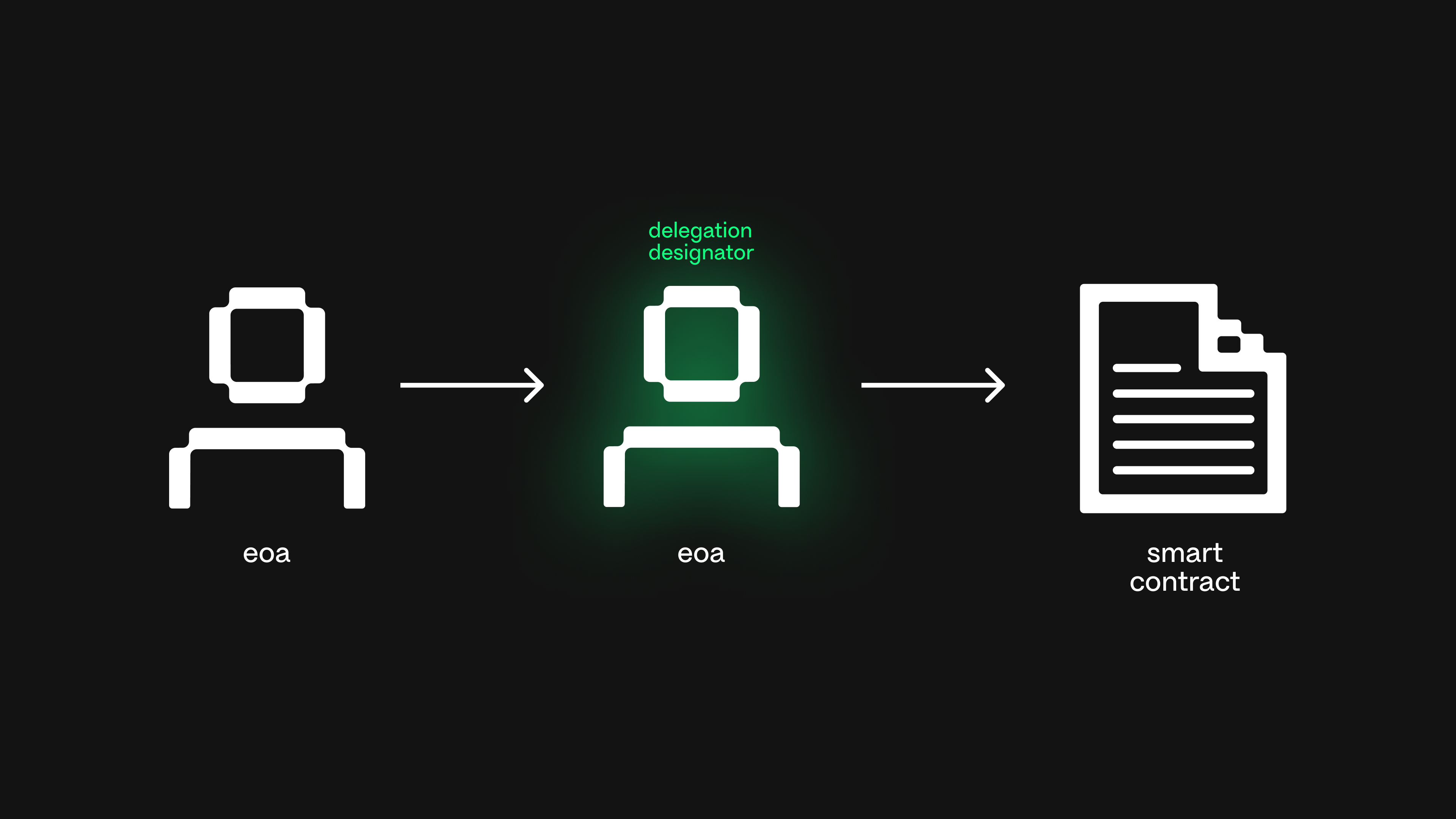
The primary constraint of EIP-7702 is not technical incompatibility, but the requirement for a one-time, irreversible on-chain authorization. Unlike a standard migration where you transfer assets to a new address, EIP-7702 allows Externally Owned Accounts (EOAs) to delegate execution rights to a smart contract while retaining the same address. This means your funds never move, but your account's behavior changes fundamentally.
This process introduces a specific security boundary: you must sign an EIP-7702 authorization transaction to set the code hash of your EOA. Once this authorization is recorded on-chain, your EOA can execute smart contract logic. However, you cannot simply "un-migrate" to a pure EOA state without deploying a new account or using a specific revocation mechanism supported by your wallet provider. This permanence is the core constraint to understand before initiating any migration.
While EIP-7702 is often discussed alongside ERC-4337, they serve different layers. ERC-4337 standardizes how accounts interact with bundlers and paymasters, whereas EIP-7702 upgrades the account itself to support smart contract execution. They are complementary, not replacements. If you are migrating solely for gas sponsorship or session keys, EIP-7702 provides the underlying account capability, but you still need a compatible wallet and bundler infrastructure to fully utilize these features.
Before proceeding, verify that your target wallet supports EIP-7702 authorizations. Not all wallets have implemented the necessary signing logic for this new transaction type. Using an unsupported wallet during migration can result in failed transactions or locked assets if the authorization is not properly recorded. Always test with a small amount first to ensure the authorization is correctly processed on the network.
Eip-7702 migration choices that change the plan
Before deploying, evaluate the concrete friction points of upgrading an Externally Owned Account (EOA) to a smart contract. The decision balances immediate gas costs against long-term flexibility. Unlike a full account migration, EIP-7702 does not require asset transfers or address changes. Your EOA address remains the same, but it gains the ability to delegate execution to a smart contract. This opt-in model is complementary to ERC-4337; it upgrades the account itself, while 4337 standardizes how that account interacts with bundlers and paymasters.
The primary tradeoff lies in the deployment overhead. Activating EIP-7702 requires a one-time deployment of a smart contract account on-chain. This incurs upfront gas fees that standard EOAs do not pay. However, this cost is amortized over the lifetime of the account. For high-frequency users, the ability to batch transactions or sponsor gas often pays for the initial deployment within weeks.
Another factor is the authorization flow. EIP-7702 introduces a new transaction type with an "authorizations" field. Users must sign a special authorization message from their EOA to delegate execution. This adds a step to the onboarding process but enables powerful features like gas sponsorship and session keys. Wallet support is growing, but you must verify that your target users' wallets handle these new transaction types correctly.
| Feature | Standard EOA | EIP-7702 Account | ERC-4337 Paymaster |
|---|---|---|---|
| Deployment Cost | None | One-time gas fee | None (User pays) |
| Gas Sponsorship | Not possible | Native support | Via Paymaster |
| Transaction Batching | None | Single signature | Via Bundler |
| Address Change | N/A | None (Same address) | None (Same address) |
The final tradeoff is security complexity. By introducing code to your EOA, you expand the attack surface. While the authorization logic is standardized, you must ensure your smart contract implementation is audited. Misconfigured authorizations could allow unintended delegation. Standard EOAs have a simpler security model: private key control. With EIP-7702, you must manage both the private key and the smart contract logic, adding a layer of operational responsibility.
Choose the next step
EIP-7702 transforms Externally Owned Accounts (EOAs) into smart contract accounts without moving assets or changing addresses. This upgrade enables gas sponsorship, session keys, and batched transactions while maintaining the familiar EOA interface. The decision framework below helps you determine whether to adopt EIP-7702 now or wait for broader ecosystem maturity.
Watch Out for Weak EIP-7702 Options
EIP-7702 is live on Ethereum mainnet, but not every migration path is equal. Many tutorials suggest simple key delegation without addressing the underlying account structure. This section identifies the misleading claims and weak options you should avoid when deploying smart contracts under EIP-7702.
Don't Confuse EIP-7702 with ERC-4337
A common mistake is treating EIP-7702 as a replacement for ERC-4337. They are complementary. EIP-7702 upgrades the Externally Owned Account (EOA) itself, allowing it to hold smart contract code. ERC-4337 standardizes how accounts interact with bundlers and paymasters. Using 7702 to solve 4337 problems leads to bloated, inefficient contracts. Stick to 7702 for account upgrades and 4337 for user experience layers like gas sponsorship.
Avoid Partial Migration Claims
Some guides imply you can "migrate" an EOA without changing its address. This is true for EIP-7702, but misleading if you assume it works like a full account migration. No asset transfer is required, but you must sign a new authorization. If a tool claims to do this automatically without user interaction, it is likely weak or insecure. Always verify the authorization signature on-chain.
Check Wallet Support Before Deploying
Not all wallets support EIP-7702 yet. Relying on a wallet that doesn't understand the new transaction type will result in failed transactions. Use official source checks like WalletBeat to verify support. Don't assume your current wallet is ready. Test with a small amount first. The difference between a smooth deployment and a stuck transaction often comes down to wallet compatibility, not code quality.
Eip-7702 migration: what to check next
Before committing to EIP-7702, it helps to clarify how it changes your wallet’s behavior and what infrastructure you actually need. This section addresses the most common practical objections and implementation details.
No comments yet. Be the first to share your thoughts!