
EIP-7702 live on mainnet
EIP-7702 is no longer a theoretical upgrade; it is live on Ethereum mainnet as part of the Pectra hardfork. Deployed on May 7, 2025, this protocol change represents the most significant shift to the Ethereum account model in years, allowing Externally Owned Accounts (EOAs) to temporarily delegate execution to smart contracts without changing their addresses.
This activation enables legacy EOAs to access smart wallet features like batching, gas sponsorship, and session keys. The uptake has been immediate. Within the first week of the Pectra launch, the network recorded over 11,000 EIP-7702 authorizations, signaling strong initial adoption by wallets and decentralized applications.
The ability to set code on existing EOAs bridges the gap between simple key management and programmable accounts. While ERC-4337 introduced account abstraction via a separate mempool, EIP-7702 integrates these capabilities directly into the protocol, requiring no changes to the user's address or private key.
EOAs gain smart contract powers
EIP-7702 adoption in 2026 fundamentally shifts how Ethereum users interact with the network by allowing Externally Owned Accounts (EOAs) to temporarily delegate execution to smart contracts. Before this upgrade, EOAs were limited to simple value transfers and signing messages. Now, they can borrow the capabilities of smart contract wallets—such as session keys, gas sponsorship, and transaction batching—without permanently changing their account type.
The mechanism relies on a new transaction type featuring an "authorizations" field. Users sign a special authorization message from their EOA, which is then recorded on the Ethereum network. This process effectively allows the EOA to set its own code temporarily, granting the delegated contract the power to execute transactions on the user's behalf. This temporary delegation is the core of EIP-7702 adoption in 2026, offering the flexibility of smart contracts while retaining the simplicity of standard accounts.
This approach differs significantly from ERC-4337, which requires deploying a new smart contract account from scratch. EIP-7702 works alongside ERC-4337, but it targets existing EOAs directly, requiring a protocol upgrade rather than just a standard interface. This means users can unlock advanced features like paying gas in stablecoins or setting time-limited spending limits without migrating their funds to a new wallet address.
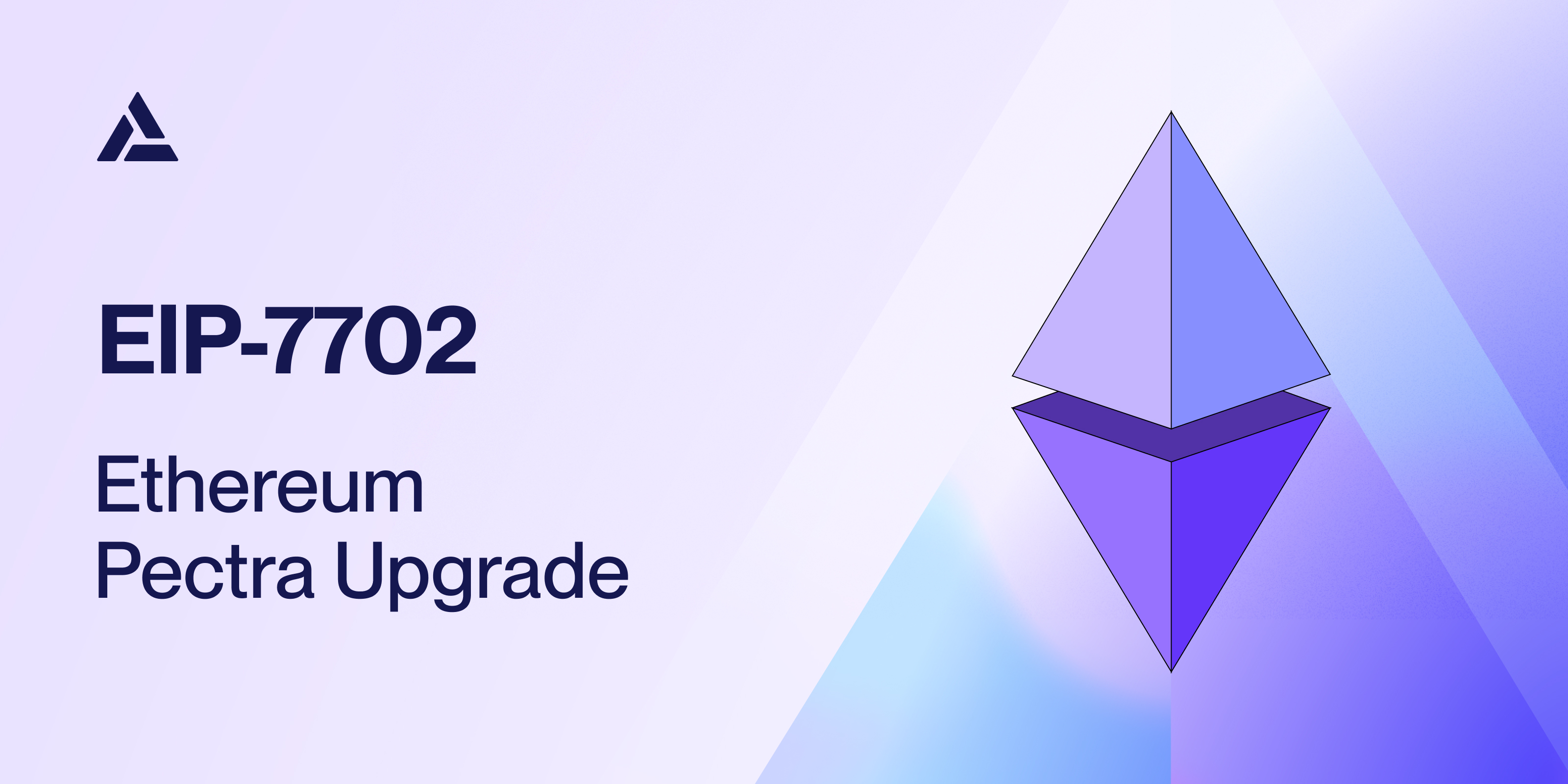
The implications for user experience are substantial. By enabling session keys, users can sign complex multi-step transactions once, allowing a smart contract to execute them over time without further user interaction. This is particularly useful for gaming or frequent trading, where constant signing becomes cumbersome. Additionally, gas sponsorship becomes easier, as a third party can pay for transactions on behalf of the EOA, lowering the barrier to entry for new users.
EIP-7702 vs ERC-4337: Which Standard Fits Your Stack?
As EIP-7702 adoption accelerates in 2026, developers face a critical architectural choice between two competing approaches to account abstraction. ERC-4337 introduced a user-operation layer that operates outside the consensus layer, relying on bundlers and paymasters to batch transactions. EIP-7702, by contrast, modifies the Ethereum protocol itself, allowing existing externally owned accounts (EOAs) to temporarily delegate execution to smart contracts.
The decision between these standards hinges on your infrastructure constraints and user experience goals. ERC-4337 offers immediate implementation without requiring network upgrades, making it ideal for projects needing rapid deployment. EIP-7702 provides deeper integration with the Ethereum state, enabling native gas sponsorship and simpler transaction flows, but requires the Pectra hardfork upgrade.
| Feature | EIP-7702 | ERC-4337 |
|---|---|---|
| Implementation | Protocol-level upgrade | User-operation layer |
| Gas Payment | Native ETH/ERC-20 via paymaster | ERC-20 via paymaster |
| EOA Compatibility | Yes, temporary smart contract behavior | No, requires smart account deployment |
| Bundler Dependency | Optional | Required |
| Network Upgrade | Required (Pectra) | Not required |
For wallets prioritizing seamless migration of legacy EOAs, EIP-7702 offers a more intuitive path. Users retain their familiar addresses while gaining smart contract capabilities. ERC-4337 remains the robust choice for applications requiring complex batching, session keys, or social recovery without waiting for protocol upgrades.
Migration tooling for wallets and dapps
Integrating EIP-7702 support requires a structured approach to update existing infrastructure. Since the Pectra hardfork activated this feature on mainnet in May 2025, wallet providers and decentralized application (dapp) developers must adjust their stack to handle the new transaction types and authorization fields. The goal is to enable legacy Externally Owned Accounts (EOAs) to delegate execution to smart contracts without changing their addresses.
1. Update RPC Providers and Libraries
The foundation of EIP-7702 compatibility lies in the underlying RPC provider. Developers must ensure their libraries can parse and serialize the new Authorization list within transactions. Most major providers, including Alchemy, Infura, and QuickNode, have released updated SDKs that recognize the 7702 transaction type. Without this update, a wallet attempting to submit an authorization will encounter a "transaction type not supported" error.
2. Implement Authorization Signing
EIP-7702 relies on a new signing mechanism where users sign a specific authorization message rather than a direct transaction. Wallets must implement a signing interface that generates these authorizations on behalf of the user. These authorizations include the target contract address and a nonce. The wallet UI should clearly explain that this action temporarily grants the smart contract permission to act on the user's behalf.
3. Handle Session Keys and Expiry
A key feature of EIP-7702 is the ability to set time-bound permissions. Developers should implement logic to handle authorization expiry, allowing users to grant temporary access for specific sessions or tasks. This reduces the risk associated with permanent contract approvals. Wallets should display the duration of access and allow users to revoke these permissions easily through a dashboard.
4. Test Gas Sponsorship Flows
One of the primary use cases for EIP-7702 is gas sponsorship, where a dapp pays the transaction fees for the user. Developers must test these flows to ensure that the gas payment logic correctly interacts with the 7702 authorization. This involves verifying that the relayer or paymaster can process the transaction without requiring the user to hold ETH for gas.
5. Verify Compatibility with Existing Wallets
Finally, developers must verify that their implementation works with both new and legacy wallets. Some older wallets may not recognize the new transaction type, leading to failed transactions. It is essential to provide fallback mechanisms or clear error messages for users who have not yet updated their wallet software. Testing across multiple wallet interfaces ensures a smoother migration for end-users.
EIP-7702 adoption 2026: metrics and security risks
EIP-7702 adoption 2026 has moved past the experimental phase into tangible utility. Within a week of the Pectra upgrade launching on May 7, 2025, over 11,000 EIP-7702 authorizations were recorded, signaling immediate uptake by wallets and dApps [1]. This rapid integration demonstrates that the protocol upgrade is not just theoretical but is actively reshaping how users interact with Ethereum accounts.
However, this new capability introduces a complex security dynamic. By allowing an Externally Owned Account (EOA) to temporarily delegate execution to a smart contract, EIP-7702 acts as a double-edged sword [2]. While it unlocks smart contract features for legacy wallets, it also expands the attack surface. If the delegated contract is compromised, the EOA’s assets are immediately at risk, as the temporary code delegation grants the contract full control over the account’s execution path during that transaction.
The security implications require careful consideration. Users must verify the integrity of the smart contracts they authorize, as the temporary nature of the delegation does not mitigate the risk of malicious code execution. As adoption grows, the focus will shift from initial integration metrics to the robustness of the security practices surrounding these temporary delegations.
No comments yet. Be the first to share your thoughts!