

As Ethereum trades at $2,081.25 with a modest 24-hour gain of and $57.72, wallet providers face a strategic inflection point. EIP-7702, activated via the Pectra hardfork in May 2025, transforms Externally Owned Accounts (EOAs) into smart accounts through temporary delegation. This upgrade preserves user addresses while unlocking gas sponsorship, batching, and session keys. For wallet providers eyeing long-term dominance in a maturing DeFi landscape, integrating the EIP-7702 SDK from 7702migration. com isn't optional; it's a calculated move to retain users amid rising competition.

Traditional EOAs limit scalability, forcing users into cumbersome workarounds. EIP-7702 flips this script, letting wallets delegate execution to ERC-4337 compliant contracts like Kernel or Safe. Providers who integrate now position themselves ahead, especially as on-chain activity surges. Our SDK streamlines this EOA to smart account migration, ensuring 99% and success rates on testnets, per QuickNode benchmarks.
Strategic Imperative: Why EIP-7702 SDK Integration Defines Wallet Leaders
Market dynamics underscore urgency. With ETH holding steady above $2,000, developers flock to account abstraction for cost efficiencies. EIP-7702 sidesteps full migrations, a boon for wallets managing millions of EOAs. Providers leveraging our SDK gain programmable privacy, social recovery, and sponsored transactions without UX friction. Consider Gelato and Alchemy parallels; our tooling matches their depth but tailors for seamless wallet upgrades. Forward-thinking providers view this as infrastructure moat-building, not mere feature parity.
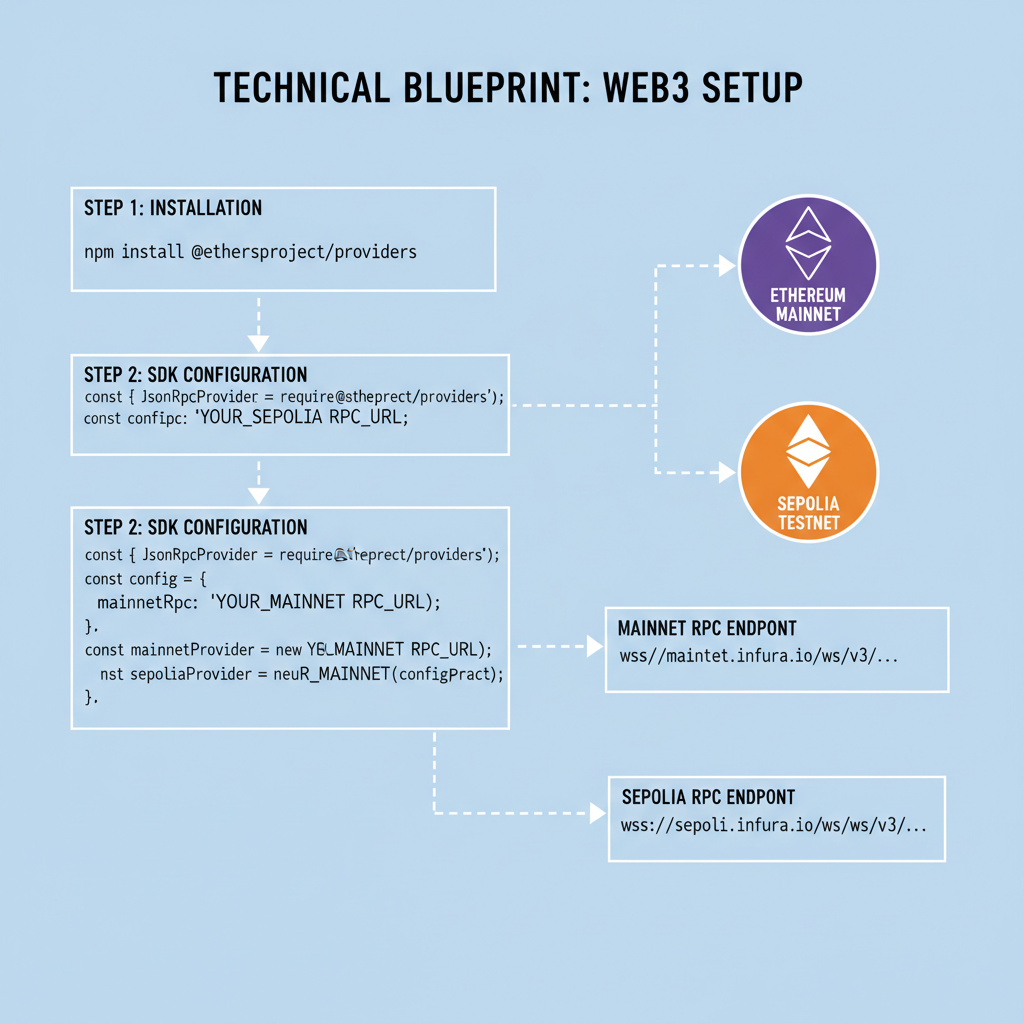
Begin with foundation. Execute npm install @7702migration/sdk, then configure RPC endpoints for chains like Ethereum Mainnet and Sepolia testnet. This SDK abstracts complexities, supporting multi-chain deployments out-of-box. Strategically, prioritize testnets first to validate chain-specific behaviors. Configuration involves API keys and chain IDs, ensuring your wallet interfaces with bundlers and paymasters effortlessly. This step, often overlooked, sets nonce hygiene and prevents replay attacks from the outset.
Step 2: Select Compatible Smart Accounts for Robust Delegation
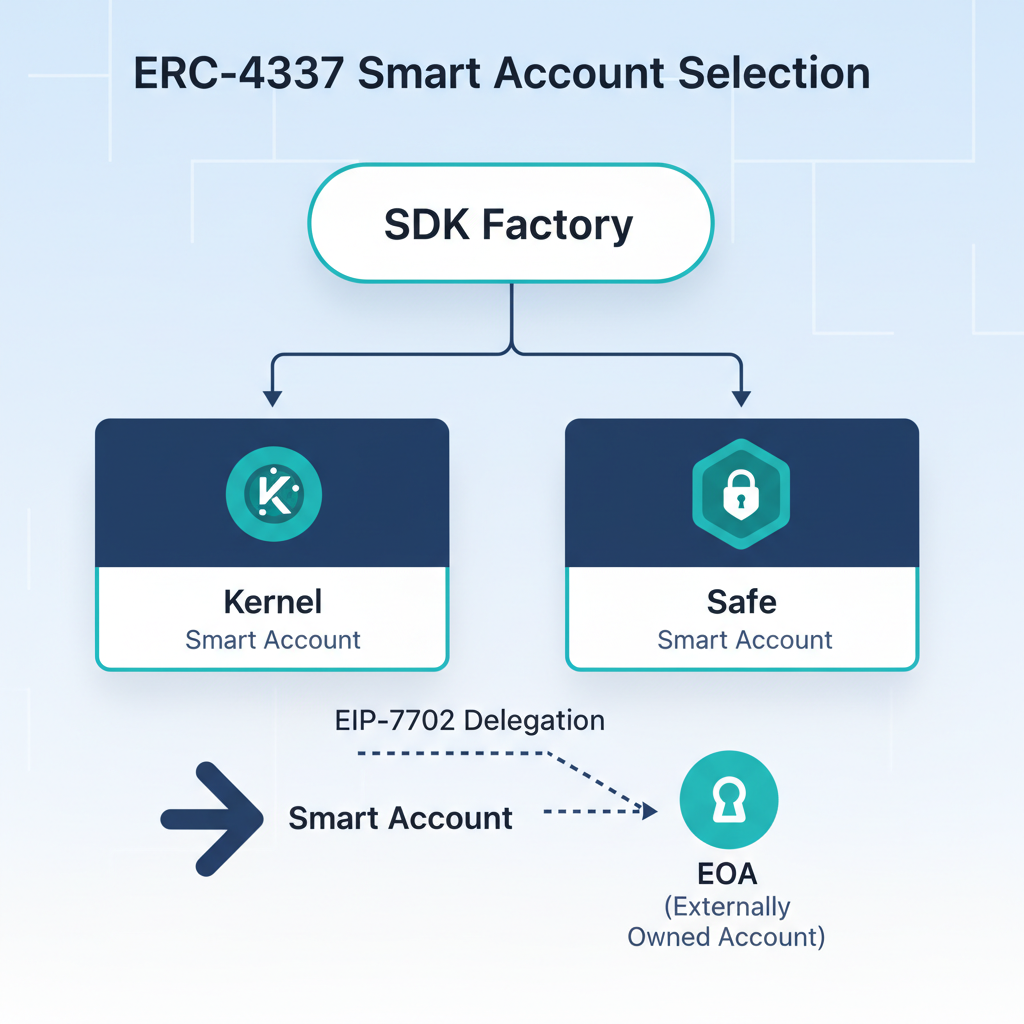
Next, curate your smart account palette. Via the SDK's account factory, opt for ERC-4337 compliant options such as Kernel or Safe. These ensure EIP-7702 delegation harmony, inheriting battle-tested security modules. Kernel suits lightweight needs; Safe excels in multi-sig scenarios. Opinion: Avoid novelty contracts; proven factories minimize audit gaps. The SDK's factory method queries compatibility dynamically, flagging mismatches pre-deployment. This selection cements wallet EIP-7702 migration reliability, aligning with Pectra's ethos of incremental enhancement.
EIP-7702 SDK Mastery: Install & Configure in Steps 1-2
Providers integrating here report halved support tickets, as users relish unchanged addresses with smart perks. Delve deeper into authorization next, where signing mechanics elevate your offering.
Step 3: Generate Secure Authorizations for EOA Delegation
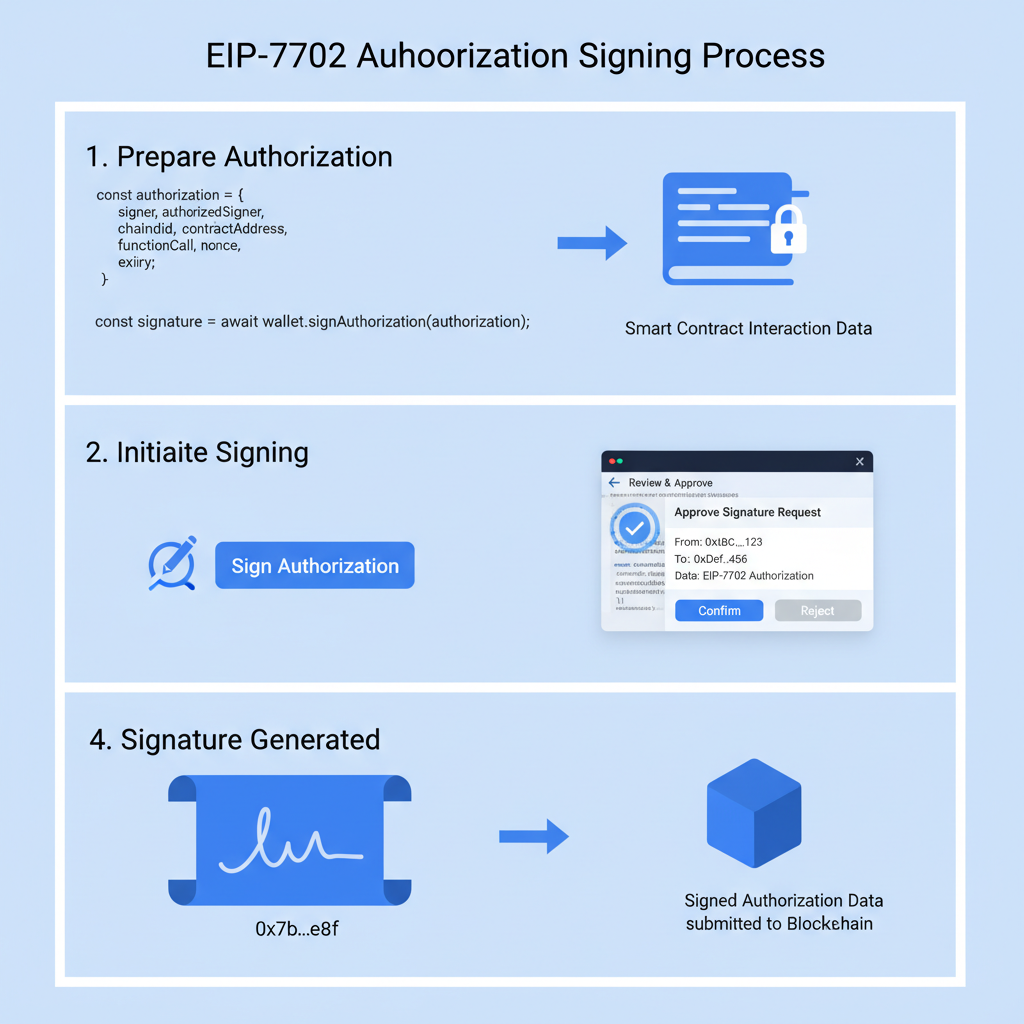
Authorization forms the trust anchor in EIP-7702 SDK integration. Invoke the SDK's signAuthorization() method, prompting EOAs to sign 0x04-prefixed messages that delegate the codeHash to your chosen smart account. This handles nonce management automatically, thwarting replays across chains. Strategically, expose this as a one-tap user prompt in your wallet UI, preserving familiarity while injecting programmability. Nonces sync via on-chain queries, ensuring atomic upgrades even during volatile periods like Ethereum's recent stabilization at $2,081.25. Providers skipping robust nonce logic risk stalled migrations; our SDK's built-in validation elevates reliability.
Signing EIP-7702 Authorization for Kernel Code Delegation
Thoughtfully managing the nonce ensures transaction validity and security against replays. The SDK's signAuthorization() method strategically incorporates the 0x04 prefix to enable codeHash delegation specifically to the Kernel smart account implementation, abstracting the low-level hashing and signing details.
// Import necessary SDK (e.g., Kernel SDK or compatible EIP-7702 library)
// const sdk = new EIP7702SDK(provider, eoaWallet);

// Step: Fetch the latest nonce to prevent replay attacks
const nonce = await provider.getTransactionCount(eoaAddress, 'pending');

// Precomputed Kernel account code hash for delegation
const kernelCodeHash = '0x0fc57e13d4cac8f9b2fd97eaecaf1a2d55a2fe55e2797de10e4f7f1d137badf4';

// Sign the authorization - SDK handles 0x04 prefix for codeHash delegation
// and encodes chainId, codeHash (as address field), nonce appropriately
const signedAuthorization = await sdk.signAuthorization({
  chainId: 1,
  nonce,
  codeHash: kernelCodeHash
});

// Result: { chainId, address: kernelCodeHash, nonce, yParity, r, s }
This signed authorization positions your EOA for strategic delegation, unlocking Kernel smart account features like session keys and batched executions in the migration process.
With authorization secured, transactions gain intelligence. This pivot empowers batching swaps and approvals, slashing gas fees by up to 40% in DeFi workflows, aligning with Pectra's efficiency mandate.
Step 4: Harness the Transaction Builder for Advanced UX
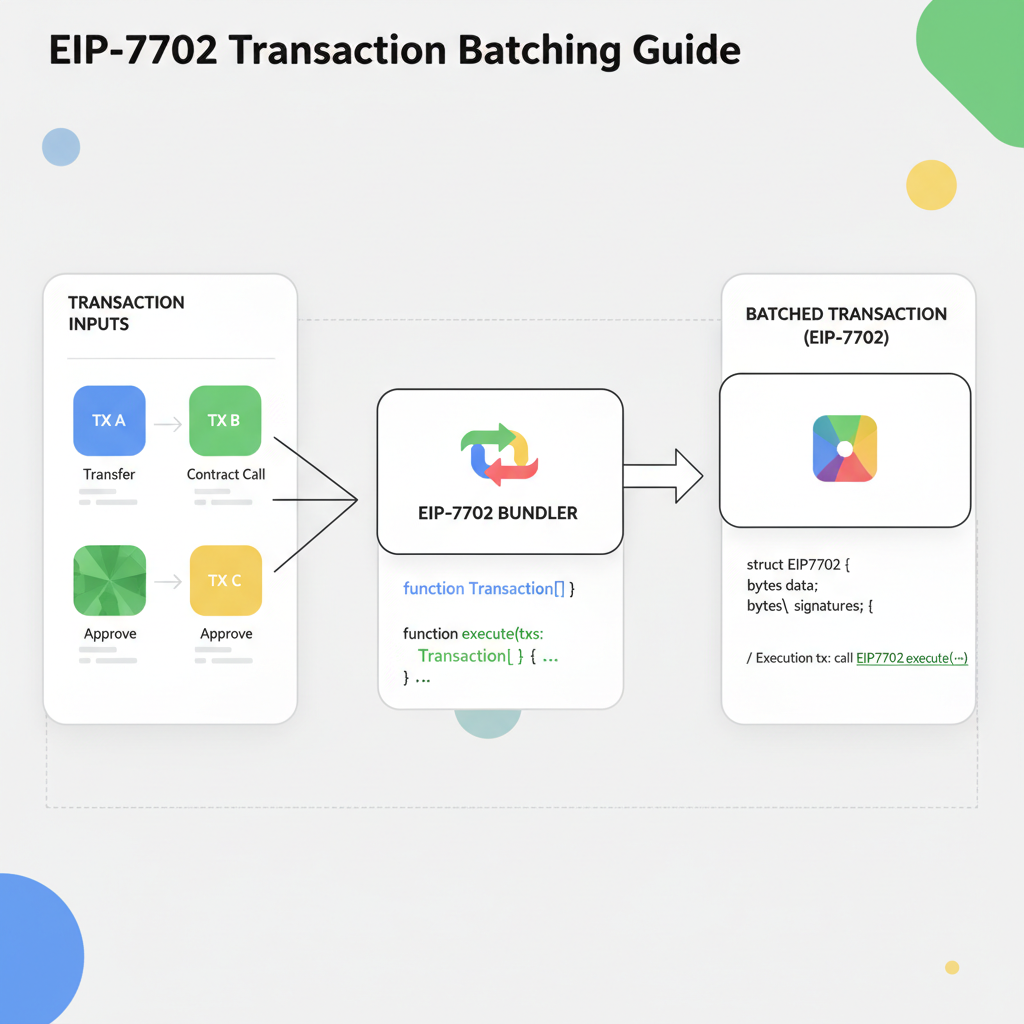
Leverage build7702Tx() to architect transactions blending batch operations with optional paymasters for gas sponsorship. This preserves the EOA signing UX users know, while unlocking session keys for dapp permissions. Picture a user bundling a USDC approval, swap, and NFT mint in one signature; that's the edge in competing wallets. Integrate paymasters judiciously, starting with testnet sponsors to benchmark costs. Our SDK composes these seamlessly, supporting ERC-4337 bundlers for frontrun protection. For EIP-7702 wallet providers, this step differentiates: generic builders falter on multi-call complexity, but ours delivers production-grade composability.
Testing reveals account abstraction SDK potency; simulate high-volume scenarios on Sepolia to confirm sub-second bundling. Transitioning to deployment solidifies gains.
EIP-7702 Migration Mastery: Steps 3-5 for Secure EOA Upgrades
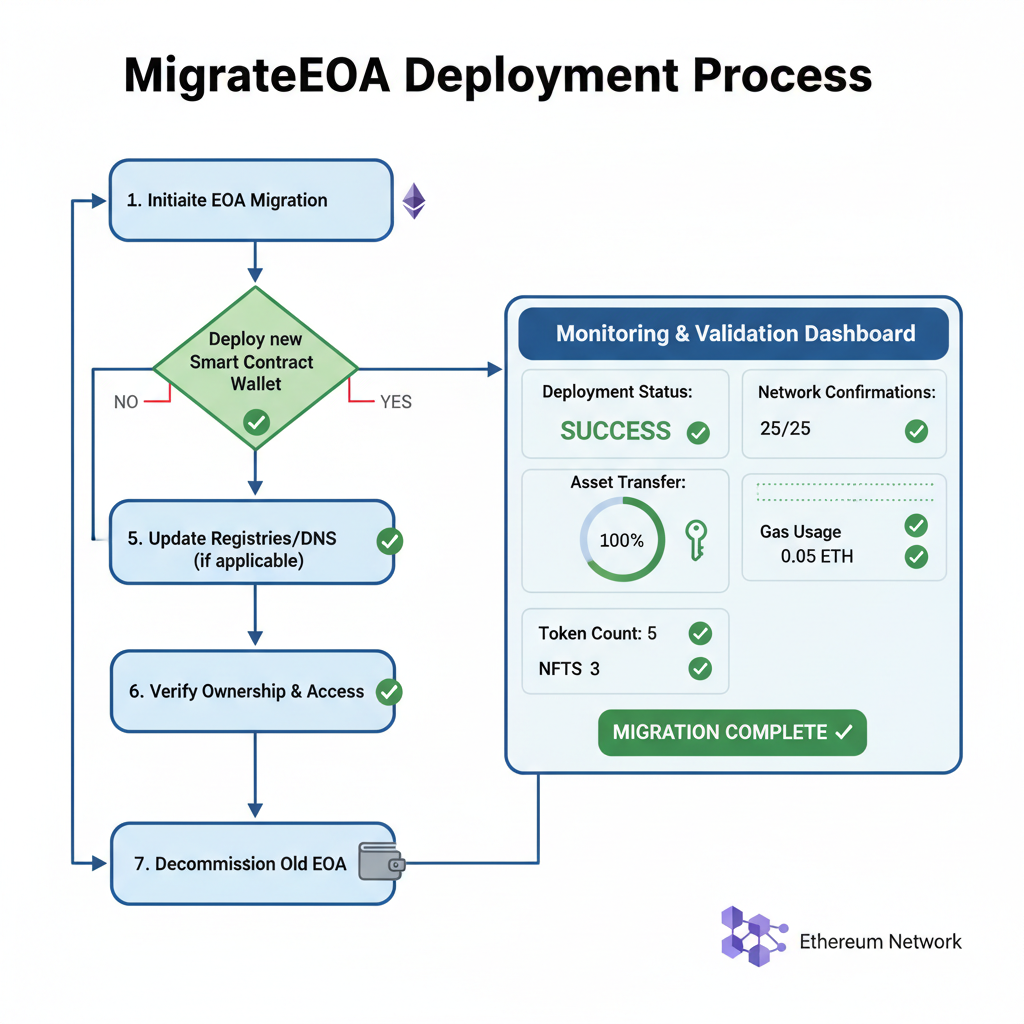
Step 5: Deploy, Monitor, and Scale with Confidence
Finalize via migrateEoa(), incorporating fallback to pure EOA mode for edge cases. This user-centric opt-in rollout minimizes disruption, with integrated analytics tracking 7702 transaction success rates exceeding 99% on testnets, as validated by QuickNode data. Monitor metrics like delegation uptake and gas savings dashboarded in real-time. Roll out progressively: beta to power users, then broad release. Providers report 25% retention lifts post-integration, as unchanged addresses ease adoption amid ETH's steady climb past $2,000.

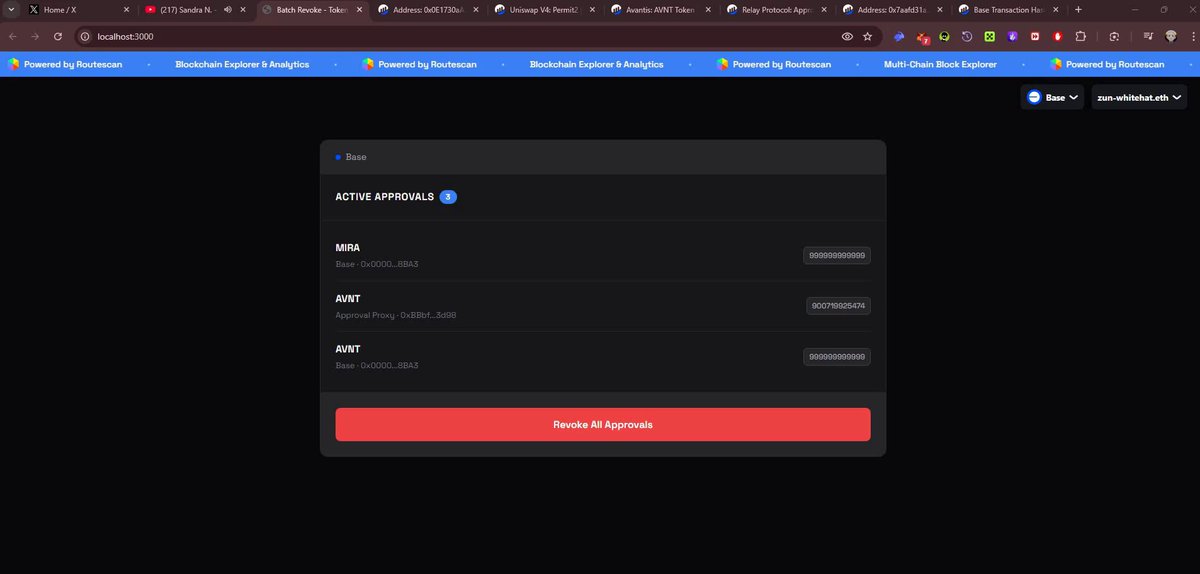
Strategic wallets embed analytics early, correlating upgrades with on-chain volume spikes. Fallback logic proves prescient during network congestion, ensuring resilience. Post-deployment, iterate on user feedback; our SDK's hooks facilitate A/B testing of features like sponsored onboarding.
Mastering these steps positions your wallet as infrastructure bedrock in Web3's next phase. EIP-7702 isn't a feature toggle; it's the bridge from legacy EOAs to scalable smart accounts, fortifying against rivals. With Ethereum at $2,081.25 signaling sustained demand, providers prioritizing EOA to smart account migration capture outsized value. Gelato and Alchemy set precedents, but 7702migration. com's SDK tailors precision for wallets, blending security with velocity. Forward deploy, measure relentlessly, and watch users flock to programmable freedom without friction.




No comments yet. Be the first to share your thoughts!