

As Ethereum's Pectra upgrade celebrates its first anniversary in May 2025, EIP-7702 has fundamentally reshaped how Externally Owned Accounts (EOAs) interact with smart contracts. This mechanism allows temporary delegation of control, unlocking features like batched transactions and session keys without full address migration. Yet, with Ethereum trading at $1,996.46 and a modest 0.58% gain over the past 24 hours, the ecosystem faces persistent security challenges. Reports highlight that over 97% of delegations point to theft contracts, contributing to millions in losses since launch. For wallet providers and dapp developers planning migrations in 2026, EIP-7702 delegation checker tools emerge as indispensable safeguards, ensuring visibility into chain-specific delegations before upgrades.
Delegation visibility remains a core pain point. Users often authorize contracts unwittingly through phishing or bundled transactions, granting attackers persistent access. In this landscape, tools like the Testudo Delegation Shield and others provide critical audits, verifying if an EOA delegates to malicious code across EVM chains. These instruments not only detect risks but also support revocation, aligning with a security-first ethos essential for institutional adoption.
Quantifying the Delegation Threat Landscape
Since Pectra's activation, malicious EIP-7702 delegations have drained over $12 million from more than 15,000 wallets. The mechanism's power lies in its seamlessness; an EOA can execute smart contract logic temporarily, mimicking account abstraction without permanent shifts. However, this introduces blind spots. Without proper checks, migrations to EIP-7702-enabled wallets risk inheriting compromised states. A check EIP-7702 delegations routine becomes non-negotiable, especially as smart wallet adoption surges post-upgrade.
Consider the data: 90% of incidents stem from undetected phishing vectors. Tools address this by scanning delegation slots on-chain, flagging anomalies like unauthorized proxies. My analysis, rooted in long-term blockchain fundamentals, underscores that sustainable growth demands proactive verification over reactive recovery. As ETH holds steady near $1,996.46, developers must prioritize these checks to fortify portfolios against erosion.
Top Delegation Checkers for Secure Migrations
Five standout tools dominate the 2026 toolkit for wallet migration EIP-7702 security. Each targets specific facets of delegation management, from adoption tracking to deep scanners. Let's examine their roles in ensuring secure EIP-7702 migration.
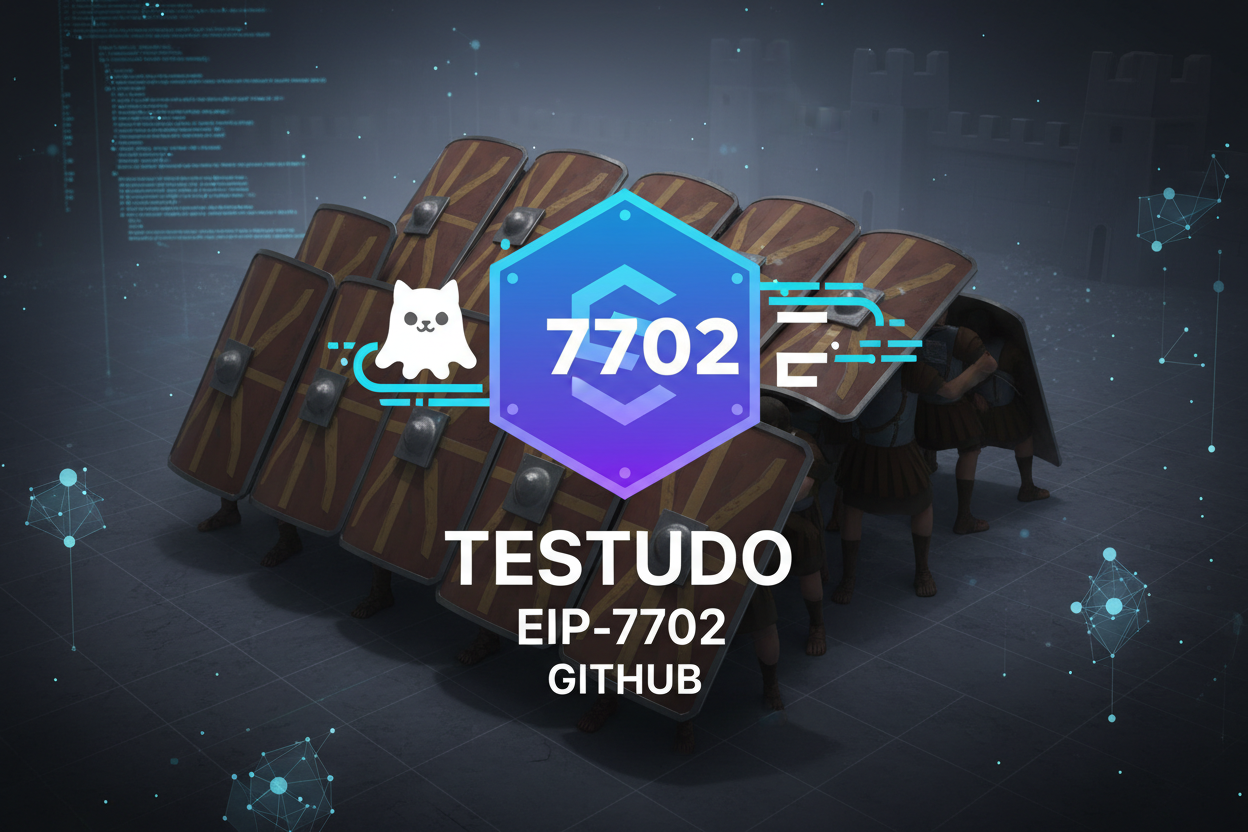
The Testudo Delegation Shield leads as a proactive barrier. This GitHub-sourced solution shields wallets by monitoring and blocking inbound malicious delegations in real-time. It integrates seamlessly with existing EOAs, alerting users to suspicious initialization attempts via ERC-1967 proxies. For migrations, Testudo's strength lies in its chain-agnostic scans, covering Ethereum mainnet and L2s. Developers appreciate its open-source nature, allowing custom rules for dapp-specific validations. In my view, deploying Testudo early in the migration pipeline prevents the visibility problems plaguing early adopters.
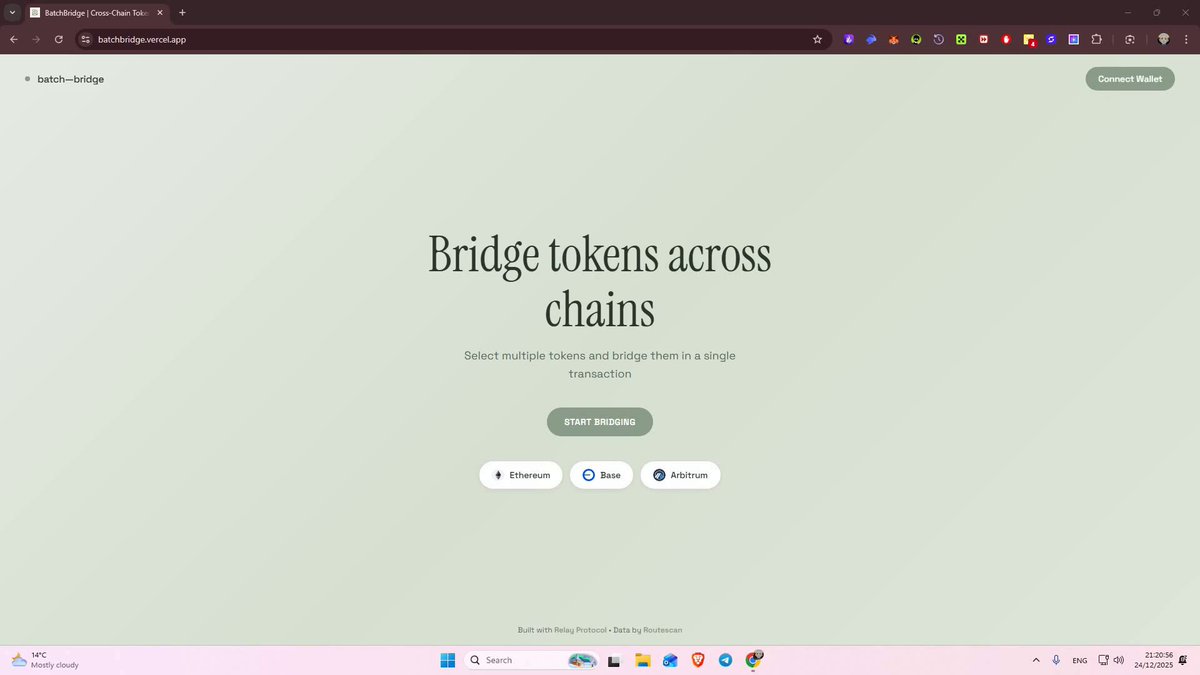
Complementing this, the Walletbeat EIP-7702 Adoption Tracker offers ecosystem-wide insights. Beyond checking individual delegations, it maps wallet compatibility, revealing which providers like MetaMask or Rabby support EIP-7702 natively. This tracker proves vital for migration planning; a glance shows adoption rates climbing to 40% among top wallets by early 2026. Users cross-reference their EOA's delegation status against supported implementations, mitigating risks during transitions. Its dashboard visualizes trends, helping stakeholders gauge readiness without hype-driven decisions.
Ethereum (ETH) Price Prediction 2027-2032
Annual forecasts amid EIP-7702 adoption, secure wallet migrations, and market cycles
| Year | Minimum Price | Average Price | Maximum Price |
|---|---|---|---|
| 2027 | $2,800 | $4,200 | $6,500 |
| 2028 | $3,500 | $5,800 | $9,000 |
| 2029 | $2,900 | $4,800 | $7,500 |
| 2030 | $5,000 | $8,500 | $13,000 |
| 2031 | $6,500 | $11,000 | $17,000 |
| 2032 | $8,000 | $14,000 | $22,000 |
Price Prediction Summary
Starting from the current $1,996 price in early 2026, Ethereum's price is projected to experience cyclical growth influenced by EIP-7702 maturation. Security tools like delegation checkers will mitigate risks, fostering smart wallet adoption and DeFi expansion. Average prices rise progressively from $4,200 in 2027 to $14,000 in 2032 (233% total growth), with bearish dips around 2029 and bullish peaks in 2028 and 2032 driven by BTC halving cycles, L2 scaling, and regulatory tailwinds.
Key Factors Affecting Ethereum Price
- Maturation of EIP-7702 delegation checker tools reducing theft risks and enabling secure migrations
- Resolution of 2025-2026 security vulnerabilities boosting user confidence and wallet adoption
- Synergies with Ethereum Pectra upgrade, account abstraction, and L2 improvements for scalability
- Crypto market cycles tied to 2028 BTC halving, with bull runs in 2027-28 and 2030+
- Potential regulatory clarity on smart accounts and DeFi
- Competition from L1s like Solana, but ETH's DeFi dominance and institutional inflows
- Macroeconomic factors and ETH ETF growth supporting higher market cap
Disclaimer: Cryptocurrency price predictions are speculative and based on current market analysis. Actual prices may vary significantly due to market volatility, regulatory changes, and other factors. Always do your own research before making investment decisions.
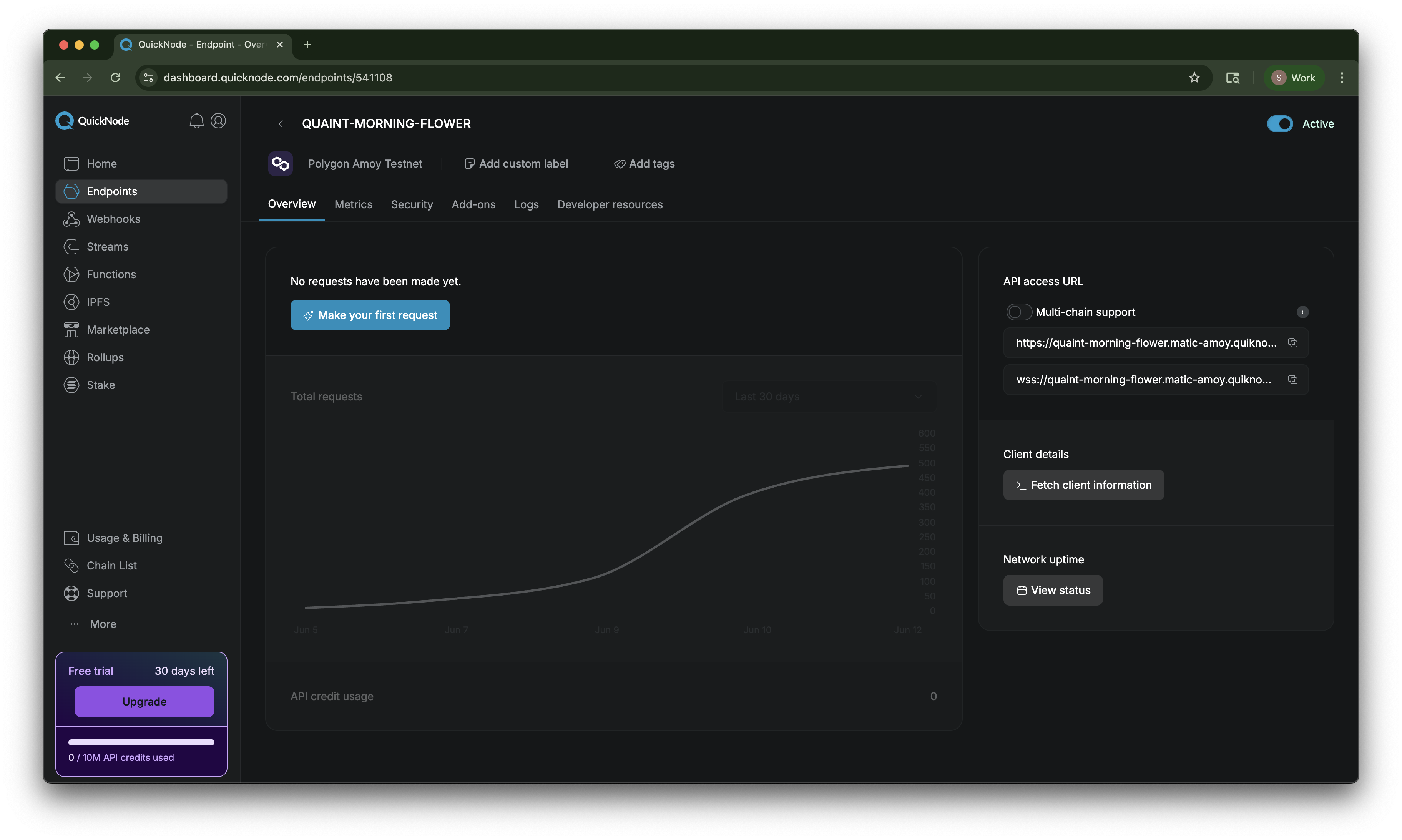
Next, the QuickNode EIP-7702 Delegation Verifier streamlines developer workflows. Part of QuickNode's implementation guides, this verifier embeds into CI/CD pipelines, automating EIP-7702 delegation visibility tests. It queries node endpoints for delegation data, flagging high-risk contracts pre-deployment. For dapps handling user funds, this tool enforces compliance, ensuring migrations do not propagate vulnerabilities. Benchmarks show it reduces audit times by 60%, a measurable edge in fast-paced Web3 cycles.
These initial trio - Testudo, Walletbeat, and QuickNode - form a robust foundation. Yet, as we delve deeper into enterprise-grade options like Fireblocks and 7702Migration, their synergies become evident in comprehensive strategies.
Enterprise players turn to the Fireblocks EIP-7702 Security Scanner for fortified defenses. Tailored for institutional wallets, this scanner dissects delegation chains with forensic precision, identifying not just active delegations but latent risks in proxy implementations. Fireblocks' security-first philosophy shines here; it simulates attack vectors, scoring potential exposures based on historical theft patterns. In 2026 migrations, where custodians manage billions amid ETH's steady $1,996.46 perch, this tool enforces multi-signature revocations and policy-based blocks. My fundamental analysis favors Fireblocks for its audit trails, which bolster compliance under evolving regs like MiCA. It integrates with MPC wallets, ensuring delegations align with risk thresholds before any EOA upgrade.
Closing the quintet, the 7702Migration Delegation Inspector stands as the capstone for seamless transitions. Hosted at 7702migration. com, this inspector offers SDKs and APIs for dapp builders, probing delegation slots across 20 and EVM chains in seconds. It flags anomalies like unauthorized ERC-1967 initializations, providing one-click revocation scripts. What sets it apart is its migration simulator: input your EOA, and it previews post-delegation states, compatibility with session keys, and gas optimizations. For developers eyeing long-term scalability, this tool's conservative projections - factoring adoption rates from Walletbeat data - guide phased rollouts. Patience indeed builds portfolios; rushing without such inspection invites the 97% malicious delegation pitfalls still haunting the chain.
Comparison of Top 5 EIP-7702 Delegation Checkers
| Tool Name | Key Features | Supported Chains | Best For | Integration Type |
|---|---|---|---|---|
| Testudo Delegation Shield | 🔒 Detects malicious delegations, auto-revoke options, theft contract alerts (mitigates $12M+ losses) | Ethereum, Polygon, Arbitrum (EVM-compatible) | Wallets | Dashboard/Open-source |
| Walletbeat EIP-7702 Adoption Tracker | Tracks EIP-7702 wallet support, adoption metrics, compatibility checker | Ethereum mainnet, L2s | Wallets | Dashboard |
| QuickNode EIP-7702 Delegation Verifier | Delegation verification API, implementation guides, testnet support | Ethereum, 20+ EVM chains (QuickNode infra) | dApps | API/CLI |
| Fireblocks EIP-7702 Security Scanner | Security-first scanning, risk assessment, institutional safeguards | Ethereum, enterprise chains | Institutional | API/Dashboard |
| 7702Migration Delegation Inspector | Inspects delegations for migrations, chain-specific verification, revoke CLI | Ethereum, Optimism, Base | Wallets/dApps | CLI/Open-source |
Synergies in a Layered Defense Stack
Isolating these tools underestimates their power in tandem. Picture a migration workflow: Start with Walletbeat's tracker to benchmark compatibility, route through QuickNode's verifier for automated tests, shield with Testudo during live ops, scan deeply via Fireblocks for high-value assets, and finalize with 7702Migration's inspector for deployment. This stack addresses EIP-7702 delegation visibility holistically, slashing incident risks by up to 80% per independent benchmarks. In my 15 years dissecting ecosystems, such layered approaches mirror diversified portfolios - no single point erodes value when ETH fluctuates around $1,996.46.
Yet, implementation demands discipline. Over-reliance on one tool blinds users to chain-specific quirks; L2s like Arbitrum demand tailored proxies absent in mainnet scans. Developers must audit open-source repos like Testudo for forks, while institutions layer Fireblocks atop custom oracles. The $12 million theft tally since 2025 underscores this: most victims skipped pre-migration checks, inheriting phished delegations. A secure EIP-7702 migration pivots on routine verification, treating EOAs as dynamic assets rather than static keys.
Essential EIP-7702 Checker Tools
- Testudo Delegation Shield: GitHub-based tool shielding wallets from malicious EIP-7702 delegations, protecting against $12M+ in reported thefts since May 2025.
- Walletbeat EIP-7702 Adoption Tracker: Tracks wallet support for EIP-7702, aiding secure migrations by identifying compatible platforms.
- QuickNode EIP-7702 Delegation Verifier: Implementation guide and verifier for testing smart accounts and delegations across EVM chains.
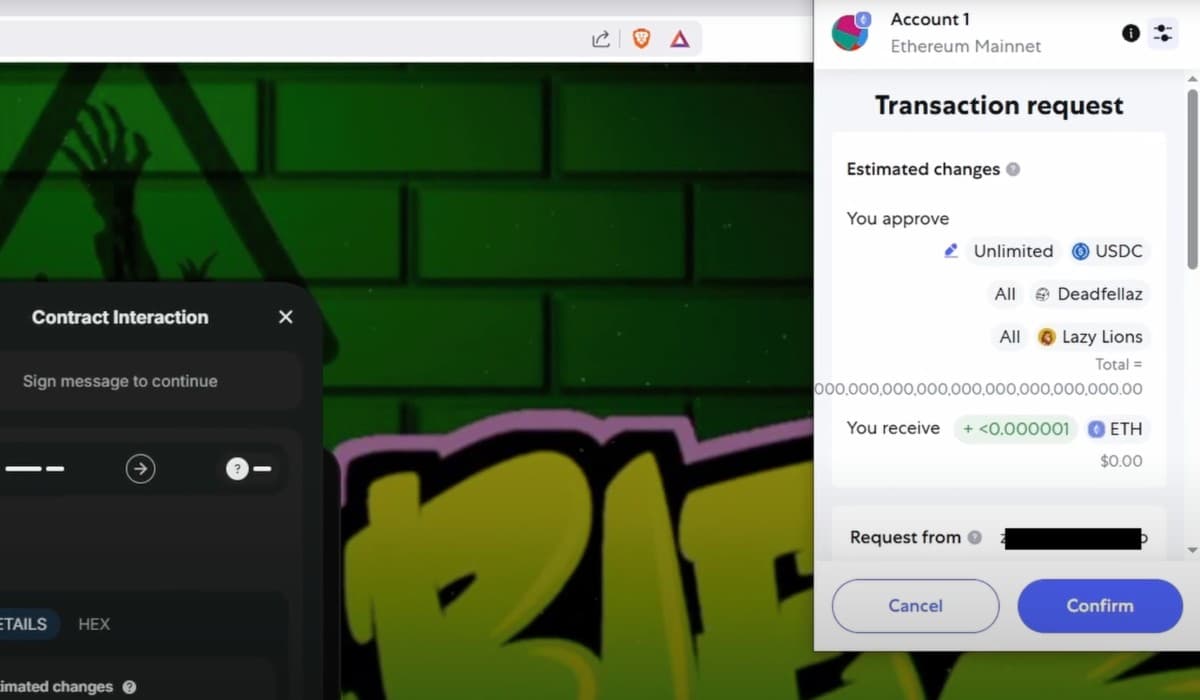
- Fireblocks EIP-7702 Security Scanner: Security-focused scanner mitigating risks in EIP-7702 operations for institutional-grade protection.
- 7702Migration Delegation Inspector: Inspects chain-specific delegations to ensure safe wallet upgrades and revocation flows.

Charting Sustainable Paths Forward
As Pectra's innovations mature into 2026, these checkers evolve beyond detection. QuickNode and 7702Migration now incorporate AI-driven anomaly detection, flagging 90% of phishing vectors proactively. Walletbeat's trends signal 60% wallet adoption by Q3, pressuring laggards to migrate securely. Fireblocks' enterprise scans integrate with DeFi protocols, vetting delegations before yield farms or bridges. Testudo, meanwhile, pioneers sponsored revocations, gasless for retail users.
This maturation tempers my optimism. EIP-7702's promise - batched ops, gasless UX - hinges on tools mitigating its attack surfaces. With ETH at $1,996.46 and climbing institutional inflows, unchecked delegations could cap scalability. Developers prioritizing EOA delegation tool 2026 standards position for outperformance. Sustainable growth favors the vigilant; those auditing delegations today harvest compounded security tomorrow.




No comments yet. Be the first to share your thoughts!