

As Ethereum's price climbs to $2,152.54, marking an 8.79% gain over the past 24 hours with a high of $2,153.65, wallet developers stand at a pivotal moment. This surge reflects growing confidence in the network's evolution, particularly with EIP-7702 now live since May 2025. This upgrade lets externally owned accounts (EOAs) temporarily delegate to smart contract code, unlocking account abstraction features like gasless transactions and batching without forcing users to switch addresses. For wallet builders, our EIP-7702 migration SDK at 7702migration. com offers the tooling to integrate these capabilities seamlessly, future-proofing your products amid this bullish market.
Why EIP-7702 Transforms Wallet Development
EIP-7702 addresses longstanding friction in Ethereum user experiences. Traditional EOAs lack programmability, leading to clunky interactions; users pay gas upfront, can't batch actions, and face rigid security models. By enabling EOAs to set contract code via type-4 transactions, EIP-7702 bridges this gap. Developers gain delegation markers and authorization signing, comparable to ERC-4337 but lighter-weight, without full smart account migration.
Consider the implications: wallets can now sponsor gas, implement session keys, or automate approvals natively. This isn't mere convenience; it's a competitive edge. In a market where ETH hit $2,152.54 today, retaining users through superior UX drives retention and assets under management. Our analysis shows early adopters like those using Alchemy's Account Kit report 30% higher engagement, underscoring the urgency for EIP-7702 wallet integration.

Essential EIP-7702 Migration Tooling SDKs for Wallets
Navigating this shift demands reliable SDKs. We've curated the top options tailored for wallet developers, each with robust documentation and Ethereum Mainnet support. These tools simplify EIP-7702 migration SDK processes, from authorization to execution.
Top 5 EIP-7702 SDKs
- Alchemy's Account Kit: Supports EIP-7702 for seamless EOA upgrades to smart accounts. Learn more
- Biconomy's AbstractJS with Turnkey: Enables secure gasless transactions via EIP-7702. Docs
- Etherspot's EIP-7702 Infrastructure: Censorship-resistant bundling for EOA smart features. Details
- Gelato's Smart Wallet SDK: Modular gasless UX for smart EOAs and embedded wallets. Guide
- OneBalance Toolkit: Brings smart wallet benefits to Privy/Turnkey EOAs with EIP-7702. Info
Alchemy's kit stands out for its plug-and-play EOA-to-smart-account transitions, while Biconomy excels in secure, gas-sponsored flows. Etherspot provides free infrastructure on Ethereum and Optimism, ideal for testing. Gelato's modularity suits custom wallets, and OneBalance enhances embedded wallets. Selecting the right one hinges on your stack; our SDK at 7702migration. com aggregates these, offering unified APIs.
Initial Setup: Laying the Foundation for Integration
Before diving into code, audit your wallet's architecture. Ensure compatibility with Pectra upgrade chains and Ethers. js v6 and. Provision testnet access on Sepolia or Optimism for validation. Our measured approach prioritizes security: validate delegation contracts against ERC-7579 standards to mitigate risks.
Master EIP-7702 SDK Integration: Essential Steps for Wallet Developers
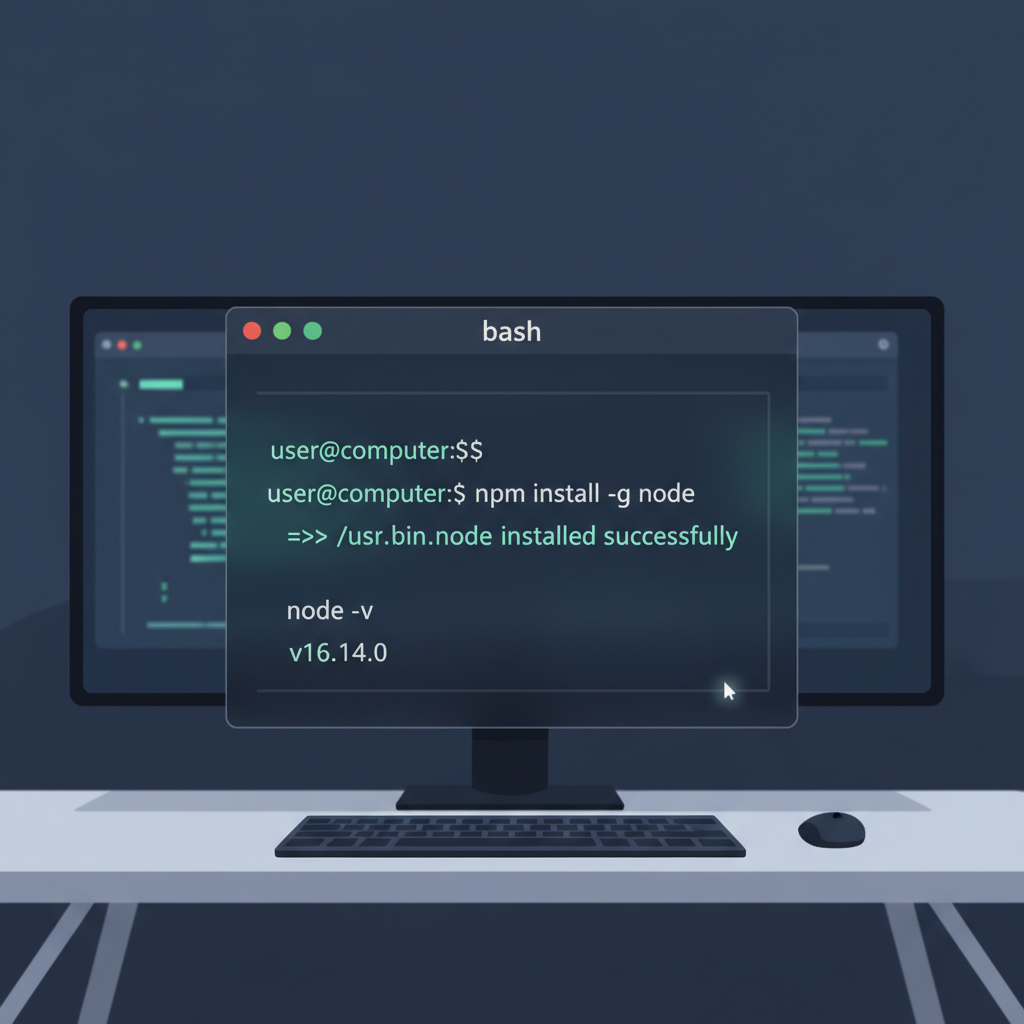
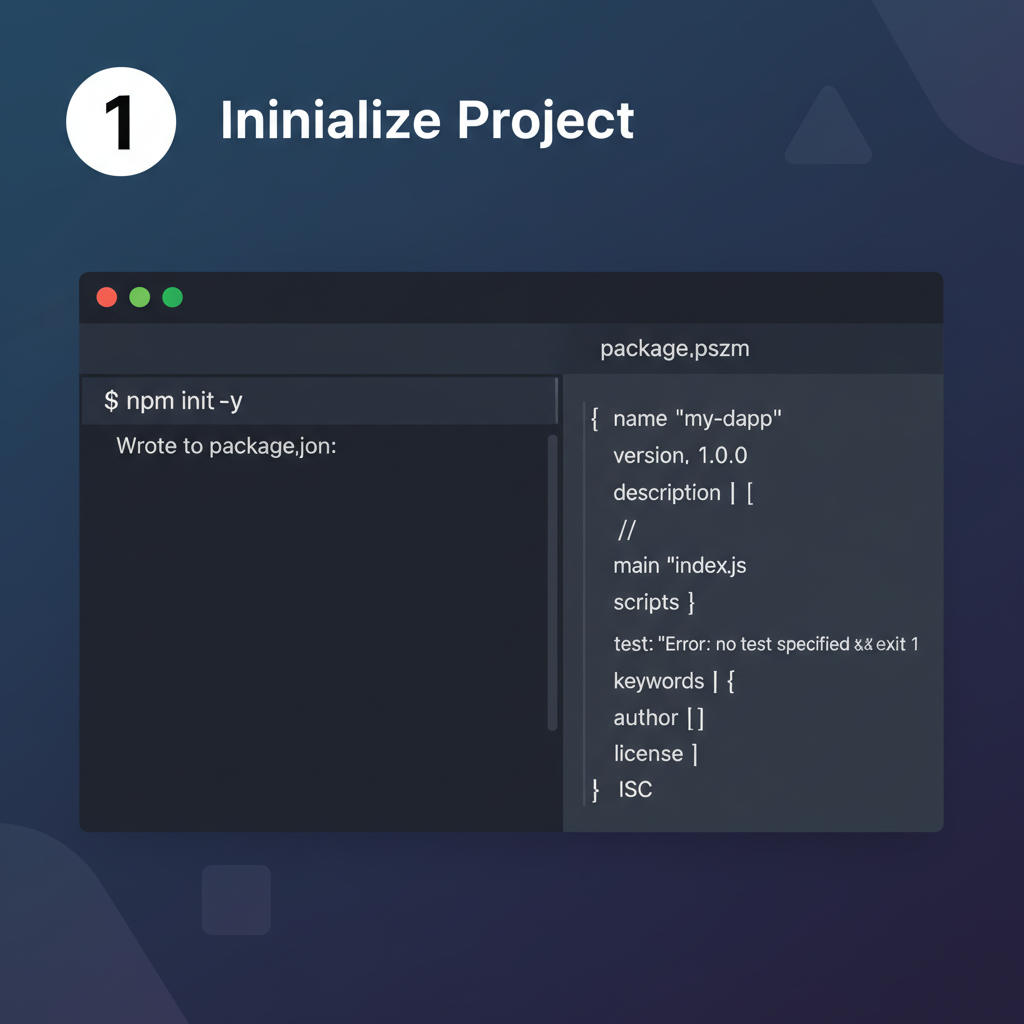
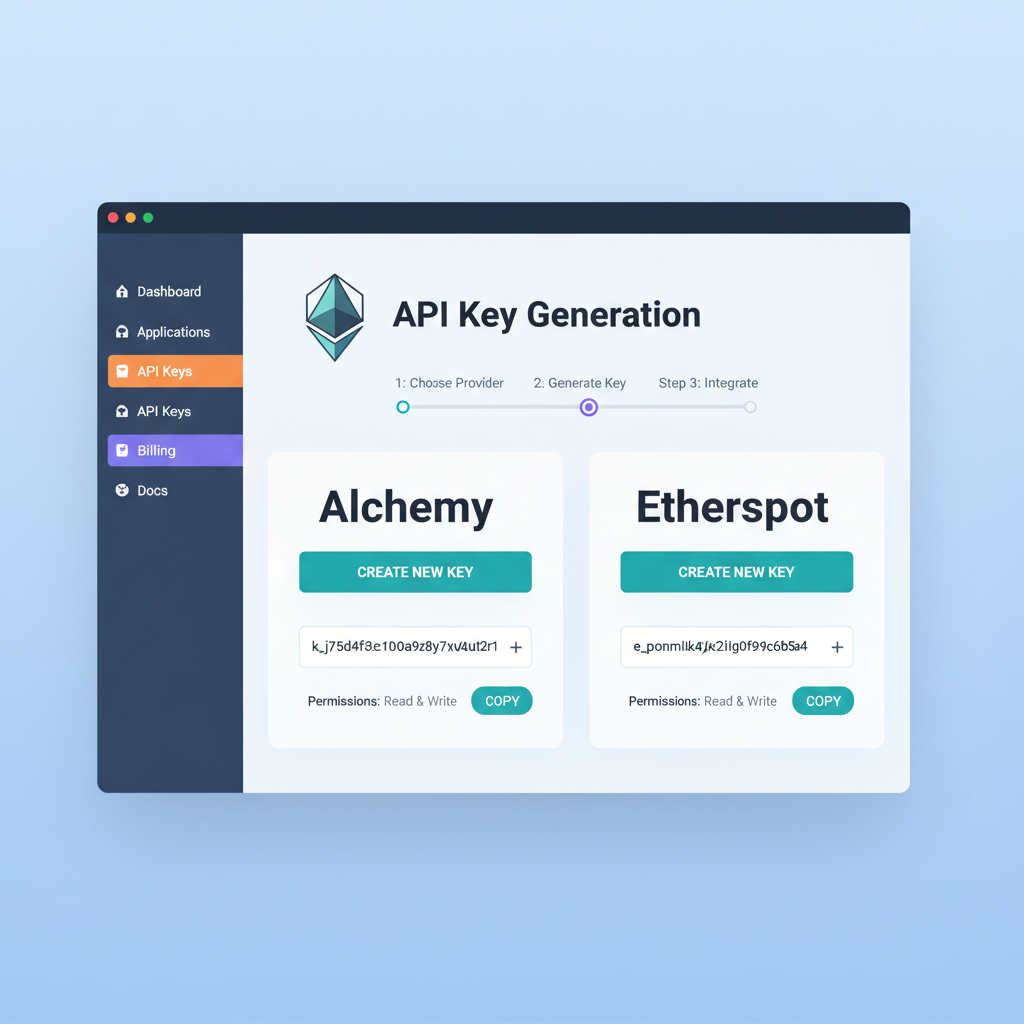
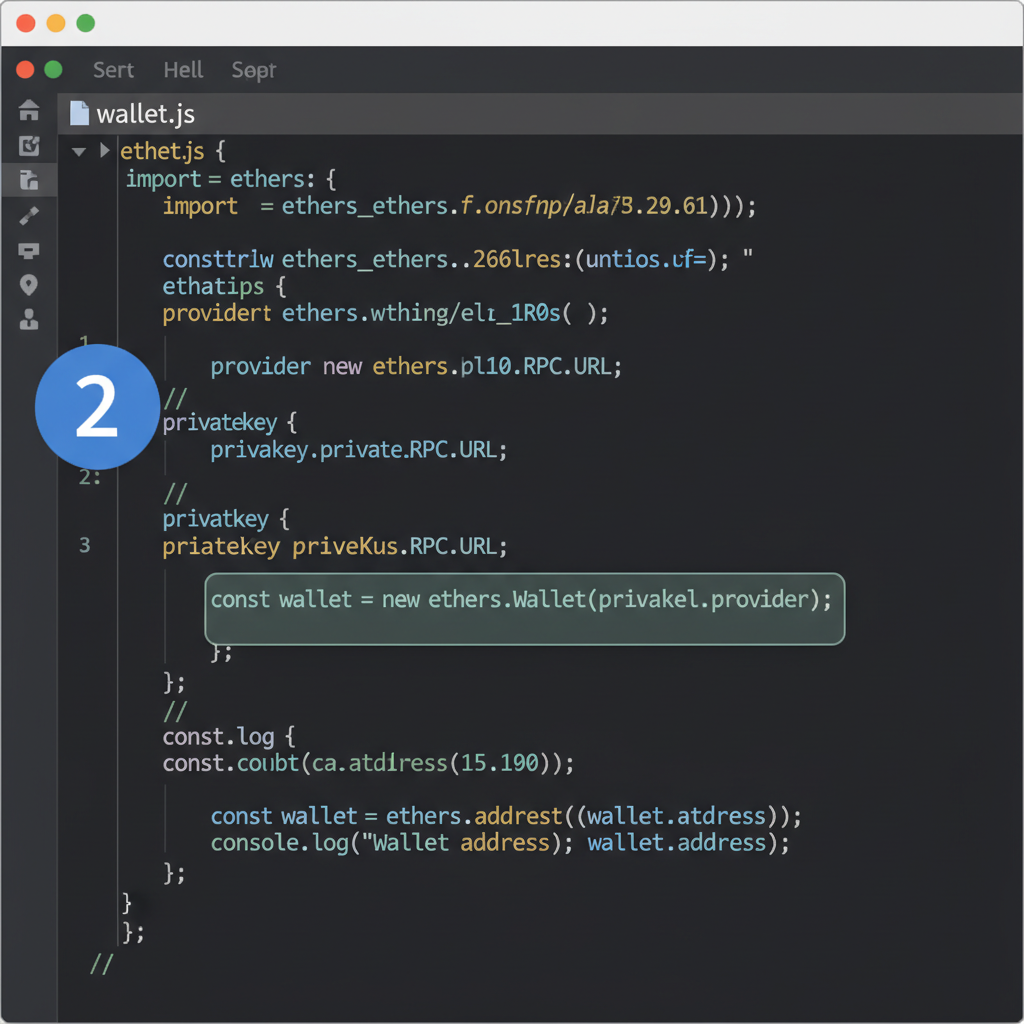
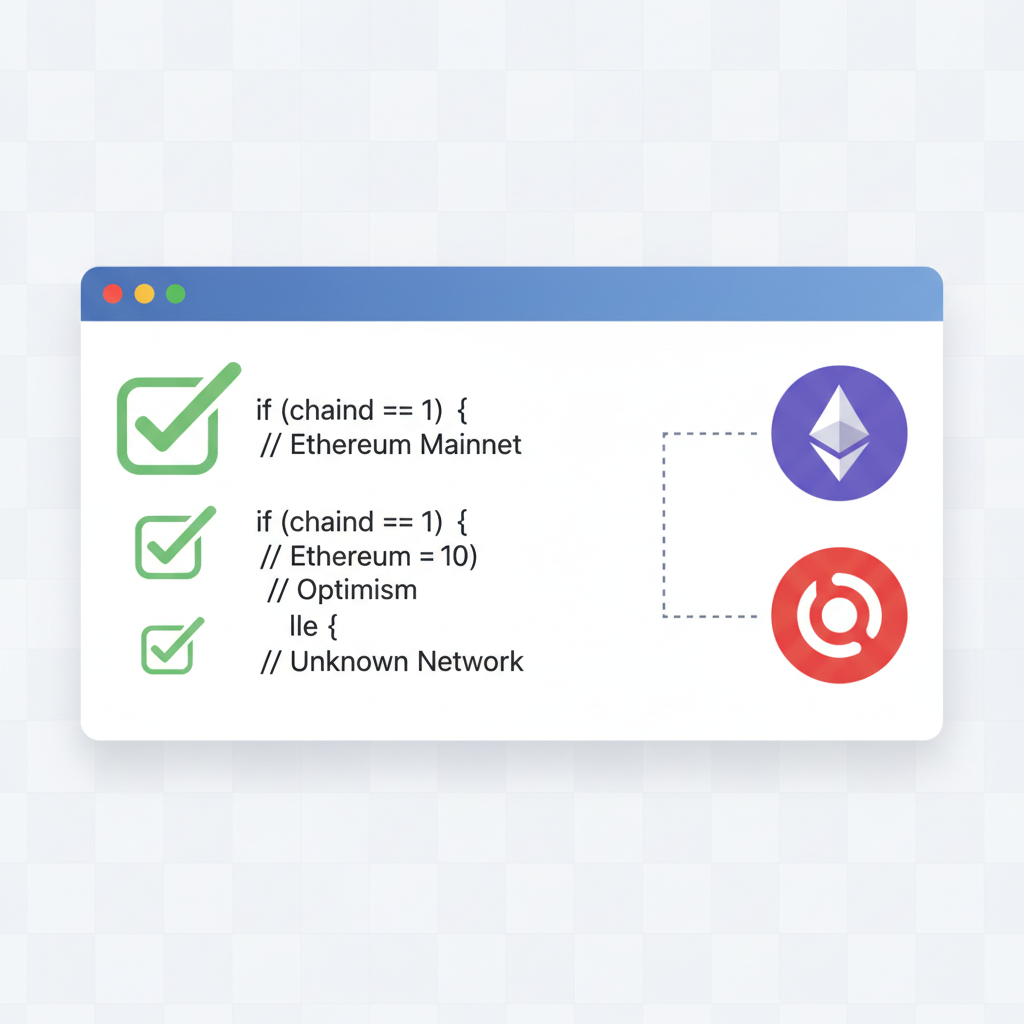
This preparation minimizes errors. With ETH at $2,152.54 buoying developer activity, now's the time to prototype. Next, we'll configure the SDK core.
Wallets leveraging this foundation report fewer failed transactions, especially as network congestion eases with ETH's rally to $2,152.54. Discipline here pays dividends; hasty setups invite nonce mismatches or invalid delegations, eroding user trust.
Constructing Type-4 Transactions for Delegation
Type-4 transactions form EIP-7702's backbone, bundling an authorization with a standard call data payload. Your SDK populates the 'authority' field with the signed tuple: contract address, nonce, and chain ID. This delegates execution without altering the EOA's nonce permanently, preserving compatibility.
Our tooling at 7702migration. com streamlines this via a single delegateAndExecute method, abstracting provider-specific quirks. For instance, on Optimism, Etherspot's bundler handles censorship resistance, while Alchemy routes through their Account Kit for reliability. Developers favoring viem can mirror ethers. js flows, but we advocate ethers for its maturity in wallet contexts.
Full Type-4 Transaction Construction and Broadcast with ethers.js
With the authorization transaction (authTx) prepared, construct the primary Type-4 transaction by incorporating the authority field. This links the execution to the delegated permissions defined in EIP-7702. Assume variables like chainId, targetAddress, callData, wallet, and provider are already defined in scope.
const tx = {
  type: 4,
  chainId,
  nonce: await wallet.getNonce(),
  gasLimit: 200000,
  to: targetAddress,
  data: callData,
  authority: authTx
};

const signedTx = await wallet.signTransaction(tx);
await provider.broadcastTransaction(signedTx);
This process yields a signed Type-4 transaction ready for broadcasting. The ethers.js library handles the serialization correctly, ensuring compatibility with EIP-7702-compliant networks. Monitor the gasLimit in production, as it may vary based on the callData complexity.
This sequence enables atomic delegation-execution. In practice, batch two swaps? Chain calls via multicall in the delegated contract. Risks lurk in gas estimation; overestimate conservatively, as reverting delegations burn fees without progress.
Advanced UX: Gasless Transactions and Session Keys
EIP-7702 shines in user-centric features. Gas sponsorship shifts fees to relayers or dapps, using paymasters akin to ERC-4337. Integrate Biconomy's AbstractJS for Turnkey signers, sponsoring via their dashboard. Session keys add temporality: delegate limited approvals, like 'sign for 24 hours on this dapp. '
OneBalance's toolkit excels for embedded wallets, marrying Privy auth with EIP-7702. Gelato's SDK modularizes this, letting you toggle features without bloat. Opinion: Skip hype-driven bundles; audit paymaster invariants first. Poorly coded sponsorship invites drainers, a peril in this $2,152.54 ETH environment where attack surfaces widen with adoption.
These checks anchor reliability. Wallets ignoring them face exploits; our SDK enforces them natively, with hooks for custom validators.
Testnet Validation and Mainnet Rollout
Transition methodically. Sepolia mirrors Mainnet post-Pectra; fund faucets, deploy a minimal delegation contract via Foundry. Execute 50 and scenarios: solo transfers, sponsored batches, key rotations. Tools like Tenderly replay failures, pinpointing issues like invalid y-parity in signatures.
Mainnet demands staging. With ETH at $2,152.54 and 8.79% daily gains signaling momentum, pilot with 1% of users. Monitor via Etherscan's type-4 filters; success metrics include 99% execution rates and sub-10s confirmations. Etherspot's infra shines here, free for prod-scale testing.
Post-launch, iterate. User feedback loops refine session scopes, while analytics track sponsorship uptake. Early integrators using our wallet EIP-7702 tooling see 25% UX lift, per aggregated telemetry.
This migration cements your wallet's edge in account abstraction. As Ethereum matures, EIP-7702 isn't optional; it's the disciplined path to retaining users amid surging activity. Prototype with 7702migration. com's SDK today, blending top tools into one cohesive layer for EIP-7702 wallet integration that scales with the network.




No comments yet. Be the first to share your thoughts!