

In the volatile world of Ethereum, where ETH trades at $1,969.88 amid a subtle 24-hour dip of $-8.56, wallet providers face a pivotal choice: cling to legacy EOAs or leap into account abstraction. EIP-7702, activated via the Pectra hardfork in May 2025, flips the script. It empowers existing EOAs to tap bundler support for batched transactions and gas sponsorship without the upheaval of full smart account migration. This EIP-7702 bundler integration preserves addresses and funds, slashing user friction while unlocking ERC-4337-like perks. For dapp builders eyeing derivative protocols, it's a volatility hedge - amplifying opportunities without redeploying capital.

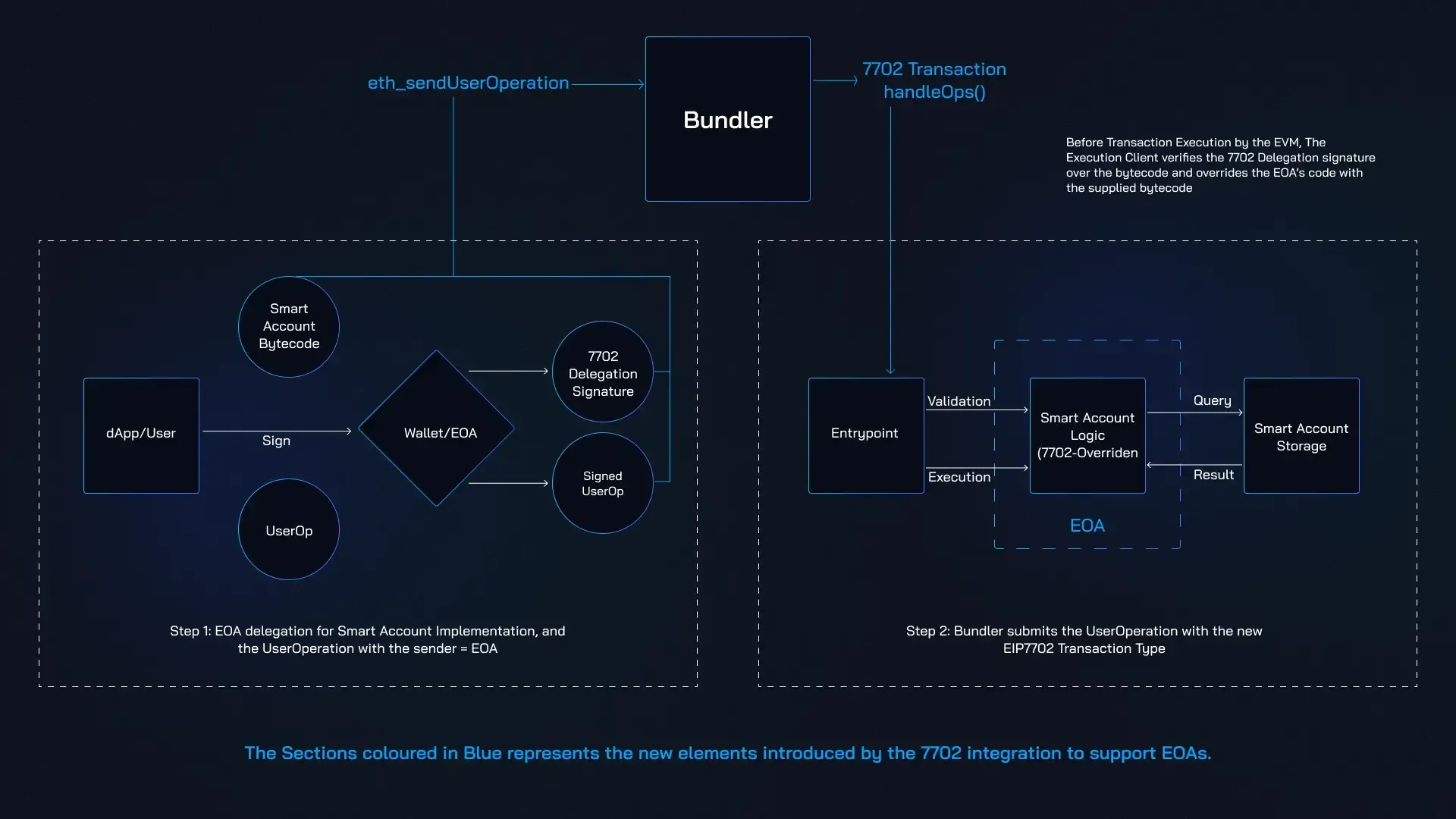
Traditional EOAs shine in simplicity but falter under DeFi's complexity: single tx limits, no sponsorships, vulnerability to phishing. Bundlers, core to ERC-4337, aggregate user ops into bundles, slashing gas and enabling paymasters. EIP-7702 bridges this via type-4 transactions, where EOAs sign authorizations delegating code execution to smart contracts temporarily. No permanent code attachment; just per-tx delegation markers. This EOA delegation bundler dance means wallets gain programmability on-demand, ideal for high-frequency trading bots or options vaults.
Strategic Edge: Why Prioritize Bundler Integration Now
With Ethereum's ecosystem maturing post-Pectra, ignoring bundlers risks obsolescence. Platforms like Candide's Voltaire Bundler and Biconomy's Nexus already bundle EIP-7702 ops, sponsoring gas for seamless UX. Alchemy's Modular Account v2 and OneBalance Toolkit extend this to embedded wallets, no address churn required. For derivative dapps, bundlers mean batched option settlements - think volatility plays executed in one bundle, dodging MEV pitfalls. My trading lens sees this as options amplification: leverage bundler efficiency to compound yields without EOA drag.
EIP-7702 Bundler Benefits
- Transaction Batching: Bundle multiple operations into a single tx via ERC-4337 bundlers, slashing gas fees and streamlining UX without EOA changes.
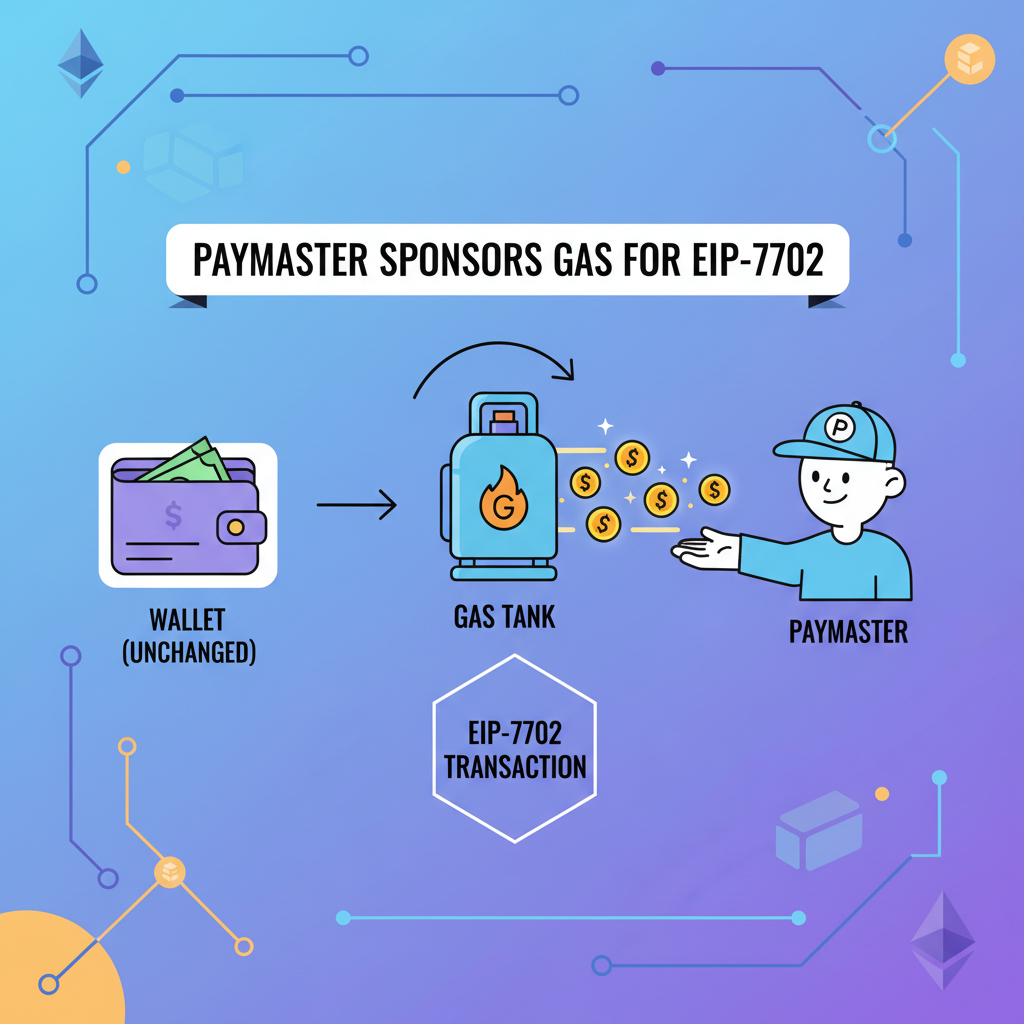
- Gas Sponsorship: Leverage paymasters for third-party gas coverage, enabling sponsor-paid txs on platforms like Candide's InstaGas.
- Enhanced Security: Delegate to smart contracts for features like social recovery and spending limits, retaining EOA address integrity.
- No Migration Needed: Upgrade EOAs temporarily—no fund transfers or address changes, as in Alchemy Modular Account v2.
- ERC-4337 Compatibility: Full integration with existing bundlers like Biconomy Nexus, bridging legacy EOAs to AA infrastructure.
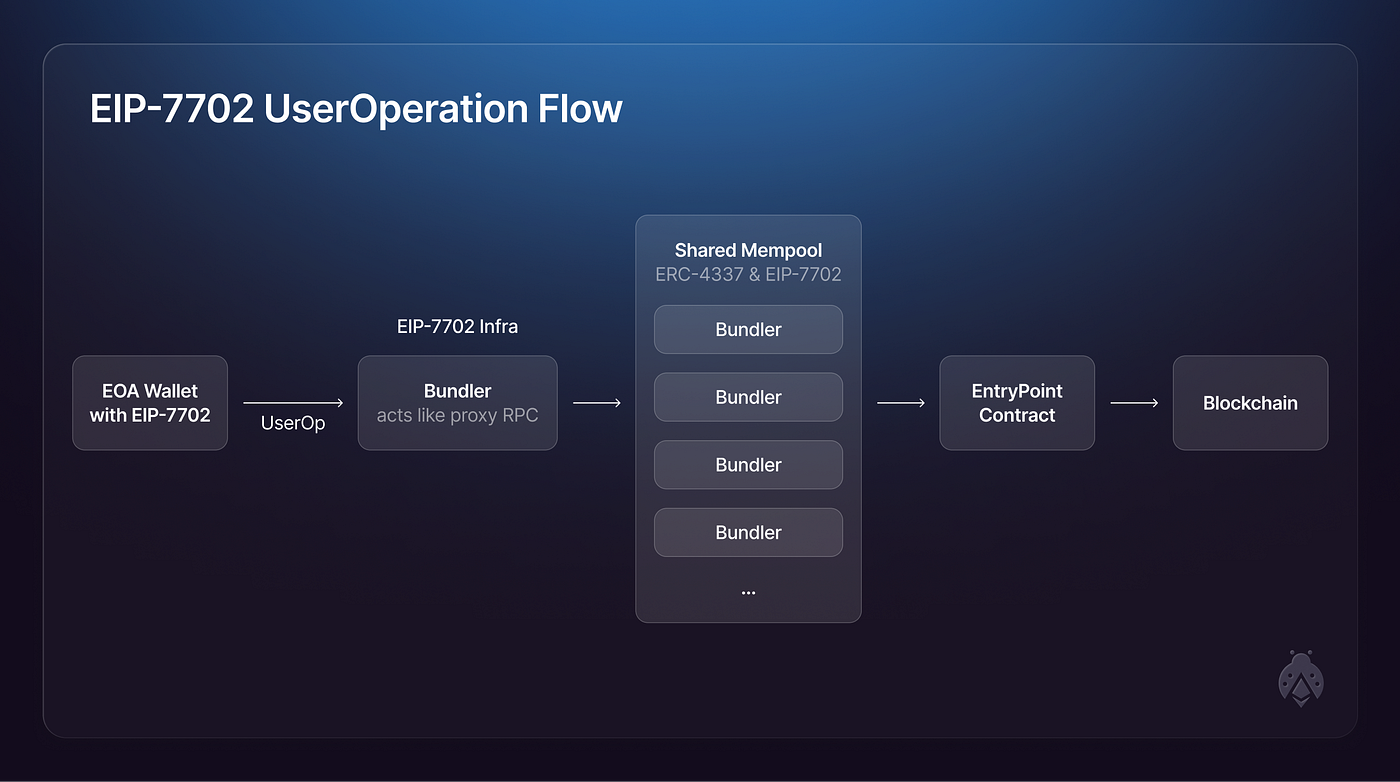
Core Mechanics of EIP-7702 Wallet Migration
Dive into the protocol: an EOA crafts a type-4 tx with a delegation field pointing to contract code and a signature authorizing it. Bundlers validate this auth, execute via EntryPoint (ERC-4337 style), and post bundles. Privy's integration exemplifies: EOAs set code transiently, inheriting smart features. Rhinestone's Smart EOAs ensure chain abstraction without wallet swaps. Key: delegations are revocable, checked via tools like the EIP-7702 Delegation Checker. This setup fortifies against replay attacks, crucial for EIP-7702 gas sponsorship wallets.
Platform Showdown: Bundler-Ready Tools for EOAs
Survey the landscape. Candide's AbstractionKit bundles Voltaire ops; Startale's SCS turns EOAs smart per-tx. Remix IDE post-Pectra supports connected EOAs natively.
Rock'n'Block unpacks type-4 vs ERC-4337: EIP-7702 slims delegation over full UserOps. HackerNoon stresses dev docs for infrastructure plug-in. For dapps, this means derivative protocols batch IV skew hedges, gasless for retail. Opinion: in a $1,969.88 ETH market, bundler latency wins trades - delay costs basis points.
Traders know timing is everything; bundlers compress execution windows, turning microsecond edges into profitable spreads. As ETH holds steady at $1,969.88, with a 24-hour low of $1,968.58, low-latency bundling becomes a competitive moat for derivative dapps handling options flows.
Hands-On: Implementing Bundler Support Step-by-Step
Strategic EIP-7702 EOA Migration: Seamless Bundler Integration Without Address Changes
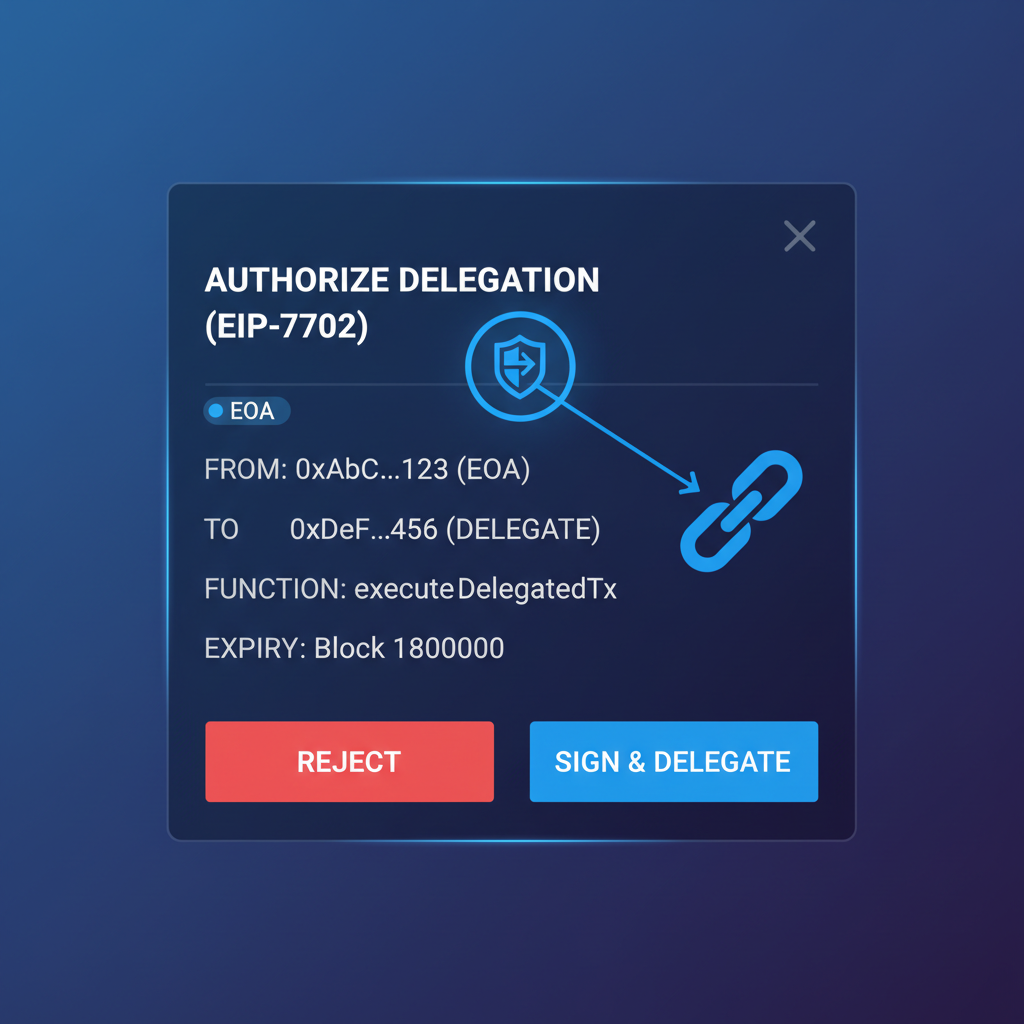

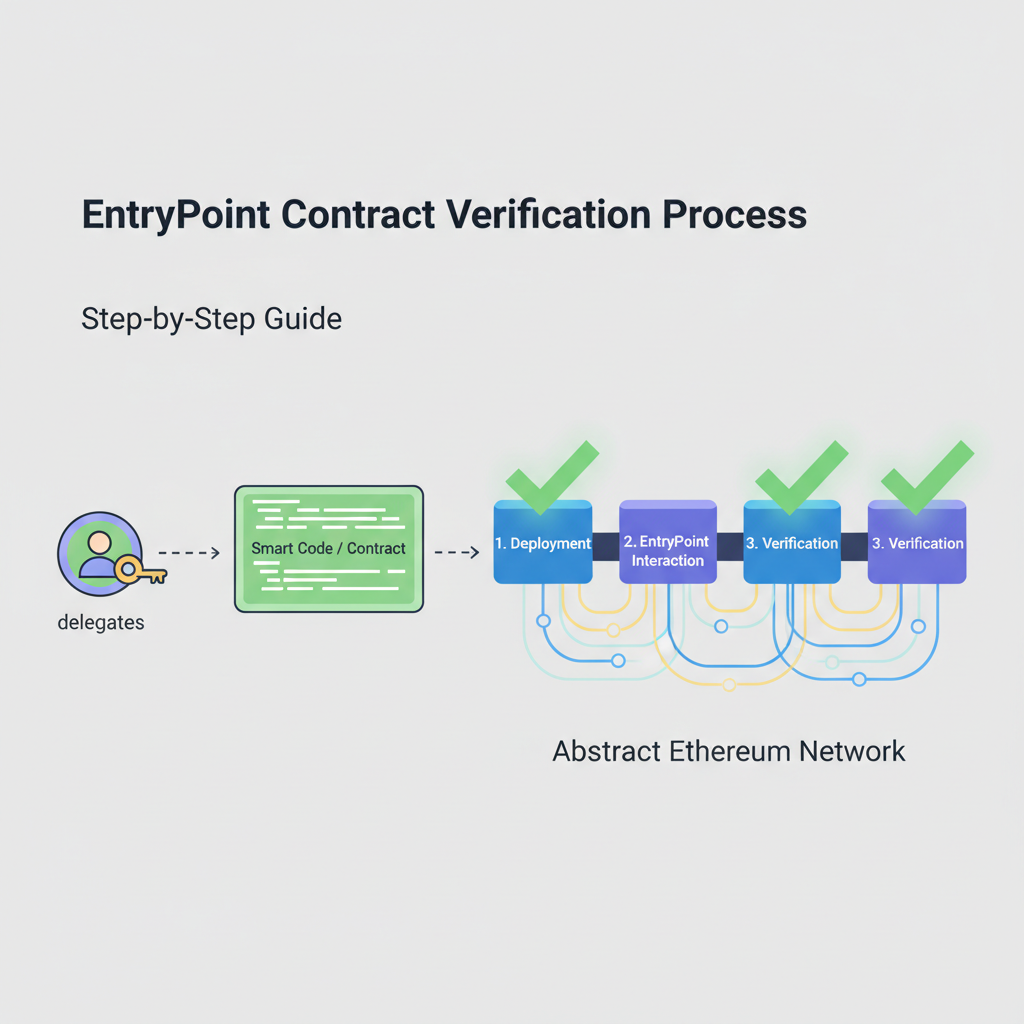
Wallet devs start by integrating 7702migration tooling SDK, which abstracts the delegation handshake. Generate the authorization: pack chainId, nonce, and target contract into a struct, EOA-sign it. Submit as UserOp to a compatible bundler like Candide's Voltaire. The bundler simulates, pays gas if sponsored, and bundles onward. Post-execution, query the Delegation Checker for audit trails. This flow mirrors ERC-4337 but leverages EOA keys natively, sidestepping kernel upgrades.
Security layers matter. Delegations expire or revoke via new auths, preventing stale code runs. For EIP-7702 gas sponsorship wallets, paymasters front gas, refunded post-success. Biconomy's Nexus shines here, modular for custom hooks like signature aggregation. In practice, test on Pectra-enabled testnets; Remix IDE's updated docs guide connected EOA deploys.
Risks, Revocations, and Resilience
No migration lacks pitfalls. Delegation frontrunning? Mitigate with nonce sequencing and sim-only validation. Phishing vectors amplify if users sign blindly; educate via UX prompts. Volatility traders face bundle reordering - prioritize MEV-resistant bundlers. OneBalance Toolkit embeds safeguards for Privy wallets, chain-abstracting across L2s without EOA swaps.
- Revocation primacy: Always allow instant auth revocation, checked pre-bundle.
- Simulation mandates: Bundlers must simulateUserOp to catch reverts.
- Checker tools: Routine scans via EIP-7702 Delegation Checker flag rogue delegations.
These protocols harden EOAs against exploits, blending EOA speed with smart account depth. Reza Hedayati's analysis nails it: EIP-7702 democratizes programmability, every wallet a potential vault.
Derivative Plays: Bundlers in Options and Volatility Protocols
From my nine years straddling technicals and vols, EIP-7702 bundlers rewrite dapp economics. Batch option rolls, gamma scalps, and straddle adjustments into single bundles - gas drops 70%, frontrunning shrinks. Gasless entry lowers barriers for retail punters chasing ETH's $1,969.88 consolidation. Imagine a protocol hedging IV crush: EOA delegates to a settlement contract, bundler pays gas, yields compound sans migration drag.
Alchemy Account Kit v2 exemplifies: upgrade EOAs to modular accounts, bundler-ready out-of-box. Rhinestone's stack adds session keys for headless trading bots, perfect for 24/7 vol arb. Startale's SCS docs outline per-tx upgrades, no address churn. For dapps, this means liquidity sticks, users stay, TVL climbs.
Options amplify opportunities - bundlers amplify options.
Scale hits at adoption. Post-Pectra, 2026 sees EIP-7702 as table stakes. Fluentlabs' GitHub repo details tx type-4 payloads; integrate once, bundle forever. Candide's full-stack play - bundler, paymaster, SDK - accelerates wallet EIP-7702 migration for providers eyeing DeFi dominance.
Providers ignoring this lag. Legacy EOAs cap UX at vanilla sends; bundler-equipped ones sponsor swaps, batch farms, guard recoveries. In ETH's maturing $1,969.88 arena, strategic bundler integration future-proofs portfolios. Dapp builders, grab 7702migration. com SDKs - delegate today, dominate tomorrow. Volatility waits for no wallet.




No comments yet. Be the first to share your thoughts!