
EIP-7702 2026 limits to account for
Use this section to make the EIP-7702 decision easier to compare in real life, not just on paper. Start with the reader's actual constraint, then separate must-have requirements from details that are merely nice to have. A practical choice should survive normal use, maintenance, timing, and budget. If a recommendation only works in an ideal situation, call that out plainly and give the reader a fallback path.
The simplest way to use this section is to write down the must-have criteria first, then compare each option against those criteria before weighing nice-to-have features.
EIP-7702 tradeoffs in 2026
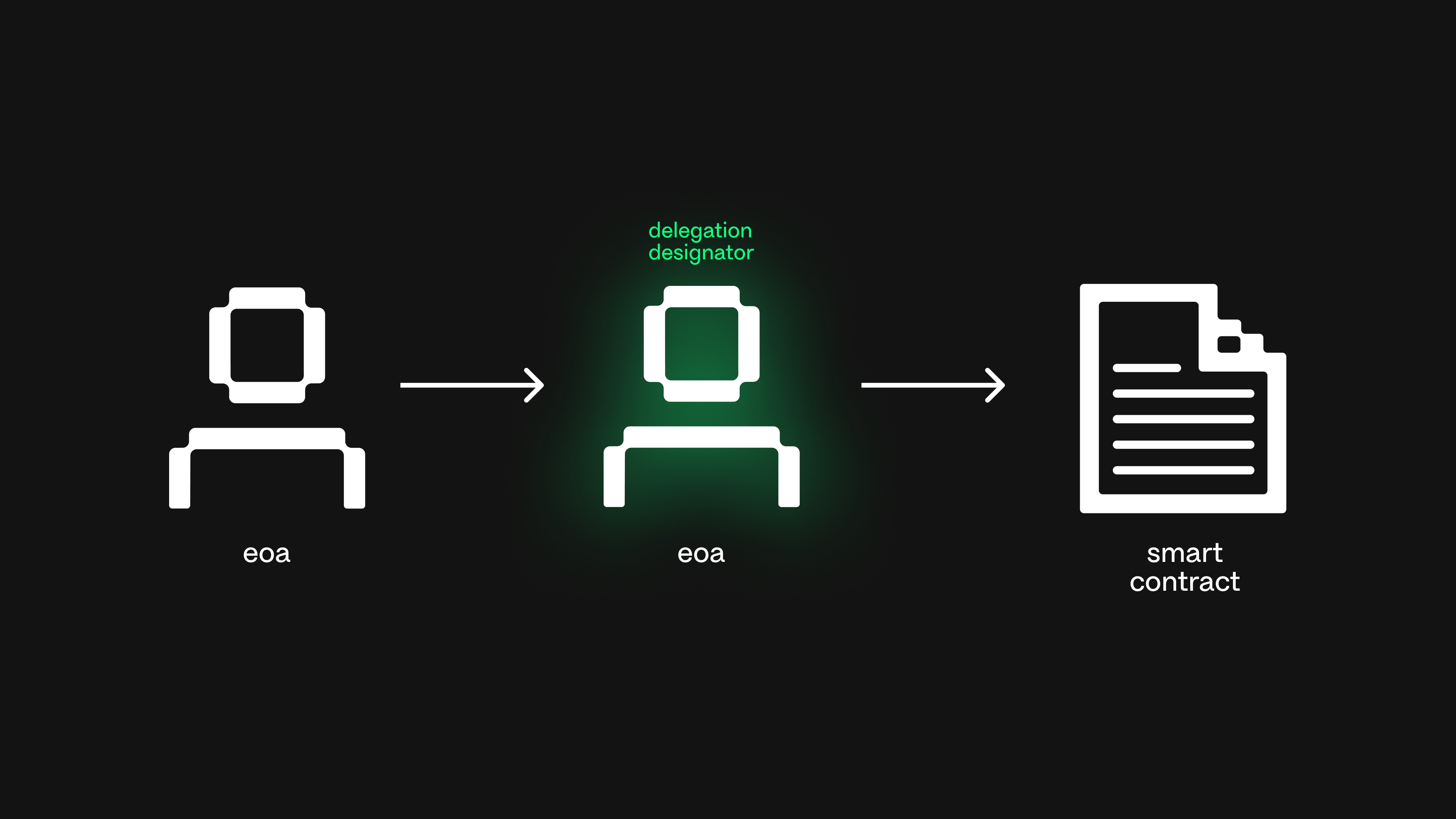
EIP-7702, activated on mainnet via the Pectra upgrade in May 2025, lets Externally Owned Accounts (EOAs) temporarily delegate execution to smart contracts. This moves account abstraction from the mempool to the protocol layer, but it introduces specific security and operational tradeoffs that users and developers must evaluate.
The primary benefit is UX: users can pay gas with stablecoins or batch transactions without holding ETH. However, this convenience comes with the risk of phishing. Because users must sign authorization messages that grant control to smart contracts, malicious actors can trick users into signing away control of their funds. This is distinct from ERC-4337, which relies on external bundlers and paymasters without requiring protocol-level changes.
Comparison of EIP-7702 and ERC-4337
Both standards enable smarter wallets, but they operate differently. EIP-7702 upgrades the EOA itself, while ERC-4337 creates a parallel account system.
| Feature | EIP-7702 | ERC-4337 |
|---|---|---|
| Protocol Change | Requires upgrade (Pectra) | No upgrade needed |
| Account Type | EOA becomes smart | New smart account |
| Gas Payment | Native or delegated | Paymasters only |
| Implementation | Protocol-level | Mempool-level |
Security and usability choices that change the plan
EIP-7702 reduces friction for daily users but increases the attack surface for phishing. When you sign an authorization, you are effectively giving a smart contract temporary permission to move your funds. If that contract is compromised, your EOA is vulnerable. This is a significant shift from traditional EOAs, which have no code to exploit.
Developers must also consider the complexity of implementation. Unlike ERC-4337, which can be deployed as a contract, EIP-7702 requires client-level support. This means not all wallets and nodes support it immediately, potentially fragmenting the ecosystem. The tradeoff is between a unified protocol standard and a flexible, user-deployed alternative.
When to Use Each
Use EIP-7702 for high-volume, low-friction applications where UX is critical. It is ideal for social recovery wallets or gaming platforms where users expect seamless transactions without managing ETH. However, for complex, multi-party workflows that require custom relayers or paymasters, ERC-4337 may offer more flexibility. The choice depends on whether you prioritize protocol-level integration or application-level control.
Technical analysis of Ethereum's price action often correlates with adoption of new standards. As EIP-7702 becomes more widely integrated, its impact on network activity and gas dynamics will become clearer.
Choose Your Account Abstraction Strategy
EIP-7702 is live on Ethereum mainnet via the Pectra upgrade. It allows Externally Owned Accounts (EOAs) to temporarily delegate execution to smart contracts. This creates a hybrid model where your standard wallet can access smart account features without migrating to a fully deployed smart contract wallet.
This capability introduces a choice for users and developers: stick with legacy EOAs, adopt EIP-7702 for its flexibility, or use ERC-4337 for its modularity. The right path depends on your tolerance for complexity and security risk.
| Feature | Legacy EOA | EIP-7702 | ERC-4337 |
|---|---|---|---|
| Setup | Instant | One-time delegation tx | Smart wallet deployment |
| Security | Private key only | Smart contract code | Smart contract code |
| Gas | Native ETH | Native ETH (session keys) | Paymasters/Relayers |
| Recovery | None | Contract logic | Social/Time-delayed |
Assess Your Security Baseline
EIP-7702 introduces two primary risks: smart contract risk and phishing risk. Because your EOA now executes code from a smart contract, any vulnerability in that contract exposes your funds. Phishing attacks can also trick you into signing authorizations for malicious contracts.
If you are not comfortable auditing smart contract code or understanding delegation mechanisms, a standard EOA remains the safest option. The simplicity of a private key is its greatest strength.
Evaluate Transaction Complexity
EIP-7702 shines in scenarios requiring session keys or batched transactions. By delegating to a contract, you can set time-limited permissions for dApps, reducing the need to sign every single interaction. This is ideal for high-frequency trading or gaming.
For one-off transactions or long-term holding, the overhead of managing authorizations may outweigh the benefits. ERC-4337 offers more robust recovery options and gas abstraction, making it better for users who prioritize account recovery over transaction speed.
Decide on Implementation
Choose EIP-7702 if you want smart account features without leaving your current wallet infrastructure. It is a pragmatic step for users who need flexibility and are willing to manage delegation risks. Choose ERC-4337 if you need advanced recovery, social recovery, or gas sponsorship. Stick with a standard EOA if you prioritize maximum simplicity and security.
Spotting the weak options in EIP-7702 implementations
EIP-7702, activated on mainnet via the Pectra upgrade, lets Externally Owned Accounts (EOAs) delegate execution to smart contracts. While this bridges account abstraction without forcing user migration, the market is flooded with implementations that sacrifice security for convenience.
Many wallets treat authorizations as permanent upgrades rather than temporary delegations. This creates a phishing vector where users sign a message they believe is a simple transaction, but which actually grants a smart contract full control over their EOA. Once the delegation is set, the user’s EOA behaves like a smart contract until the session ends or the delegation is revoked.
The primary risk is smart contract vulnerability combined with user confusion. If the delegated contract has a bug, the EOA’s funds are exposed. Additionally, some implementations obscure the fact that the user is interacting with a smart contract, leading to poor gas estimation and unexpected failures. Always verify that the authorization is scoped to a specific contract and time window. Avoid any service that requests broad, indefinite delegation under the guise of "one-click setup."
Eip-7702 in 2026: common: what to check next
This section clarifies the practical implications of EIP-7702. The answers below address the most frequent objections and technical distinctions regarding account abstraction.
No comments yet. Be the first to share your thoughts!