
EIP-7702 migration 2026 explained
The term "migration" often triggers anxiety in crypto, but EIP-7702 is not a permanent move. It is a temporary delegation mechanism. This update allows Externally Owned Accounts (EOAs)—your standard Ethereum wallet addresses—to temporarily adopt smart contract functionality without moving funds to a new address or changing your private keys.
At its core, EIP-7702 introduces a new transaction type called SET_CODE. When you sign a specific authorization, you link your EOA to a smart contract's code. For the duration of that session, your address behaves like a smart contract. Once the conditions are met or the session expires, the delegation ends, and your address reverts to its original, simpler state. This is closer to upgrading your wallet's features than migrating to a new system.
This temporary nature solves a major friction point in Ethereum's history. Previously, users wanting features like gas sponsorship, session keys, or multi-signature security had to migrate entirely to Account Abstraction (ERC-4337) wallets. This meant abandoning the simplicity of EOAs. EIP-7702 bridges this gap. You keep your familiar EOA interface while accessing advanced smart contract capabilities on demand.
Think of it like a temporary security clearance. Your EOA remains the same, but for specific interactions, it gains elevated permissions. This approach preserves the simplicity of standard wallets while unlocking the flexibility of smart contracts, making it a critical upgrade for widespread adoption in 2026.
How smart contract authorization works
EIP-7702 introduces a new transaction type called SET_CODE. This mechanism allows an Externally Owned Account (EOA) to temporarily delegate its execution logic to a smart contract. Unlike a permanent migration, this is a transient state. The EOA retains its identity but gains the ability to execute complex logic defined in the contract code. This feature is designed to bridge the gap between simple key-based accounts and full account abstraction without altering the fundamental nature of the EOA.
The process relies on two key components: the SET_CODE transaction and the INITCODE. When an EOA signs a SET_CODE transaction, it specifies the address of the smart contract it wishes to authorize. The transaction also includes the INITCODE, which is the bytecode required to deploy the contract if it does not already exist on-chain. This ensures that the contract is available for execution during the delegation period. The authorization is temporary and expires after a certain number of blocks or when explicitly revoked, providing a flexible upgrade path rather than a locked-in migration.
This temporary delegation is critical for the 2026 context, where tooling maturity allows for seamless integration of smart contract logic into EOAs. Users can leverage this feature for enhanced security, multi-signature functionality, or complex transaction batching, all while maintaining the simplicity of an EOA. The transient nature of the authorization means that users can experiment with advanced features without committing to a permanent change in their account structure. This approach aligns with the broader goal of account abstraction, making Ethereum more accessible and powerful for everyday users.
The SET_CODE transaction type is the core innovation of EIP-7702. It enables EOAs to interact with smart contracts in a way that was previously impossible. By allowing temporary delegation, EIP-7702 opens up a wide range of use cases, from improved security to enhanced functionality. As the Ethereum ecosystem evolves, this feature will likely become a standard part of the user experience, enabling more sophisticated interactions while maintaining the simplicity and familiarity of EOAs.
EOA vs Smart Contract Wallets: Which Fits Your Needs?
Choosing between a standard EOA, a full smart contract wallet (SCW), and an EIP-7702-enabled EOA depends on your balance of security, convenience, and technical complexity. In 2026, these three models represent distinct approaches to managing Ethereum assets, each with specific trade-offs regarding code execution, gas fees, and session management.
The core difference lies in how authority is delegated. Traditional EOAs rely on simple signature verification, while SCWs use embedded logic for advanced features like social recovery and batch transactions. EIP-7702 bridges this gap by allowing EOAs to temporarily adopt smart contract behavior without permanent migration, offering a middle ground for users seeking enhanced functionality without the complexity of full account abstraction.
Feature Comparison
The table below outlines the key differences across critical features. EIP-7702 enables EOAs to execute code temporarily via the SET_CODE transaction type, while ERC-4337 SCWs provide persistent smart contract logic. Understanding these distinctions helps determine the best tool for your specific use case.
| Feature | Standard EOA | EIP-7702 EOA | ERC-4337 SCW |
|---|---|---|---|
| Code Execution | None (Signatures Only) | Temporary (Session-Based) | Persistent (Smart Contract) |
| Gas Sponsorship | No | Yes | Yes |
| Session Keys | No | Yes | Yes |
| Social Recovery | No | No | Yes |
| Migration Complexity | None | Low (One-Time Setup) | High (Full Migration) |
When to Use Each Option
Standard EOAs remain ideal for users prioritizing maximum simplicity and security. Since there is no code to exploit, the attack surface is minimal. This model suits long-term holders who rarely interact with complex dApps or require gas sponsorship.
EIP-7702 EOAs are best for users who want smart contract features without giving up control. By using temporary delegation, you can enjoy gas sponsorship and session keys for specific interactions, then revert to a standard EOA. This approach minimizes risk while maximizing flexibility, making it a popular choice for active traders and dApp users in 2026.
ERC-4337 SCWs are suited for users needing advanced features like social recovery, batch transactions, and persistent session management. While they offer the most functionality, they require a full migration to a smart contract wallet, which involves higher complexity and potential smart contract risks. This model is ideal for users who prioritize convenience and recovery options over the simplicity of a standard EOA.
Gas Optimization and User Experience
EIP-7702 transforms Ethereum’s user experience by allowing EOAs to temporarily delegate authority to smart contracts. This mechanism, driven by the SET_CODE transaction type, enables features previously reserved for account abstraction without forcing users to migrate their wallets permanently. The result is a smoother onboarding path where complex backend logic operates invisibly in the background.
Gas Sponsorship via Paymasters
One of the most immediate benefits is gas sponsorship. Through paymasters, smart contracts can pay transaction fees on behalf of EOAs. This allows dApps to subsidize costs for new users or specific campaigns, removing the friction of requiring every user to hold ETH for gas. For non-expert users, this means interacting with blockchain applications feels similar to using a traditional app, where fees are often abstracted or covered by the platform.
Batched Transactions
EIP-7702 also enables batched transactions. Instead of signing and confirming multiple separate transactions for actions like swapping and approving tokens, a user can execute a single SET_CODE delegation that allows a smart contract to bundle these operations. This reduces the number of clicks, lowers total gas costs by sharing fixed overheads, and minimizes the risk of users abandoning a flow due to complexity.
Temporary Delegation
Crucially, this delegation is temporary. Users can revoke access at any time, ensuring that their EOA retains full sovereignty. This distinguishes EIP-7702 from a full migration to smart contract wallets, offering a hybrid approach that balances advanced functionality with the simplicity and security of standard EOAs. As tooling matures in 2026, this flexibility will likely become the standard for mainstream Ethereum applications.
Risks and Security Trade-offs
EIP-7702 introduces a novel mechanism by allowing externally owned accounts (EOAs) to temporarily delegate execution to smart contract code. While this bridges the gap between simple wallets and advanced account abstraction, it fundamentally changes the security model of the Ethereum network. The primary risk lies in the nature of the SET_CODE transaction type, which links an EOA to a contract's bytecode. Unlike a permanent migration, this delegation is revocable, but the window of exposure during authorization requires careful scrutiny.
The most significant threat vector is smart contract code injection. When an EOA authorizes a contract, it effectively trusts that contract's logic to execute on its behalf. If the contract contains vulnerabilities or malicious logic, the EOA's assets are at risk. Users must verify the code they are authorizing, as the EOA itself does not validate the contract's safety. This is distinct from a full migration; the EOA remains the owner, but its execution power is temporarily borrowed.
Signature replay attacks are another concern, particularly if the authorization parameters are not strictly defined. The temporary nature of EIP-7702 means that once the delegation period ends or is revoked, the EOA returns to its standard state. However, during the active period, any signature issued by the EOA can be interpreted by the authorized contract. This necessitates a clear understanding of the delegation scope. Users should treat EIP-7702 as an upgrade path for specific use cases rather than a general-purpose feature, ensuring they only authorize trusted contracts for necessary durations.
Understanding these trade-offs is critical for the 2026 adoption landscape. As tooling matures, the ability to manage these temporary delegations will become more intuitive. However, the responsibility for verifying the integrity of the authorized contract remains with the user. By framing EIP-7702 as a feature activation rather than a migration, users can leverage its benefits while mitigating the inherent risks of smart contract interaction.
Wallet Provider Migration Checklist
EIP-7702 is not a full migration to smart contract accounts; it is a temporary authorization layer. For wallet providers, the goal is enabling SET_CODE transactions without abandoning the simplicity of EOAs. By 2026, tooling maturity means these features should be standard, not experimental.
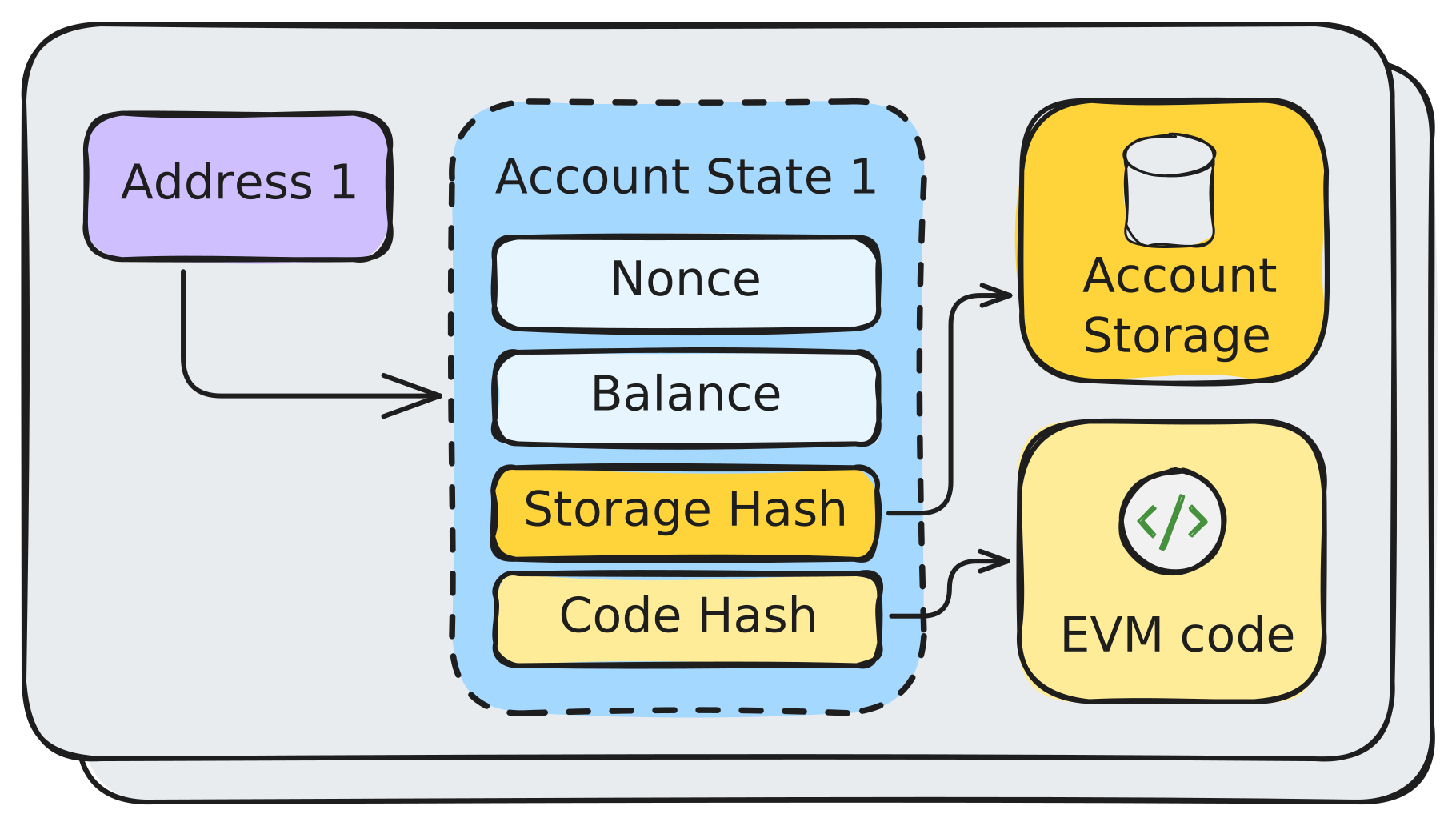
Ensure your signing libraries recognize the new SET_CODE transaction type. This allows EOAs to temporarily delegate authority to smart contracts. Verify that signature validation handles the new authorization payloads correctly.
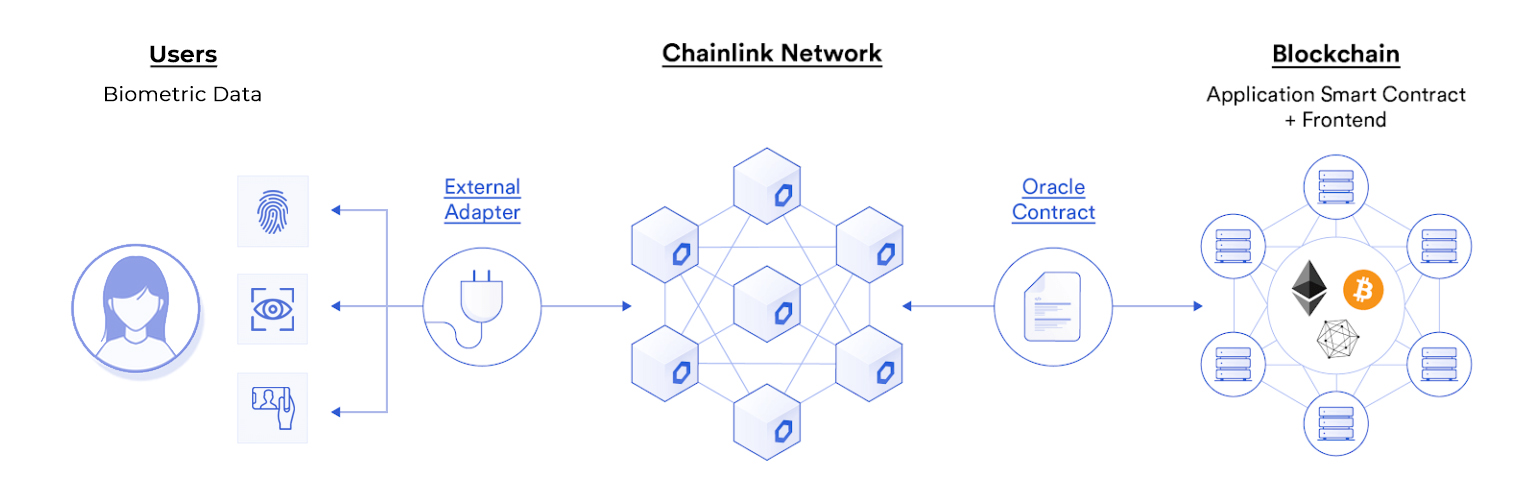
Implement rigorous testing for the authorization lifecycle. Users must understand that their EOA is temporarily acting like a contract. Test edge cases where the authorization expires or is revoked to ensure state consistency.
Integrate paymaster functionality to allow gas payments in ERC-20 tokens. This reduces friction for users who do not hold ETH. Ensure the paymaster logic correctly handles the temporary contract state changes introduced by EIP-7702.
Review your wallet’s handling of delegated code. Ensure that users can easily revoke authorization if needed. Audit the UI to clearly distinguish between permanent contract deployment and temporary EOA delegation.
The Pectra upgrade activated these capabilities in May 2025. As adoption grows, wallets that support this temporary delegation will offer a smoother path to account abstraction than those stuck in legacy models. Focus on clarity and user control during this transition.
For technical specifications, refer to the SAFE EIP-7702 Overview for implementation details and security considerations.
No comments yet. Be the first to share your thoughts!