
What EIP-7702 actually does to an EOA
EIP-7702 introduces a temporary delegation mechanism that allows Externally Owned Accounts (EOAs) to execute smart contract logic without becoming smart contract accounts. This proposal, central to the Pectra upgrade, enables legacy Ethereum accounts to receive short-term functionality while maintaining their fundamental structure.
When an EOA sets up a 7702 delegation, it signs a specific authorization that points to a smart contract. This contract then acts as the execution layer for subsequent transactions. The EOA retains its private key and address, but the blockchain interprets its outgoing transactions through the lens of the delegated contract code. This process is reversible; the EOA can revoke the delegation at any time, returning to its standard state.
This distinction is critical for understanding the 2026 migration landscape. Full Account Abstraction (ERC-4337) requires users to migrate to new contract-based accounts, involving complex key management and onboarding friction. EIP-7702 sidesteps this by layering smart capabilities onto existing accounts. It is a bridge, not a destination, allowing the ecosystem to experiment with account-level features like paymasters and session keys without forcing a hard fork of user behavior.
The implementation relies on a new transaction type that includes the delegation signature. Nodes verify this signature against the contract code before executing the transaction. If the delegation is valid, the contract logic runs. If not, the transaction fails. This ensures that the EOA never actually stores code in its storage slot, preserving the simplicity of legacy accounts while unlocking advanced functionality.
For users, this means a smoother transition to advanced features. You can use session keys for limited-time interactions, sponsor gas fees for others, or implement complex spending rules without abandoning your familiar wallet interface. The EOA remains the anchor, providing stability and familiarity while the delegated contract handles the complexity.
Smart EOAs versus ERC-4337 account abstraction
Ethereum’s 2026 landscape is defined by a split between two approaches to account abstraction. On one side is ERC-4337, which introduced user operation bundles and paymasters to enable gasless transactions without changing the base protocol. On the other is EIP-7702, activated in the Pectra upgrade, which allows Externally Owned Accounts (EOAs) to temporarily delegate to smart contracts.
The choice between these models hinges on infrastructure complexity and user experience. ERC-4337 requires a separate bundler network and paymaster infrastructure to sponsor gas. EIP-7702 integrates these features directly into the Ethereum execution layer, allowing standard EOAs to act like smart wallets without deploying new contracts.
How they compare
The following table outlines the structural differences between the two approaches.
| Feature | EIP-7702 (Smart EOA) | ERC-4337 (User Ops) |
|---|---|---|
| Account Type | Existing EOA (temporary delegation) | New Smart Contract Account |
| Gas Sponsorship | Native (via paymaster contract) | External Bundler + Paymaster |
| Recovery | Standard key recovery (reverts to EOA) | Social recovery or key rotation |
| dApp Integration | Minimal (native EIP-7702 support) | Requires ERC-4337 bundler support |
Tradeoffs by use case
EIP-7702 offers a lower barrier to entry for users who want smart wallet features without managing a new contract address. It is particularly effective for simple gas sponsorship and session keys. However, it is a temporary delegation; the account reverts to a standard EOA once the delegation is revoked.
ERC-4337 provides more permanent control and advanced features like social recovery. It is the standard for dedicated smart wallet providers. The tradeoff is higher integration complexity for dApps, which must support the ERC-4337 bundler network.
Gas Optimization and Transaction Batching
EIP-7702 transforms the Ethereum user experience by allowing Externally Owned Accounts (EOAs) to temporarily delegate execution to smart contracts. This mechanism, often referred to as "Smart EOAs," unlocks capabilities previously reserved for full Account Abstraction wallets, specifically gas sponsorship and transaction batching.
Gas Sponsorship and Session Keys
Traditionally, an EOA must hold ETH to pay for every transaction. EIP-7702 changes this by allowing an EOA to sign a delegation code that points to a smart contract. This contract can then pay gas fees on behalf of the user, a feature known as gas sponsorship.
This is particularly powerful when combined with session keys. Instead of signing every single transaction with the main private key, users can grant a smart contract limited permissions for a specific duration or purpose. This reduces the friction of signing complex interactions while maintaining security, as the delegated contract can only perform pre-approved actions.
Batching Multiple Actions
Transaction batching allows multiple operations to be executed in a single transaction. For example, a user might want to swap tokens, approve a new token, and interact with a DeFi protocol in one go. Without EIP-7702, these would require separate transactions, each with its own base fee and signature overhead. With Smart EOAs, a single delegated contract can execute this sequence, significantly reducing the total gas cost and improving speed.
The impact on user experience is profound. Users no longer need to maintain separate gas tokens for every chain or interact with complex wallet interfaces to manage gas. The simplicity of an EOA is retained, while the flexibility of a smart contract is added temporarily. This hybrid approach lowers the barrier to entry for new users and reduces costs for active traders.
Security risks and attack surfaces
EIP-7702 fundamentally alters the Ethereum threat model by allowing externally owned accounts (EOAs) to temporarily execute smart contract code. While this enables account abstraction without changing the underlying account structure, it introduces a significant new attack surface: code injection. When an EOA signs a delegation transaction, it effectively grants a smart contract the ability to act on its behalf for that specific interaction. If the delegation signature is intercepted or if a user is tricked into signing a malicious delegation, an attacker can inject arbitrary code into the EOA's execution context.
The primary risk lies in the revocation of this delegation. Once code is attached to an EOA via EIP-7702, the EOA retains this capability until explicitly revoked or until the end of the transaction block, depending on the implementation details. This creates a window of vulnerability where the EOA is no longer a simple signature holder but a temporary smart contract. Developers must implement strict validation for delegation signatures to prevent unauthorized code injection. Always verify the contract code being delegated to, ensuring it is from a trusted, audited source.
Understanding these risks is critical for the EIP-7702 migration. The transition to smart EOAs requires a shift in how users and developers think about security. Instead of relying solely on private key protection, users must now also manage the delegation state of their accounts. This adds complexity to wallet design and user experience, as users need to be aware of when their EOA is acting as a smart contract and when it is not.
Migration paths for wallets and dApps
Integrating EIP-7702 requires a phased approach. Wallet providers must update signature verification to handle SET_CODE transactions, while dApp developers need to test delegation flows for session keys. This migration is not just a code upgrade; it is a shift in how users interact with smart contracts.
Update signature verification
Wallets must recognize the new SET_CODE transaction type. This allows EOAs to temporarily behave like smart contracts. Ensure your backend validates these signatures against the latest Pectra specifications before broadcasting.
Test delegation flows
Session keys are the core benefit of EIP-7702. Test the full lifecycle: signing the delegation, verifying the contract code on-chain, and executing a user action with the delegated key. Verify that revocation works instantly to prevent lingering permissions.
Audit smart contract interfaces
dApps must ensure their interfaces handle both legacy EOAs and EIP-7702-enabled accounts. Use the official EIP-7702 specification to validate that your contract calls correctly interpret the delegated code. The Ethereum.org Pectra guidelines provide the necessary technical details.
Educate users on session keys
Users need to understand why they are signing a delegation. Explain that this grants temporary access without exposing their main private key. Clear UI copy reduces friction and builds trust during the transition.
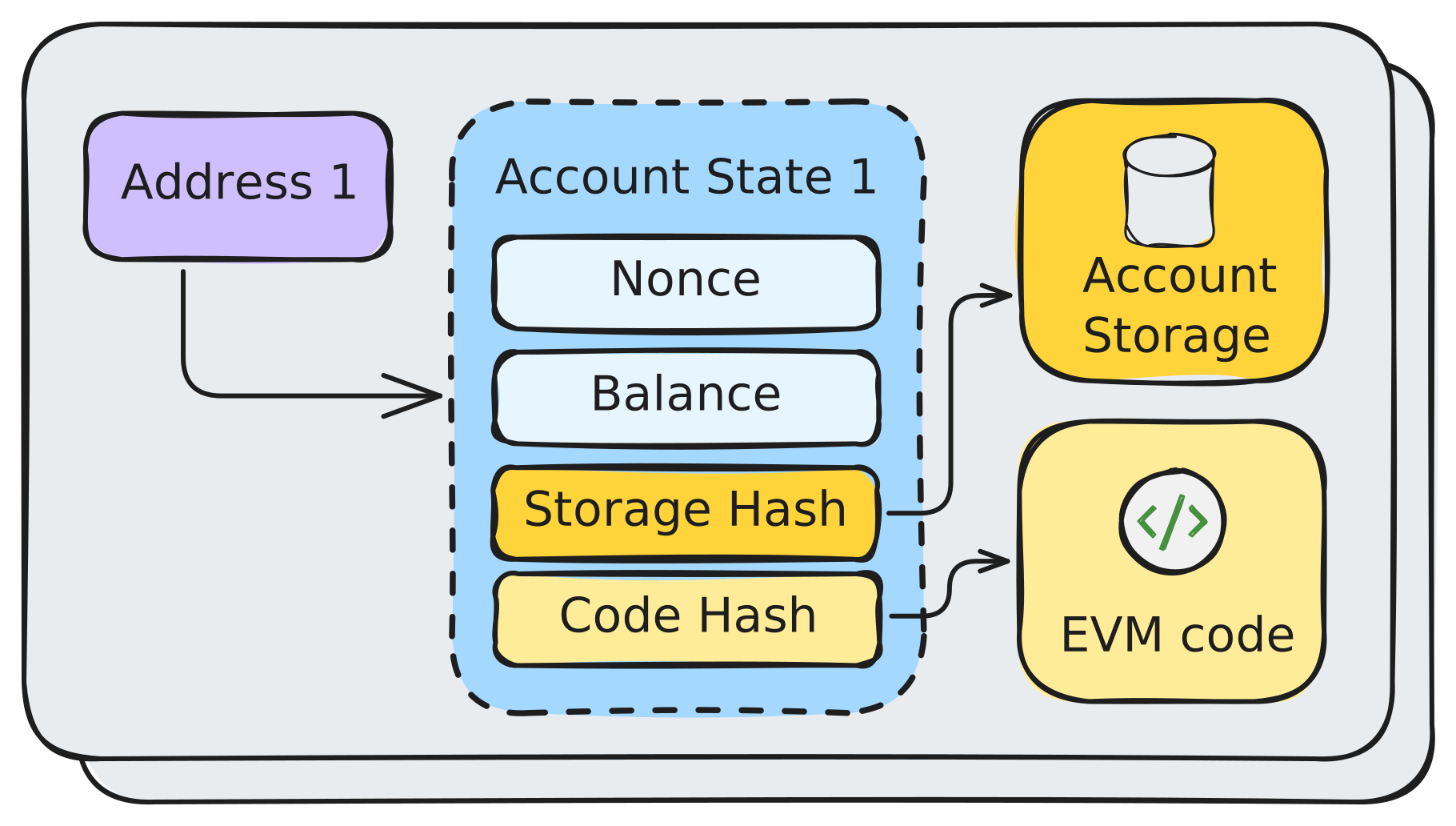
Wallets must recognize the new SET_CODE transaction type. This allows EOAs to temporarily behave like smart contracts. Ensure your backend validates these signatures against the latest Pectra specifications before broadcasting.
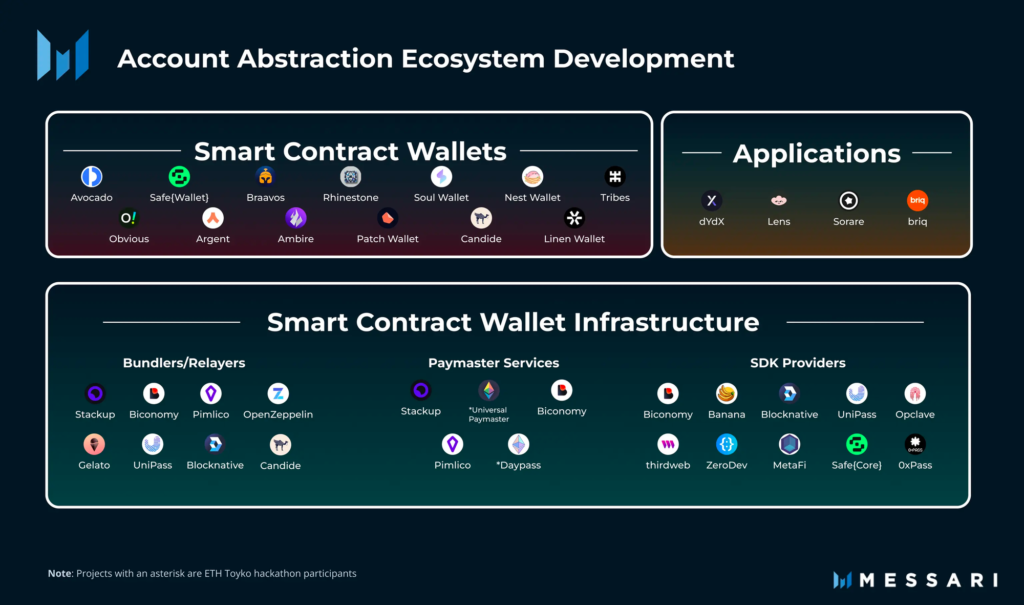
Session keys are the core benefit of EIP-7702. Test the full lifecycle: signing the delegation, verifying the contract code on-chain, and executing a user action with the delegated key. Verify that revocation works instantly to prevent lingering permissions.
dApps must ensure their interfaces handle both legacy EOAs and EIP-7702-enabled accounts. Use the official EIP-7702 specification to validate that your contract calls correctly interpret the delegated code.
Users need to understand why they are signing a delegation. Explain that this grants temporary access without exposing their main private key. Clear UI copy reduces friction and builds trust during the transition.
Ethereum price and network activity
Ethereum’s market dynamics set the stage for EIP-7702 adoption. As the Pectra upgrade integrates smart EOA capabilities, network efficiency becomes a primary driver for both price stability and user migration. The transition from legacy accounts to smart EOAs reduces transaction costs, making Ethereum more competitive against high-fee Layer 2s.
Current market conditions reflect this shift. Lower gas volatility and increased throughput support the economic argument for upgrading. Traders and developers are watching how this efficiency gain influences ETH’s utility value.
The chart above shows recent ETH price action alongside trading volume. Rising volume during consolidation phases often precedes significant network upgrades, suggesting strong institutional interest in the new smart EOA features. This activity underscores the growing relevance of account abstraction in 2026.
No comments yet. Be the first to share your thoughts!