
EIP-7702 changes how EOAs work
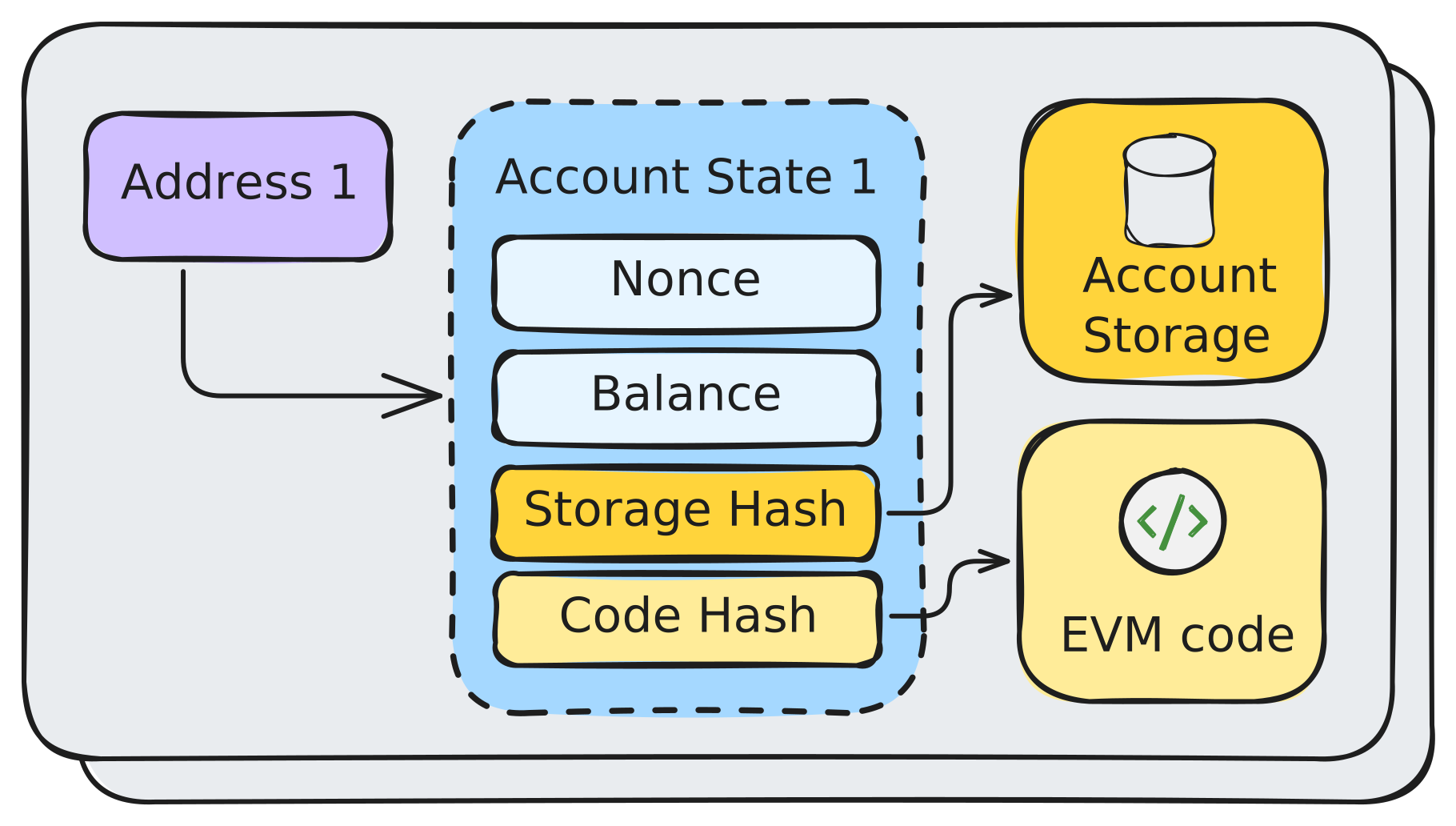
EIP-7702 introduces a temporary delegation mechanism that allows Externally Owned Accounts (EOAs) to set code in their account without becoming full smart contract accounts. This innovation, detailed in the official Ethereum Improvement Proposal EIP-7702, enables EOAs to leverage account abstraction features while maintaining their fundamental identity as externally owned keys.
The core distinction lies in the temporary nature of the delegation. When an EOA invokes an EIP-7702 transaction, it attaches code to its account for the duration of that transaction. Once the transaction completes, the code is cleared, and the EOA reverts to its original state. This differs significantly from permanent smart contract accounts, which retain their code and storage indefinitely.
This mechanism creates new attack surfaces for wallet users. Delegation failures can occur if the contract code is malicious or if the EOA's private key is compromised. Safe's technical documentation highlights these risks, emphasizing the need for careful implementation to prevent unauthorized code execution Safe Docs.
The market reaction to the Pectra upgrade, which includes EIP-7702, reflects both optimism and caution. The following chart illustrates ETH's price movement around the upgrade timeline, showing how technical changes can influence market sentiment.
Delegation risks in legacy wallets
EIP-7702 introduces a delegation pointer that allows externally owned accounts to temporarily delegate execution to a smart contract. While this enables advanced features like session keys and gas sponsorship, it fundamentally alters the security model of the Ethereum account structure. Legacy wallets that do not fully support the Type 4 transaction format may misinterpret these delegation signals, creating significant attack vectors for users.
The primary risk lies in the persistence of the delegation state. Unlike a standard transaction, a delegation is not a one-time action; it remains active until the account explicitly revokes it. If a legacy wallet fails to properly handle the revocation process or displays the delegation status incorrectly, users may remain bound to a smart contract's code indefinitely. This permanent code binding can lock users out of their funds or expose them to unexpected execution logic from the delegated contract.
Replay attacks present another critical vulnerability. Because the delegation pointer is part of the account's state, an attacker could potentially exploit inconsistencies in how different wallets validate the delegation context. If a wallet does not strictly enforce the delegation's scope or expiration, malicious actors could replay delegation signatures across different chains or contexts, leading to unauthorized fund transfers. This is particularly dangerous in cross-chain environments where state synchronization is not guaranteed.
Session key management is also fraught with complexity. EIP-7702 allows for granular control over delegated permissions, but legacy wallets often lack the UI/UX to clearly communicate these permissions to the user. A user might inadvertently delegate broad execution rights to a seemingly benign contract, not realizing that the delegation includes the ability to transfer assets or modify account settings. This opacity can lead to significant financial loss, as the wallet may not prompt for explicit confirmation of the delegation's full scope.
The transition to EIP-7702 requires a careful audit of wallet implementations. Developers must ensure that their clients correctly parse Type 4 transactions, display delegation status accurately, and provide clear mechanisms for revocation. Users should be educated on the implications of delegating to smart contracts and the importance of monitoring their delegation state regularly.
Gas sponsorship and user experience shifts
EIP-7702 introduces a structural change to how transaction fees are handled on Ethereum by allowing externally owned accounts to delegate signing authority to smart contracts. This capability enables gas sponsorship, where dApps or third parties can pay transaction fees using assets like USDC rather than requiring users to hold native ETH. For high-stakes financial infrastructure, this shift moves the friction point from asset acquisition to delegation security.
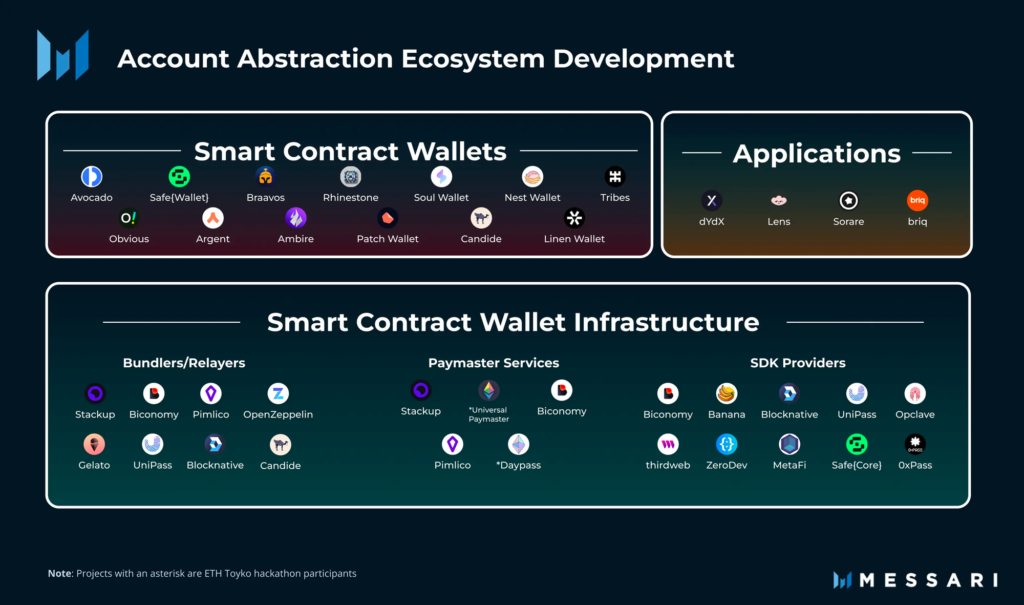
The operational impact is immediate: users no longer need to maintain a separate balance of native gas tokens to interact with applications. However, this convenience introduces new attack vectors. If a delegation contract is compromised or poorly configured, the sponsoring entity or the user’s primary assets may be exposed. Wallet providers like Safe and Biconomy are adapting their interfaces to make these delegation signatures explicit and revocable, ensuring users understand the scope of authority they are granting.
The table below contrasts the traditional EOA model with the EIP-7702 delegated model across cost, user experience, and security dimensions.
| Dimension | Traditional EOA | EIP-7702 Delegation |
|---|---|---|
| Gas Payment | Must hold native ETH | Can pay with USDC or other ERC-20s |
| User Friction | High (requires asset swapping) | Low (gasless UX possible) |
| Security Risk | Standard private key exposure | Delegation contract compromise risks |
| Wallet Complexity | Simple balance checks | Requires delegation state management |
Compliance checklist for wallet providers
EIP-7702 introduces code execution to externally owned accounts, fundamentally changing how wallets interact with the chain. For providers, this is not a feature update but a security overhaul. The risk of delegation failures—where invalid or malicious code is attached to a user’s account—requires a rigorous, multi-layered implementation strategy.
Wallets must validate every SET_CODE_HASH transaction before submission. This involves verifying that the target contract is verified, immutable, and matches the user’s expected delegation intent. Failure to do so can result in permanent loss of funds if a user inadvertently delegates control to a malicious contract.
Technical and Security Steps
- Pre-transaction Simulation: Run a dry-run of the delegation transaction on a local fork to ensure the code hash is valid and the state transition succeeds without reverting. This catches syntax errors or unauthorized access controls before they hit the mainnet.
- Explicit User Confirmation: Do not auto-delegate. Present the full contract code hash and a clear warning about the implications of granting code execution rights to an EOA. Users must explicitly acknowledge the risk.
- Revoke Mechanism Support: Implement a clear, gas-efficient path for users to revoke delegation (set code hash to zero). Ensure the UI prominently displays current delegation status and allows easy revocation.
- Gas Estimation Adjustments: Account for the additional gas costs of code verification and storage updates. Underestimating gas can lead to failed transactions, leaving users with partially delegated accounts.
Compliance and Audit Requirements
Beyond technical safeguards, wallet providers must align with emerging compliance standards. This includes maintaining detailed logs of all delegation events for forensic analysis and ensuring that any third-party libraries used for EIP-7702 integration have undergone independent security audits. Regular penetration testing of the delegation flow is essential to identify vulnerabilities before they are exploited.
Providers should also monitor EIP-7702-specific attack vectors, such as reentrancy attacks during delegation or front-running of code hash updates. Integrating real-time threat detection systems can help mitigate these risks. By adhering to this checklist, wallet providers can ensure a secure and compliant transition to EIP-7702, protecting users from the significant risks associated with this powerful new capability.
Current adoption status and remaining gaps
Following the Pectra upgrade in May 2025, EIP-7702 has moved from theoretical design to active deployment. Major infrastructure providers like Safe and Biconomy have integrated support for setting delegation pointers on externally owned accounts, allowing them to behave as smart wallets without requiring users to migrate funds or reset on-chain identity. This shift has accelerated the adoption of account abstraction, enabling gas sponsorship and session keys for standard wallets.
However, full compliance is not yet universal. While leading wallets support the core delegation mechanism, many decentralized applications (dApps) still lack robust fallback handling for failed delegation signatures. A delegation failure can leave a user’s funds locked or prevent transaction execution entirely, creating a significant friction point for non-technical users. The ecosystem is currently balancing the benefits of enhanced functionality against the risk of these implementation gaps.
No comments yet. Be the first to share your thoughts!