
What EIP-7702 enables for EOAs
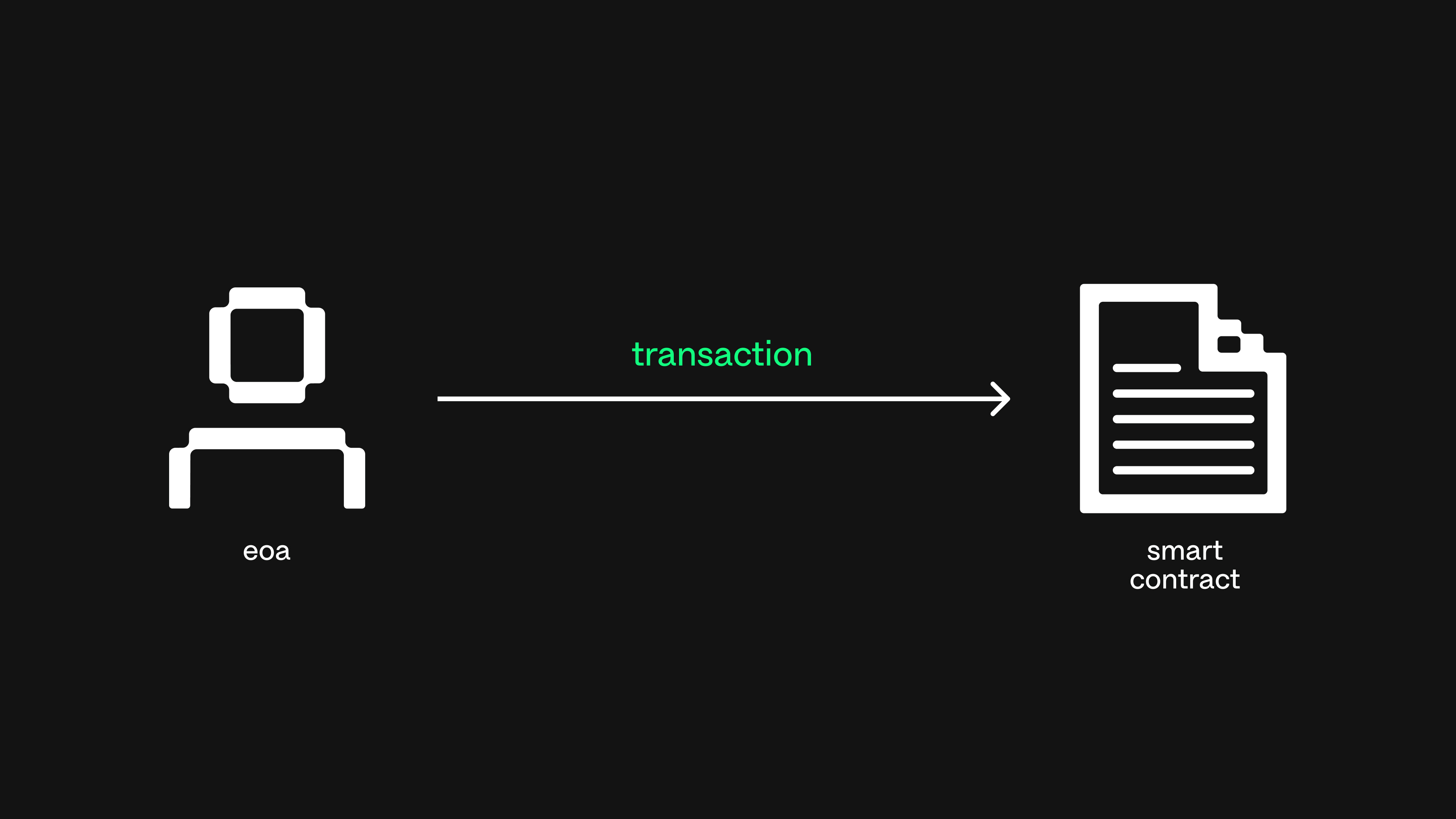
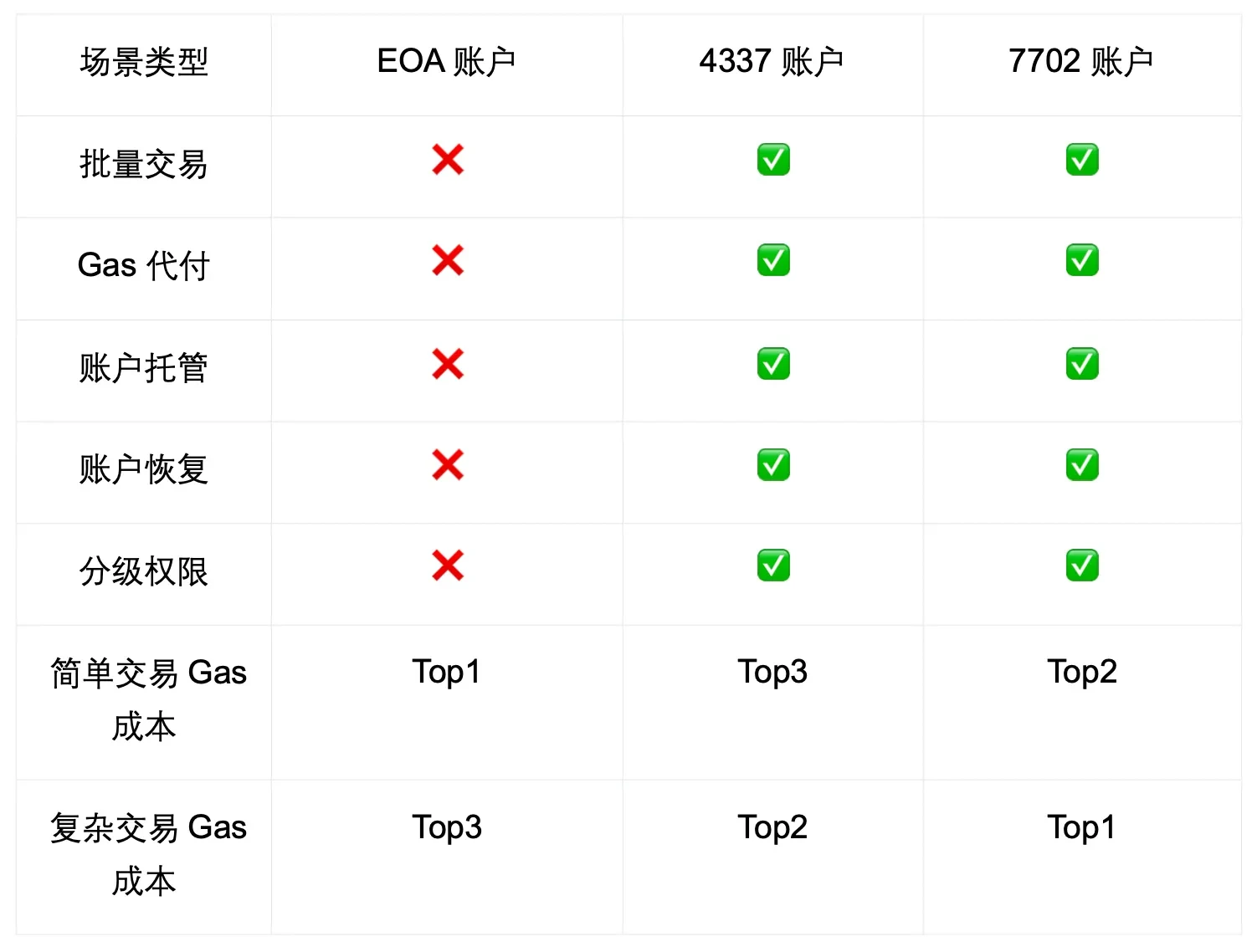
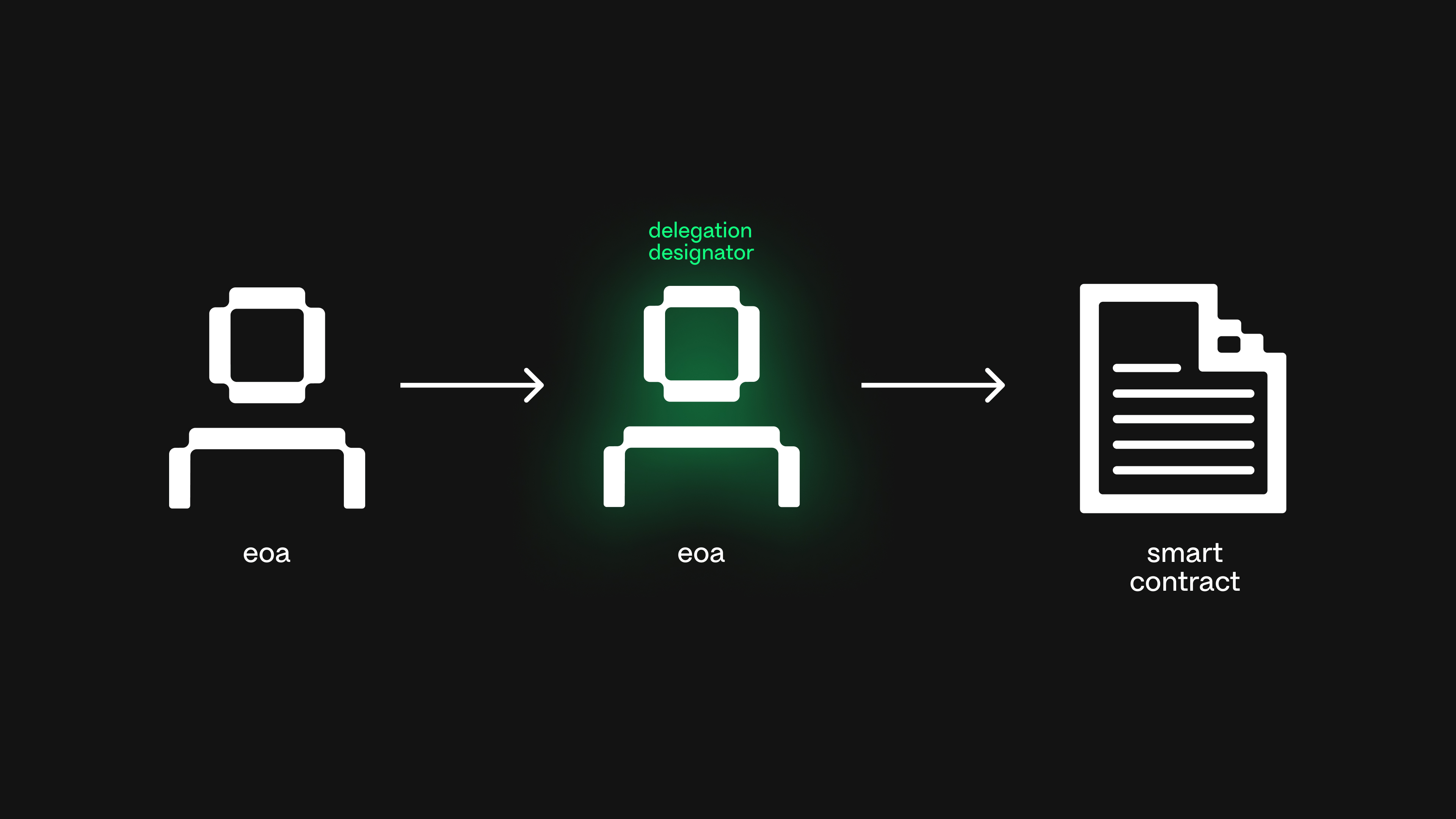
EIP-7702 introduces a temporary delegation mechanism that allows Externally Owned Accounts (EOAs) to authorize smart contracts to sign transactions on their behalf. This feature is part of the Pectra upgrade, which went live in May 2025, marking a significant step toward account abstraction for standard Ethereum wallets.
It is important to understand that this is not a permanent address change or a migration. Your EOA address remains exactly the same. Instead, you are simply granting permission for a smart contract to execute actions using your private key’s authority, similar to how a proxy contract operates but without the permanent code deployment.
This delegation enables capabilities like transaction bundling, gas sponsorship, and custom permission logic, which were previously only available to smart contract wallets. Once the authorized transactions are complete, the delegation can be revoked, returning the EOA to its standard state. This temporary nature ensures that your funds remain secure under your direct control when not actively delegated.
Prepare your EOA for delegation
Before signing any authorization, evaluate your specific constraints: space, timing, budget, skill level, maintenance requirements, or availability. This primary constraint should shape your preparation strategy rather than appearing as an afterthought.
Keep the initial setup simple enough to verify. Compare available wallet providers or smart account interfaces against the same criteria, remove options that only work in ideal conditions, and reserve optional upgrades for later testing.
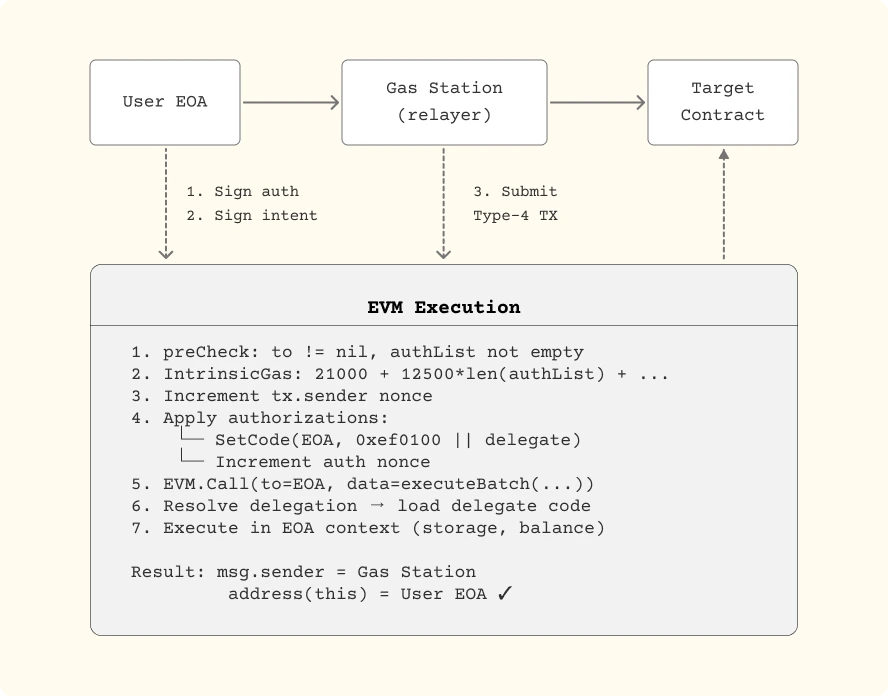
Sign the 7702 authorization transaction
The signing process works best as a clear sequence: define the constraint, compare the realistic options, test the tradeoff, and choose the path with the fewest hidden costs. This order keeps the advice usable instead of decorative.
After each step, pause to check whether the recommendation still fits your actual situation. If a specific wallet provider depends on perfect timing, unusual access, or a best-case budget, identify a simpler fallback immediately.
Verify delegation and test access
Once the authorization transaction is confirmed, verify that the delegation is active before moving significant funds. This verification step ensures the smart contract can successfully execute on your behalf.
Test the delegation with a small, non-critical transaction first. This confirms that the nonce handling and code hash verification are correct without risking major assets.
Common pitfalls during EIP-7702 setup
Setting up EIP-7702 delegation is straightforward, but a single configuration error can lock your funds or leave your wallet vulnerable. Because this upgrade introduces smart contract logic to an Externally Owned Account (EOA), the margin for error is thinner than in standard transfers. You must verify three specific areas before signing any authorization.
Verify the code hash
The most common mistake is submitting an incorrect codeHash. EIP-7702 requires you to provide the Keccak-256 hash of the smart contract code you intend to delegate to. If this hash does not exactly match the deployed bytecode, the transaction will revert, or worse, delegate control to an unintended contract. Always cross-reference the hash with the official source code repository of the wallet provider or smart account you are using. Do not rely on third-party summaries or cached values.
Watch the nonce counter
EIP-7702 authorizations are signed messages that include a nonce. If you sign a new authorization without incrementing the nonce from your previous one, the network will reject it. Conversely, if you skip a nonce number, that slot remains open until you fill it. This can lead to "nonce gaps" that prevent future transactions from processing. Ensure your wallet or dApp interface is tracking your current nonce state accurately before generating the signature.
Understand the temporary nature
A delegation under EIP-7702 is not permanent. It expires after the first transaction executed by the smart contract. This means if you delegate your EOA to a smart account, that account must re-authorize you for every subsequent action, or you must manage the delegation lifecycle manually. Many users assume a one-time signature grants indefinite access, leading to failed transactions when the delegation lapses. Plan your workflow to account for this re-authentication step.
No comments yet. Be the first to share your thoughts!