
What the EIP-7702 code change actually does
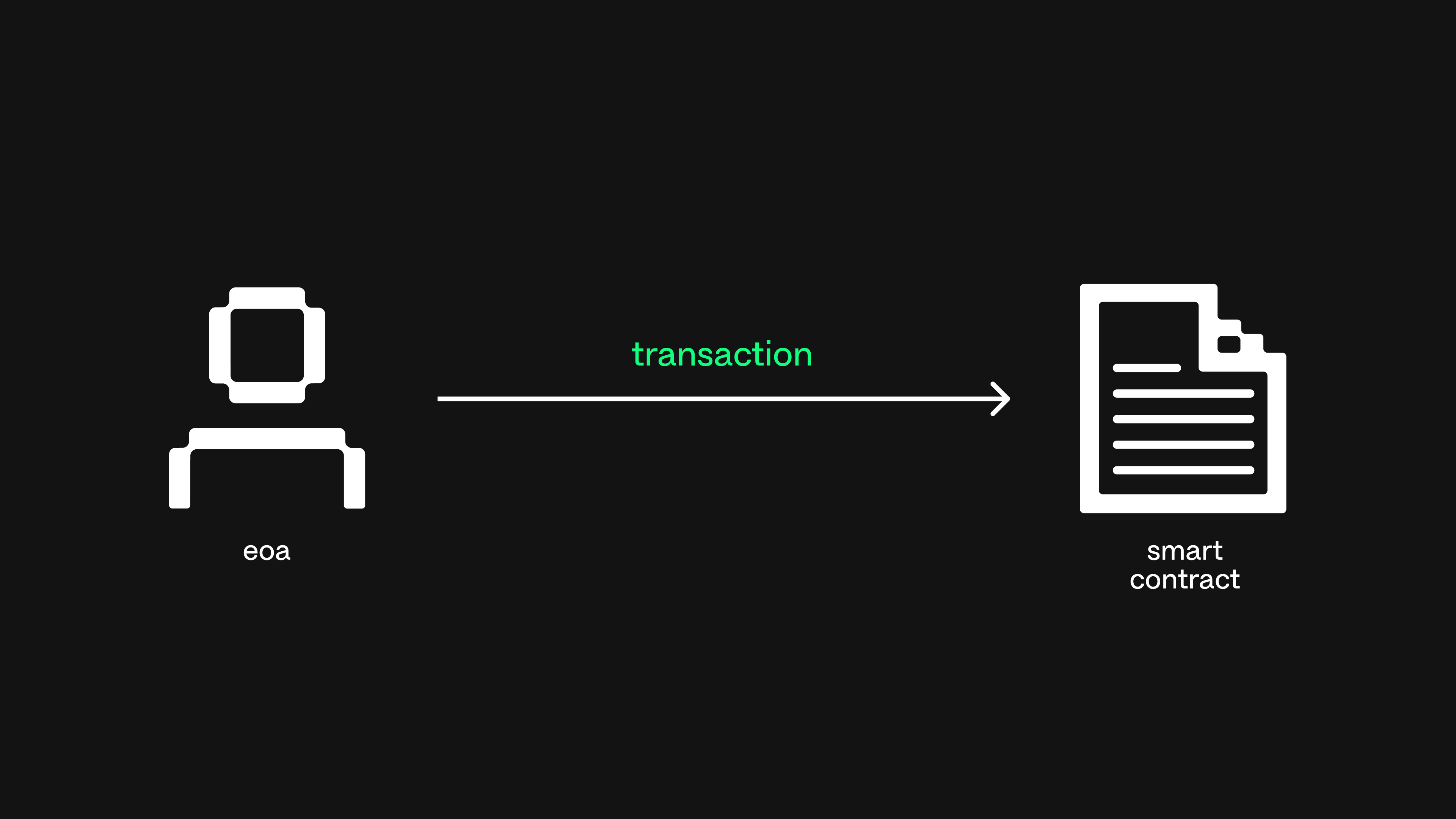
EIP-7702 introduces a new transaction type that allows Externally Owned Accounts (EOAs) to delegate execution to smart contracts. This capability enables features like transaction batching, gas sponsorship, and session keys without requiring users to migrate to a new wallet address. The change effectively grants EOAs the ability to have both code and storage, bridging the gap between traditional accounts and smart contract accounts.
At its core, the upgrade adds an "authorizations" field to transactions. A user signs a special authorization message from their EOA, which is then recorded on the Ethereum network. This authorization allows the EOA to execute smart contract code directly from its address. It is important to note that EIP-7702 is complementary to ERC-4337; while 7702 upgrades the account itself, 4337 standardizes how that account interacts with bundlers and paymasters.
The Pectra upgrade, which includes EIP-7702, was activated in May 2025. Since then, the feature has been fully active on the mainnet. This implementation represents a pivotal step toward native account abstraction, offering more flexibility without the friction of address migration.
Audit existing authorization logic
Before integrating EIP-7702, you must map every instance where your smart contracts validate signatures or manage approvals. The core risk is that EIP-7702 allows Externally Owned Accounts (EOAs) to delegate execution to smart contracts, effectively turning standard wallet addresses into contract-like entities with code and storage. If your contract logic assumes the caller is a pure EOA, it may bypass critical security checks that are now exposed.
Start by auditing signature verification functions. Look for calls to ecrecover or verify that check the msg.sender without verifying whether that address has code deployed. Under EIP-7702, an EOA can attach an authorization code to a transaction, allowing it to execute arbitrary logic. If your contract grants permissions based solely on a valid signature from an address, it might inadvertently authorize a delegated contract rather than the human owner.
Next, review approval mechanisms for tokens and permissions. Standard ERC-20 approve or setApprovalForAll calls can be intercepted or manipulated if the caller is a delegated contract. Ensure your contracts explicitly check for code size or use a permit system that binds the signature to a specific nonce and deadline, reducing the window for replay attacks by delegated entities.
Finally, examine any logic that relies on tx.origin or assumes static account properties. EIP-7702 changes the runtime behavior of accounts, making static assumptions dangerous. Use the following checklist to identify vulnerable code paths.
Implement delegation safeguards
EIP-7702 lets EOAs delegate execution to smart contracts without changing the address Openfort. This convenience introduces a new attack surface: if an attacker tricks a user into signing a malicious authorization, the smart contract gains full control over the EOA Eco. Securing these delegations requires strict validation and limits.
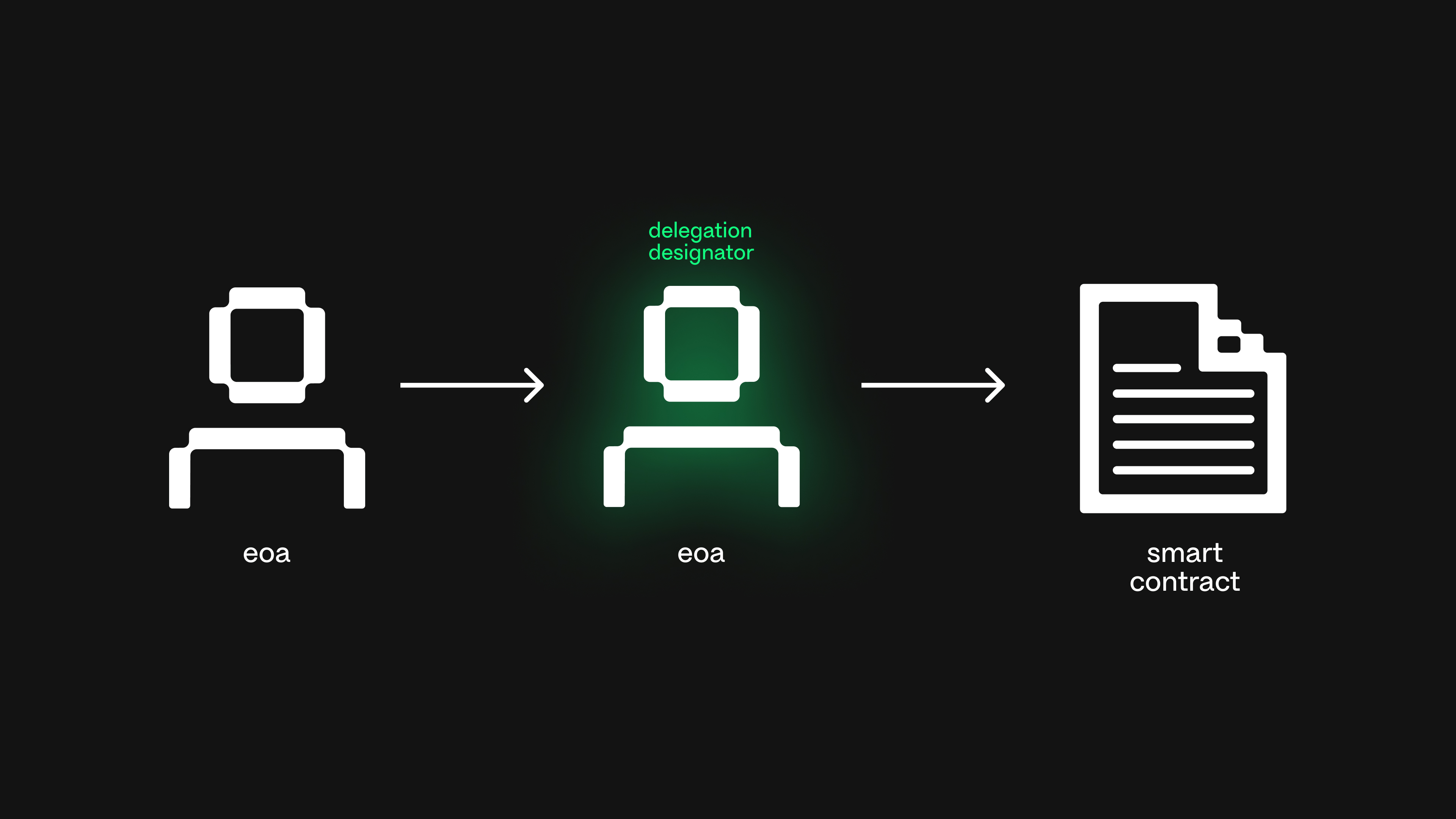
Before processing any delegation, verify the signature matches the user’s EOA. Use ecrecover or ecrecover-compatible logic to confirm the signer. Reject any authorization where the signature does not match the intended contract address. This prevents replay attacks and ensures only the owner can activate delegation.
Require a delay between signing an authorization and its activation. A 24-to-48-hour window allows users to detect and cancel malicious delegations before they take effect. Implement a activate() function that checks the current block timestamp against the signed timestamp plus the delay period.
Never delegate unlimited control. Use ERC-20 allowance or ERC-721 operator approvals to cap the value or specific assets a smart contract can move. Store these limits on-chain and check them before every execution. This ensures that even if the contract is compromised, the damage is contained.
Add custom validation logic to reject suspicious authorizations. Check for known malicious patterns, such as signatures from unauthorized domains or unusual gas parameters. Use a whitelist of approved delegate contracts to prevent users from accidentally signing authorizations for unverified or risky smart contracts.
Set up real-time alerts for new delegations and large transactions. Use on-chain event listeners to track SetCodeAuthorization events. If a delegation is activated, notify the user immediately via email or push notification. This allows for rapid response if a malicious delegation is detected.
| Feature | Time-Lock | Allowance Limit | Validation Hook |
|---|---|---|---|
| Security Benefit | Prevents immediate exploitation | Caps financial damage | Blocks malicious patterns |
| Implementation Cost | Low | Low | Medium |
| User Experience | Adds delay | Transparent | Minimal impact |
Test with EIP-7702 tooling
Before deploying smart contract authorizations on mainnet, you must verify compatibility using a forked environment. EIP-7702 introduces a new transaction type that allows EOAs to delegate execution to smart contracts, but this behavior is only active on networks that have implemented the Pectra upgrade.
Use Hardhat or Foundry to fork a Pectra-enabled chain. Configure your test environment to include the EIP-7702 activation block. This ensures your tests reflect the actual state of the network where authorizations are processed.
Use Safe’s EIP-7702 Overview
Safe provides official documentation and tooling for EIP-7702. Their overview explains how EOAs gain code and storage capabilities without requiring a wallet migration. Use their test vectors to validate your authorization signatures.
Verify with Openfort and Eco
Openfort and Eco offer guides on account abstraction for EOAs. Use their resources to test session keys and gas sponsorship features. These tools help ensure your implementation handles the new AUTH_TYPE correctly.
Check ERC-4337 Compatibility
EIP-7702 complements ERC-4337. Verify that your bundler and paymaster interactions remain stable. Test how EOAs with authorizations interact with existing ERC-4337 infrastructure to avoid conflicts.
Review Thirdweb’s Developer Guide
Thirdweb’s guide covers building smart wallet experiences with EIP-7702 and ERC-4337. Use their examples to test batching and delegation logic. This helps ensure your user experience remains seamless during the transition.
Validate with Decentralized Security
Decentralized Security offers insights into EIP-7702’s impact on Ethereum’s account model. Use their security audits to identify potential vulnerabilities in your authorization flow. This step is critical for high-stakes finance applications.
Is EIP-7702 implemented?
Yes, EIP-7702 is fully active since the Pectra upgrade in May 2025. The Pectra upgrade includes both the "Prague" execution layer and "Electra" consensus layer changes.
What new capability does EIP-7702 give to an eOA?
EIP-7702 allows EOAs to delegate execution to a smart contract. Users sign a special authorization message, which is recorded on the network, enabling features like transaction batching and gas sponsorship.
What is the difference between EIP-4337 and EIP-7702?
EIP-7702 upgrades the account itself, while ERC-4337 standardizes how that account interacts with bundlers and paymasters. They are complementary, not replacements.
What is the EIP-7702 prefix?
EIP-7702 enables EOAs to have both code and storage. This allows them to function as smart contract accounts, unlocking new features without requiring a migration to a new address.
Verify deployment on Pectra
With the Pectra upgrade active, EIP-7702 is live on mainnet. Your contract is no longer theoretical; it is handling real authorizations. This section outlines the immediate verification steps to ensure your deployment functions as intended and that no unintended delegation paths are exposed to users.
Run the verification test suite
Execute your existing unit and integration tests against the Pectra testnet or a local fork configured with the Prague/Electra hardfork. Focus specifically on the SETCODE transaction type introduced by EIP-7702. Ensure that your contract correctly interprets the authorization signatures and that the EOA code prefix is applied accurately. If your test suite includes gas estimation checks, verify that the new execution costs align with the updated EIP-7702 specifications, as gas dynamics may differ from pre-upgrade expectations.
Audit delegation paths
Review your contract’s entry points to ensure that only authorized EOAs can trigger critical functions via their delegated code. Check for any edge cases where an EOA might inadvertently execute code from a different contract due to signature replay or malleability. Since EIP-7702 allows EOAs to delegate execution without changing their address, ensure that your access controls explicitly verify the intent of the delegation. Use static analysis tools to scan for any potential reentrancy vulnerabilities introduced by the new code execution model.
Monitor on-chain activity
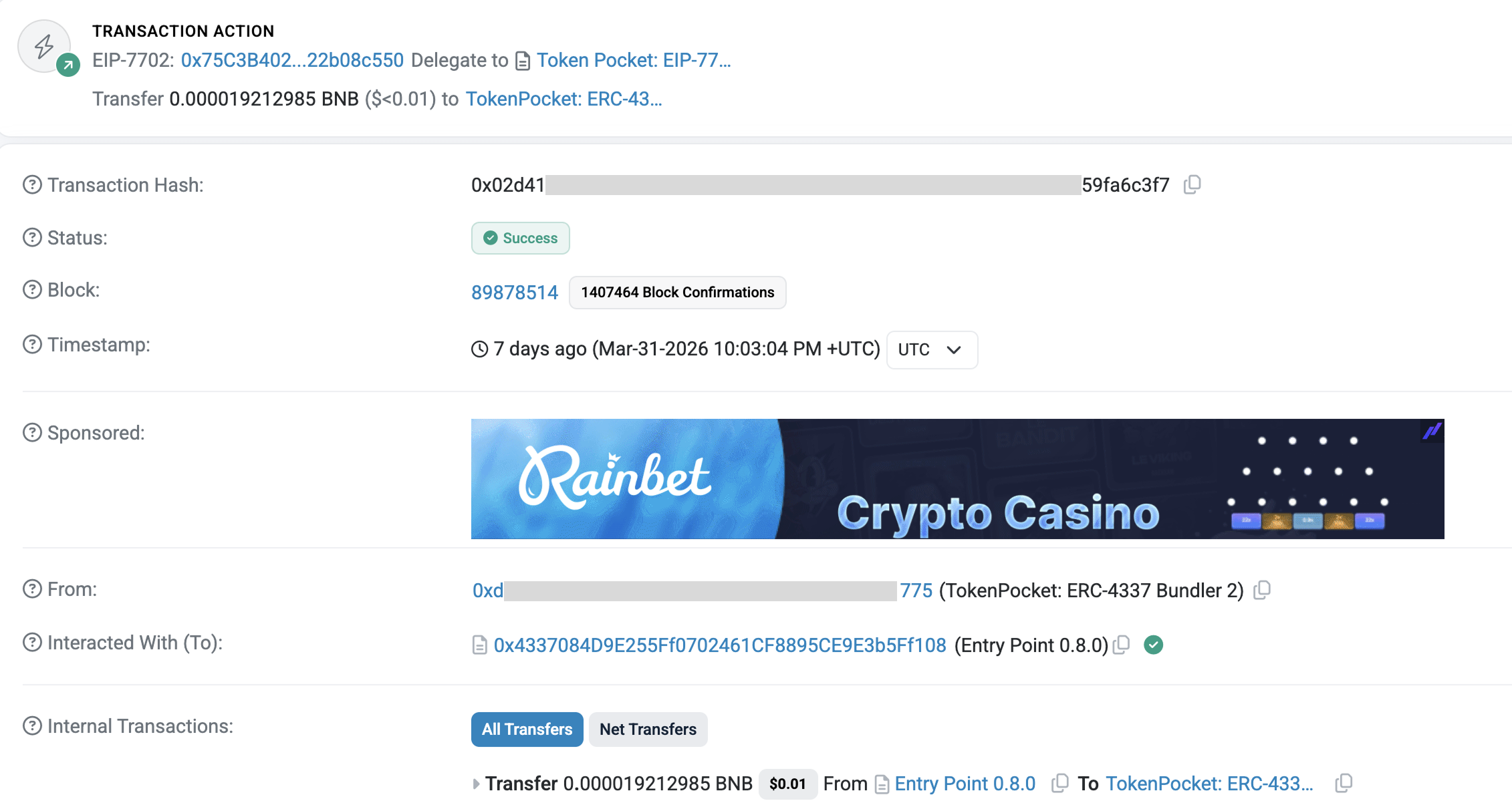
Deploy a small-scale test to mainnet or a widely used testnet like Sepolia (post-Pectra) to observe real-world interactions. Monitor the transaction pool for any unusual patterns, such as failed authorizations or unexpected code deployments. Use block explorers to verify that the SETCODE transactions are being processed correctly and that the contract state updates as expected. This live data provides the final confirmation that your deployment is secure and functional in the new Pectra environment.
No comments yet. Be the first to share your thoughts!