
Why EIP-7702 Matters Now
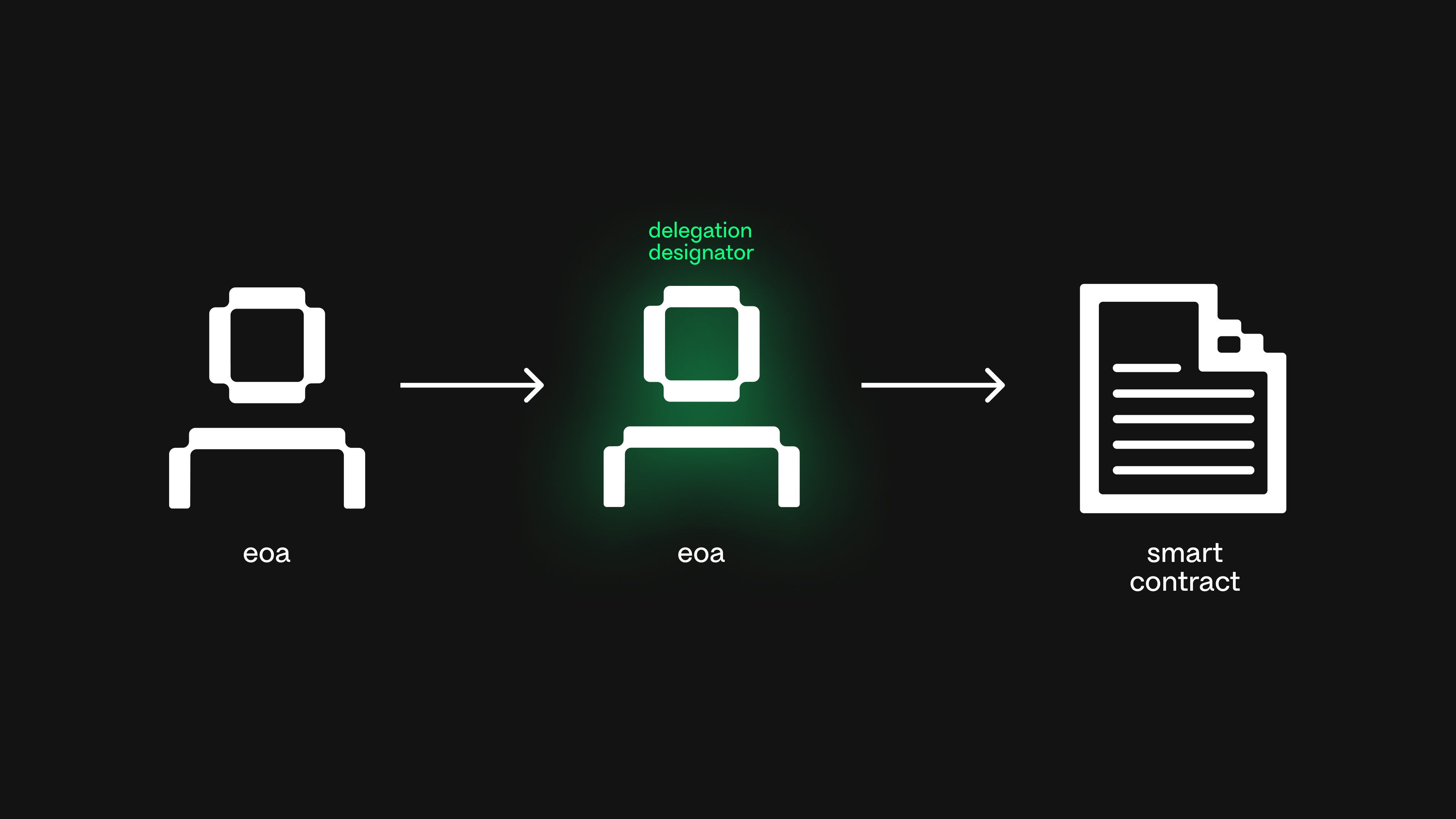
The Ethereum Pectra upgrade, which activated in May 2025, brought EIP-7702 into the live network. This change allows Externally Owned Accounts (EOAs)—your standard wallet addresses—to delegate execution to smart contracts without changing their address. For developers, this means the EIP-7702 migration 2026 is not about moving funds or rewriting legacy contracts. It is about integrating new tools that let users sign once and authorize complex, recurring actions.
Before Pectra, account abstraction was largely confined to smart contract wallets. EIP-7702 brings these features to the billions of existing EOAs. Users can now batch transactions, sponsor gas fees, or set session keys while keeping their familiar private keys. The technology removes the friction of managing multiple wallet types, making smart contract interactions feel as simple as a standard transfer.
This shift is critical for the next wave of decentralized applications. By allowing EOAs to act like smart contracts, developers can build smoother user experiences without forcing users to adopt new wallet software. The "migration" is simply the adoption of these improved standards. As the ecosystem integrates EIP-7702, the focus shifts from technical compatibility to practical utility.
The distinction between EIP-4337 and EIP-7702 is often misunderstood. While ERC-4337 standardizes how bundlers and paymasters interact with accounts, EIP-7702 upgrades the account itself. They are complementary: 7702 gives the EOA smart capabilities, and 4337 provides the infrastructure to manage them. This combination allows for a more robust and flexible ecosystem where users retain full control over their assets while enjoying the convenience of smart contracts.
For developers, this means the tools of 2026 are designed to integrate seamlessly with existing wallets. The goal is not to replace the EOA but to enhance it. By leveraging EIP-7702, you can offer features like gasless transactions and automated recurring payments without complicating the user's setup. This is the foundation for the next generation of accessible DeFi and Web3 applications.
Top Wallets Supporting EIP-7702
The Pectra upgrade activated EIP-7702 in May 2025, allowing Externally Owned Accounts (EOAs) to delegate execution to smart contracts. This shift transforms standard wallets into intelligent gateways. For users and developers, the immediate benefit is streamlined UX: session keys for gas-free interactions and simplified contract calls without complex setup.
Not all wallets have updated their infrastructure to handle the new authorization codes. When choosing a wallet for the EIP-7702 migration 2026, prioritize those that explicitly support delegation and session management. The following tools are currently leading the charge in usability and security.
Safe (formerly Gnosis Safe)
Safe has been at the forefront of account abstraction. Their documentation details how EIP-7702 enables EOAs to function as smart contract accounts, unlocking features like transaction batching and modular access control. Safe wallets allow users to set up complex permission structures that persist across sessions, making them ideal for managing delegated access.
Thirdweb Wallet
Thirdweb’s wallet infrastructure is built to support both EIP-7702 and ERC-4337. They provide a seamless experience for developers and end-users by abstracting the underlying complexity. Their solution allows users to sign authorizations that grant temporary execution rights to smart contracts, facilitating gas sponsorship and session-based interactions without requiring users to hold ETH for gas fees.
Biconomy
Biconomy focuses on the user experience side of account abstraction. Their SDK integrates EIP-7702 to enable features like paymasters and session keys. This means users can interact with dApps without needing to manage private keys for every transaction or worry about gas costs. Biconomy’s approach is particularly useful for applications that want to onboard users who are new to crypto.


As an Amazon Associate, we may earn from qualifying purchases.
Hardware wallets remain the gold standard for securing the private keys that authorize these smart contracts. While software wallets offer convenience, hardware devices like the Ledger Nano X and Trezor Model T provide an extra layer of security. Ensure your chosen hardware wallet supports the latest Ethereum updates to handle EIP-7702 authorization codes correctly.
Dev tools for contract integration
Implementing EIP-7702 requires handling a new transaction type that allows externally owned accounts (EOAs) to delegate execution to smart contracts. This process involves generating specific authorization signatures and managing account code updates on-chain. Developers need robust libraries that abstract the complexity of the SET_CODE prefix and signature verification.
The following tools streamline the integration of EIP-7702 into dApps, reducing the risk of implementation errors.
Thirdweb SDK
Thirdweb provides a comprehensive SDK that includes built-in support for account abstraction patterns, including EIP-7702. Their framework simplifies the connection between user wallets and smart contracts, handling the underlying signature generation and transaction submission. This is particularly useful for developers building wallet interfaces that need to support both legacy EOAs and upgraded accounts without maintaining separate code paths.
Biconomy SDK
Biconomy’s SDK is designed to enhance blockchain UX by managing transaction bundling and paymaster services. While EIP-4337 is the primary standard for account abstraction, Biconomy’s infrastructure is increasingly adapting to support EIP-7702 features. Their tools help developers implement gasless transactions and simplified onboarding, which are key benefits of the EIP-7702 migration. The SDK abstracts the complexity of interacting with bundlers and paymasters, allowing developers to focus on application logic.
SafeWallet SDK
SafeWallet, now known as SafeCore, offers a specialized SDK for managing multi-signature wallets. Their documentation and tools provide detailed guidance on integrating EIP-7702, particularly for upgrading existing Safe accounts to support smart contract functionality. The SDK helps developers handle the authorization signatures required for EIP-7702, ensuring that account upgrades are secure and compliant with the latest Ethereum standards.
Comparison of Dev Tools
The table below compares these tools based on ease of integration, supported chains, and gas optimization features.
| Tool | Ease of Integration | Supported Chains | Gas Optimization |
|---|---|---|---|
| Thirdweb SDK | High | Multi-chain | Built-in paymasters |
| Biconomy SDK | Medium | Multi-chain | Bundler abstraction |
| Safe{Core} SDK | Medium | EVM | Multi-sig optimization |
Gas Savings and Performance Tips
EIP-7702 fundamentally changes the economics of account management by allowing Externally Owned Accounts (EOAs) to delegate execution to smart contracts. This capability, introduced in the May 2025 Pectra upgrade, enables transaction batching and gas sponsorship without altering the user’s address [1]. For developers, this means significant reductions in overhead for high-frequency interactions.
To maximize these savings, structure your contracts to batch multiple operations into a single transaction. Instead of executing separate calls for every action, aggregate them within a delegated context. This approach spreads the fixed cost of signature verification and delegation across multiple operations, lowering the per-action gas cost [2].
Another effective strategy is implementing gas sponsorship. By having a smart contract pay for the transaction fees on behalf of the user, you remove friction for end-users while maintaining security. This is particularly useful for session-based applications where users interact frequently. Ensure your delegation logic is audited carefully, as the contract now holds significant authority over the EOA.
Before launching, verify that your signature formats comply with the new authorization fields and test gas limits under simulated load. This ensures your integration remains efficient and secure as adoption grows.
EIP-7702 vs ERC-4337: Which to Choose
EIP-7702 and ERC-4337 address the same user experience problem but operate on different layers of the Ethereum stack. Understanding this distinction is critical for selecting the right tools for your 2026 migration. EIP-7702 upgrades the account itself, allowing Externally Owned Accounts (EOAs) to delegate execution to smart contracts. ERC-4337 standardizes how those accounts interact with the network through user operations, bundlers, and paymasters.
They are complementary, not competitive. EIP-7702 handles the "what"—the capability of the account to execute complex logic. ERC-4337 handles the "how"—the transaction lifecycle and gas sponsorship mechanisms. Using both allows you to build seamless onboarding without forcing users to migrate their existing addresses.
| Feature | EIP-7702 | ERC-4337 |
|---|---|---|
| Primary Role | Account-level upgrade (code + storage) | Transaction-level standard (UserOps) |
| Deployment | Protocol-level (Pectra hard fork) | Contract-level (Deployed per chain) |
| Gas Sponsorship | Native via delegated contracts | Via Paymasters |
| Bundler Requirement | No | Yes |
| Backward Compatibility | High (EOA remains primary key) | High (Works with EOA or SCA) |
Choose EIP-7702 if you need native account upgrades and want to leverage session keys or transaction batching directly from the EOA. Choose ERC-4337 if you require sophisticated gas sponsorship, account recovery, or need to support legacy accounts that cannot be upgraded. For most robust integrations, combining both provides the best of both worlds: native efficiency and flexible transaction routing.
Frequently asked: what to check next
How does EIP-7702 affect my existing private keys?
EIP-7702 does not change your private keys or require you to generate new ones. Your EOA remains the primary authority. The upgrade simply allows you to attach a temporary "code" to your account that points to a smart contract. You still sign transactions with your original key, but the network interprets those signatures as instructions to execute logic defined by the attached contract.
Do I need to migrate my funds to a new address?
No. EIP-7702 is a protocol-level upgrade that works directly with existing Ethereum addresses. There is no migration step, no bridge to use, and no need to send funds to a new wallet. Your assets remain in your original EOA, but the EOA gains the ability to execute smart contract logic.
Can I reverse EIP-7702 delegation if something goes wrong?
Yes, but you must act before the delegation expires or is revoked. You can revoke the delegation by sending a transaction that clears the account code, effectively returning the EOA to its standard state. However, if the delegated contract has already executed malicious actions or drained funds during the delegation period, those losses are irreversible. Always audit the contract code you are authorizing.
Is EIP-7702 safer than ERC-4337 smart contract wallets?
Safety depends on implementation. EIP-7702 keeps the user in control of the private key, reducing the risk of smart contract wallet vulnerabilities like proxy upgrade exploits. However, it introduces new risks related to the delegated contract itself. If the delegated contract is compromised, the EOA’s funds are at risk. ERC-4337 wallets often include built-in recovery mechanisms and social recovery options that EIP-7702 EOAs do not inherently possess.
No comments yet. Be the first to share your thoughts!