
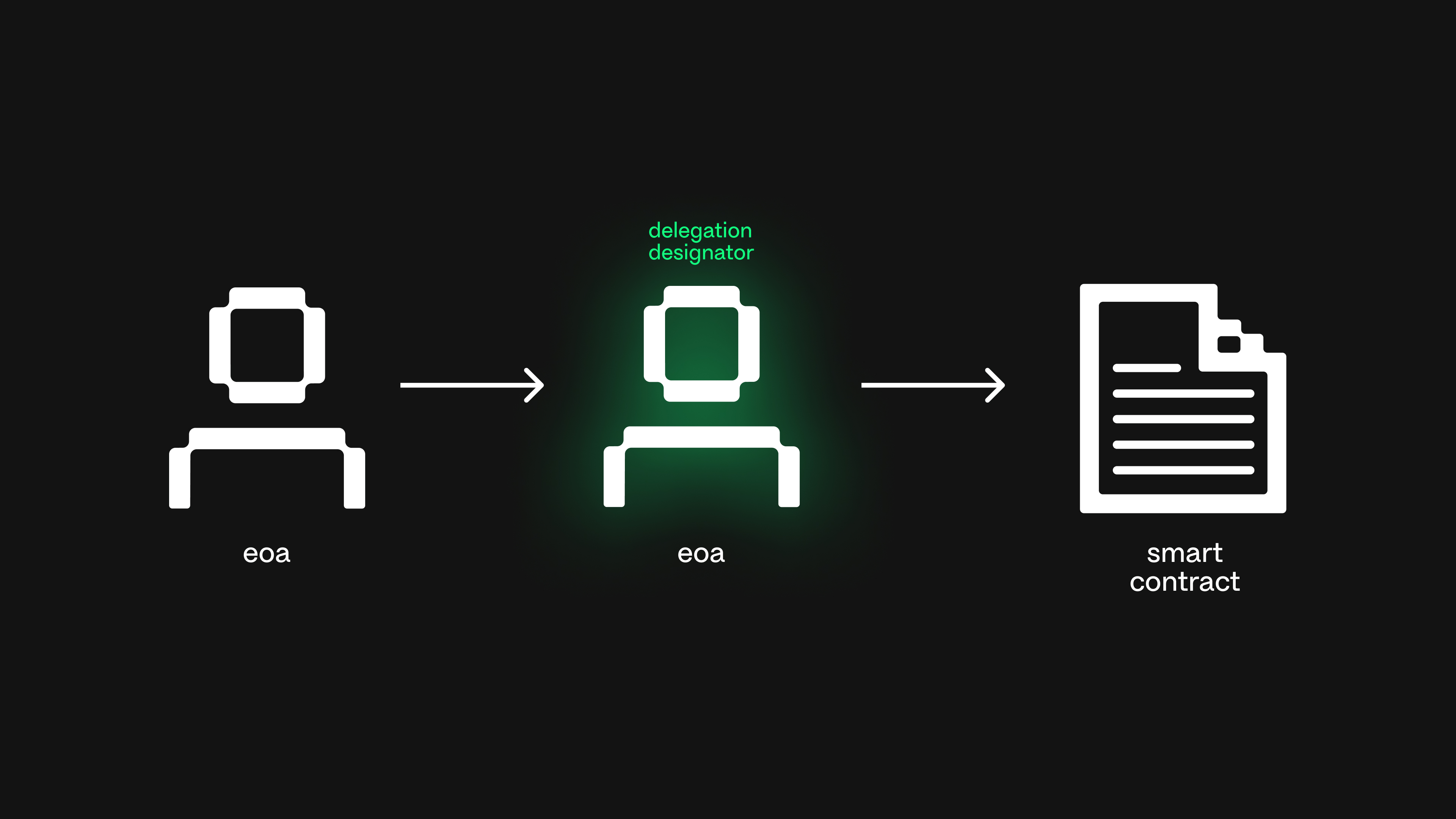
Eip-7702 migration budget
Upgrading to EIP-7702 requires a different kind of budget than a full contract migration. You aren't moving assets between addresses, which avoids the gas costs of complex state transfers. Instead, you are paying for the deployment of new authorization logic and the initial setup of smart account capabilities.
The primary cost driver is the transaction fee for deploying the new contract code and signing the first authorization. In 2026, network congestion can spike these fees, so timing your deployment during off-peak hours is a practical way to manage your budget. You should also factor in the recurring gas costs for users who interact with their upgraded accounts, as smart contract interactions generally cost more than simple EOA transfers.
Hardware wallets for secure signing
Managing EIP-7702 authorizations often requires more frequent interaction with your keys. A hardware wallet provides a secure, offline environment for signing these transactions, protecting your assets from malware that might target your computer's memory.


As an Amazon Associate, we may earn from qualifying purchases.
Development tools for testing
Before you deploy to mainnet, you need a reliable environment to test your EIP-7702 integration. Local development tools allow you to simulate the new authorization flows and catch errors before they cost real gas. These tools are essential for ensuring your migration is smooth and cost-effective.



As an Amazon Associate, we may earn from qualifying purchases.
Shortlist real options
Choosing the right development stack for EIP-7702 depends on whether you prioritize ease of integration or full control. The upgrade enables EOAs to act as smart contracts without requiring asset migrations, but the tooling landscape varies significantly in complexity.
We compared the most robust options for 2026, focusing on libraries and wallets that handle the new SET_CODE transaction type natively. The table below breaks down the tradeoffs between popular frameworks and their readiness for mainnet deployment.
| Tool | Type | EIP-7702 Support | Integration Complexity |
|---|---|---|---|
| Safe{Wallet} | Wallet | Native | Low |
| Viem | Library | Full | Medium |
| Ethers.js | Library | Partial | Medium |
| Privy | Auth | Beta | Low |
SafeWallet leads in adoption for organizations needing immediate, zero-friction compatibility. Their native support means users can sign transactions without any frontend modifications, making it the safest bet for broad compatibility. For developers building custom interfaces, Viem offers the most complete implementation of the new transaction types, though it requires more manual configuration than Ethers.js.
Authentication layers like Privy are moving quickly to support smart EOAs out of the box. While their support is still in beta, it reduces the burden of managing private keys for end-users. If you are building a consumer-facing app, starting with a wallet-agnostic auth provider often yields the best balance of security and user experience.


As an Amazon Associate, we may earn from qualifying purchases.
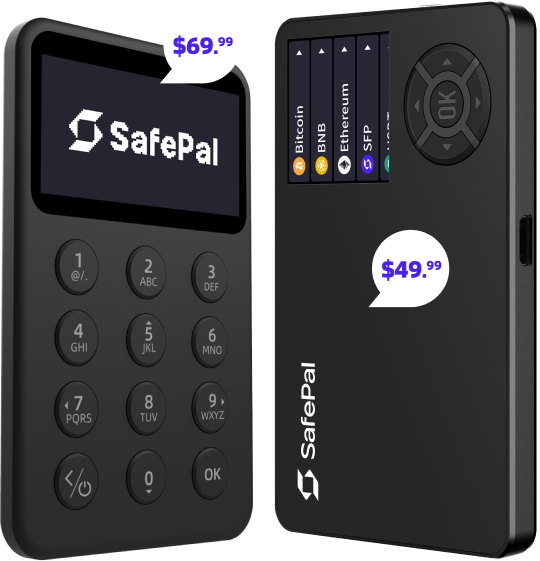
Hardware wallets remain critical for securing the private keys that now control smart contract logic. Devices like the Ledger Nano X and Trezor Model T have updated their firmware to recognize EIP-7702 transactions, ensuring your assets stay safe when you delegate authority. Always verify firmware updates before integrating new wallet standards into your production environment.
Inspect the expensive parts
Before you commit to EIP-7702, you need to audit where the migration might cost you more than it saves. The transition from an Externally Owned Account (EOA) to a smart contract account is reversible, but the gas costs of deployment and the complexity of authorization logic can quickly drain your budget if not managed correctly. Think of this inspection phase as checking the foundation before you build the house; a weak spot here means you’ll pay for repairs later.
1. Verify wallet and node compatibility
Not all infrastructure supports the new SET_CODE transaction type yet. If your users or your own deployment scripts rely on older RPC endpoints, your transactions will fail silently or revert unexpectedly. Check that your primary development node (like Geth or Erigon) and your backend providers (such as Alchemy or Infura) have explicitly enabled EIP-7702 support for the current network. This is a binary check: if the node doesn’t recognize the transaction, the entire migration fails before it starts.
2. Audit your authorization logic
EIP-7702 relies on signatures to authorize smart contract code. You must ensure your signature verification logic is bulletproof. A common failure point is not properly handling the initcode hash or failing to validate the signature against the correct chain ID. If your authorization contract is flawed, an attacker could potentially hijack the account or prevent legitimate updates. Review your ERC-1271 implementation to ensure it correctly validates the 7702-specific signature format.
3. Calculate the deployment gas cost
Deploying the smart contract code for the first time is the most expensive part of the process. Unlike a simple transfer, this involves writing code to the blockchain. Estimate the gas cost for your specific contract size and compare it against the long-term savings from reduced transaction fees. If your contract is large, the upfront cost might outweigh the benefits for low-volume accounts. Use a gas estimator to get a real-time figure before you proceed.
4. Test the rollback scenario
Since EIP-7702 allows you to revert to EOA status, you need a clear path for rollback. Ensure your contract includes a function that allows the owner to remove the code authorization. Test this in a sandbox environment to confirm that the account returns to its original EOA state without leaving any residual code or storage that could be exploited. This step is critical for disaster recovery if you discover a critical vulnerability in the new contract.
5. Check for reentrancy vulnerabilities
The interaction between the EOA and the smart contract code introduces new attack surfaces. Specifically, look for reentrancy issues during the authorization and execution phases. If your contract calls external contracts during the initialization or authorization process, an attacker might exploit the state changes. Run a static analysis tool like Slither or Mythril on your 7702 implementation to catch these subtle logic errors before they hit mainnet.
Plan for ownership costs
EIP-7702 lowers the barrier to entry by allowing Externally Owned Accounts (EOAs) to execute smart contract logic without moving assets. However, this convenience introduces a new class of operational expenses that often appear only after deployment. The initial gas cost to sign a SET_CODE transaction is modest, but the ongoing maintenance of these "smart EOAs" can accumulate quickly if not monitored.
The primary surprise for developers is the complexity of key management. Unlike a simple wallet, a smart EOA requires careful handling of the delegation authority. If you lose the signing key for the smart contract, recovering control over the EOA becomes significantly harder than standard multi-sig recovery procedures. This adds a layer of security overhead that must be factored into your operational budget.
In addition, you are now responsible for the logic embedded in the contract code. If the contract logic requires updates or if vulnerabilities are discovered, you must manage the transition or mitigation. This is not a "set and forget" setup. The cost shifts from simple storage fees to active governance and security auditing, which can be substantial for high-value accounts.
To mitigate these risks, consider using established tools that handle the delegation and recovery processes securely. The following products can help streamline the management of EIP-7702 accounts:


As an Amazon Associate, we may earn from qualifying purchases.
Eip-7702 migration: what to check next
EIP-7702 removes the need to migrate to a new wallet address, but it does require developers to update how they handle transaction signatures. Understanding these practical changes helps prevent failed interactions and security gaps.
Do I need to migrate my wallet to use EIP-7702?
No. EIP-7702 explicitly avoids requiring migration. The same EOA address can opt into smart contract functionality by signing a specific authorization transaction. This allows existing wallets to gain account abstraction features like session keys or paymasters without changing the underlying address.
How does EIP-7702 affect gas costs?
Gas costs increase slightly because the EVM must verify the delegated contract code during transaction execution. While this adds a small overhead compared to standard EOA transactions, it is significantly cheaper than deploying and using a full smart contract wallet for every interaction.
What happens if I revoke the authorization?
Revoking authorization is straightforward but requires a new transaction. You can sign a new authorization with an empty code address or a different contract to update the delegation. This process is immediate and does not require waiting for a cooldown period.
Can I use EIP-7702 with existing DApps?
Most major wallets and infrastructure providers have updated their libraries to support EIP-7702. However, some older DApps may not yet handle the new transaction format correctly. Always test your specific use case with updated SDKs to ensure compatibility.
No comments yet. Be the first to share your thoughts!