
The EIP-7702 migration 2026 status
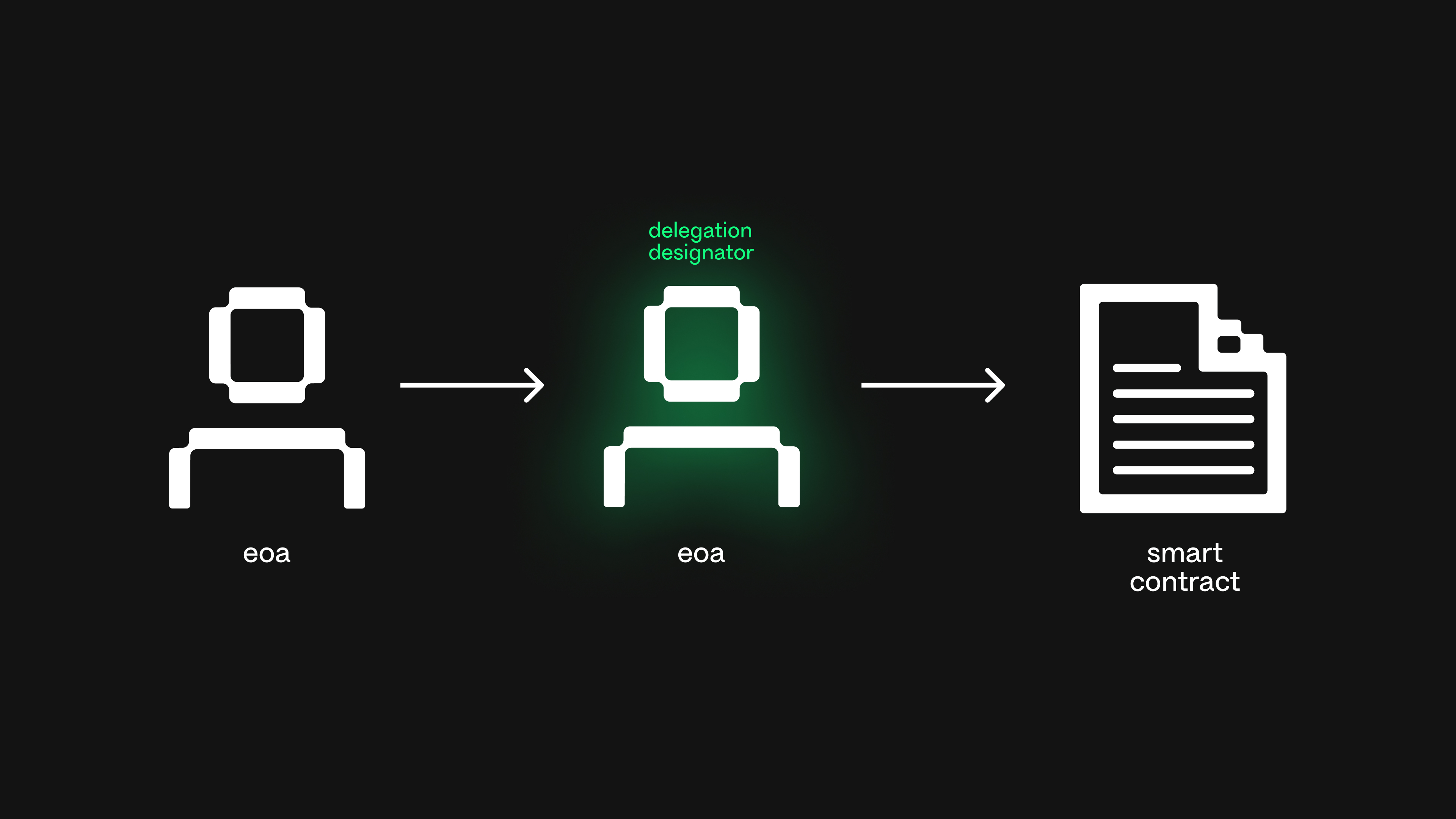
The term "migration" often implies a forced transfer of assets or a complete overhaul of infrastructure, but EIP-7702 operates quite differently. Enabled by default on Ethereum mainnet as part of the Pectra hardfork on May 7, 2025, this upgrade does not move funds or change addresses. Instead, it introduces a new transaction type that allows Externally Owned Accounts (EOAs) to delegate execution to smart contract code [src-4]. This capability is opt-in, meaning no asset transfer is required for an account to utilize these new features.
At its core, EIP-7702 grants EOAs the ability to have both code and storage, effectively bridging the gap between simple key-signing accounts and full account abstraction [src-3]. Users can sign a special authorization message that records a delegation on the network. This delegation allows the EOA to gain capabilities such as transaction bundling, gas sponsorship, and custom permissions without altering the underlying wallet address [src-serp-4]. The upgrade is designed to enhance user experience and developer flexibility while maintaining the simplicity of existing EOA structures.
Despite the technical capabilities now available, adoption metrics remain relatively low. Many dApps and wallet providers have yet to fully integrate or promote these features to their user base. The "migration" is not a sudden shift but a gradual layer of functionality that requires explicit integration by frontend interfaces and smart contract developers. Until these integrations become widespread, the majority of users will interact with the network as they did before Pectra, unaware of the delegation layer operating beneath the surface.
The market context of this upgrade era is reflected in Ethereum's price action, which continues to be influenced by broader macroeconomic factors and network activity levels.
Understanding the current status of EIP-7702 is essential for developers and users alike. It is not a migration in the traditional sense, but a foundational upgrade that enables new forms of interaction. As dApps begin to leverage these delegation capabilities, the ecosystem may see a significant shift in how users manage their assets and interact with decentralized applications.
Erc-4337 vs eip-7702 choices that change the plan
The Ethereum ecosystem currently navigates two distinct paths toward account abstraction. ERC-4337 relies on a decentralized network of bundlers and relayers to process transactions off-chain before settling them on the mainnet. In contrast, EIP-7702 integrates account abstraction directly into the Ethereum protocol, allowing externally owned accounts (EOAs) to delegate execution to smart contracts via on-chain authorizations.
The choice between these standards fundamentally alters how a dApp manages user experience and infrastructure. ERC-4337 offers flexibility but introduces latency and reliance on third-party bundlers. EIP-7702 provides immediate on-chain settlement but requires users to sign specific authorization messages to upgrade their wallets. Developers must weigh the complexity of maintaining a bundler infrastructure against the friction of on-chain delegation.
Comparison of Account Abstraction Models
The following table outlines the primary technical and operational differences between the two standards.
| Feature | ERC-4337 | EIP-7702 | Developer Impact |
|---|---|---|---|
| Transaction Processing | Off-chain via Bundlers | On-chain via Execution | ERC-4337 requires bundler management; EIP-7702 is native. |
| Gas Sponsorship | Smart Contract Delegation | EIP-7702 simplifies gas sponsorship by leveraging existing wallet logic. | |
| User Setup | Deploy New Wallet | Sign Authorization | EIP-7702 allows existing EOAs to gain smart features without migration. |
| Latency | Higher (Bundler dependent) | Lower (Native inclusion) | EIP-7702 offers faster finality for simple transactions. |
| Security Model | Paymaster Validation | Code Delegation | EIP-7702 shifts security to the delegated contract code. |
Infrastructure and UX Implications
For developers migrating in 2026, the infrastructure burden of ERC-4337 remains a significant consideration. Running or relying on a bundler introduces points of failure and requires careful monitoring of gas price estimations. EIP-7702 eliminates this layer by processing transactions directly on the blockchain, reducing the operational overhead for dApp teams.
However, the user experience of EIP-7702 requires a shift in interaction patterns. Users must explicitly authorize their EOAs to act as smart accounts. While this is a one-time setup, it adds a step that ERC-4337 users do not face, as their wallets are deployed as smart contracts from the start. The tradeoff is between a smoother initial onboarding with ERC-4337 and a more streamlined, native experience with EIP-7702.
Why dApps delay sponsored transactions
The gap between the Pectra hardfork activation and widespread dApp adoption is not a matter of technical impossibility, but of implementation friction. Since EIP-7702 went live on Ethereum mainnet in May 2025, it has enabled externally owned accounts (EOAs) to delegate execution to smart contracts. This capability unlocks gas sponsorship and transaction bundling without requiring users to migrate their wallets. Despite this, only a small fraction of decentralized applications have integrated these features, leaving the majority of users to bear transaction costs and manage complex signature flows manually.
The primary obstacle lies in the complexity of authorization signatures. Under EIP-7702, an EOA must sign a special authorization message to delegate execution rights to a smart contract. This authorization is then recorded on the Ethereum network, allowing the dApp to execute transactions on behalf of the user. For developers, this introduces a new layer of cryptographic verification and state management that was not present in standard ERC-20 or ERC-721 interactions. The dApp must now handle these authorizations securely, ensuring that the delegation is valid and has not been revoked. This added complexity increases development time and testing requirements, slowing down integration.
Gas sponsorship infrastructure remains another significant barrier. While EIP-7702 allows smart contracts to pay for gas on behalf of users, setting up this infrastructure requires robust backend systems. Developers must integrate with paymasters or build their own sponsorship mechanisms, which involves significant engineering effort and ongoing maintenance. Many dApp teams, particularly smaller projects, lack the resources to build and secure these systems. Consequently, they continue to rely on traditional gas payment models, even though EIP-7702 offers a more seamless user experience.
Security risks further deter rapid adoption. Storing delegation keys or managing authorization signatures introduces new attack vectors. If a dApp fails to properly secure these authorizations, users could be exposed to unauthorized transactions or fund theft. The risk of smart contract vulnerabilities, such as reentrancy attacks or logic flaws in the delegation mechanism, adds another layer of caution for developers. Many teams prefer to wait for industry-wide security audits and best practices to emerge before implementing EIP-7702, leading to a lag in adoption.
The economic implications of this delay are significant. Users who could benefit from gas-free transactions continue to pay fees, reducing the accessibility of decentralized applications. This friction limits the user base and slows the growth of the ecosystem. As more dApps integrate EIP-7702, the network effects could accelerate adoption, but the current lag suggests that the industry is moving cautiously. The focus remains on security and stability, ensuring that the benefits of EIP-7702 are realized without compromising user funds.
The path forward requires a balance between innovation and security. Developers must invest in robust infrastructure and thorough testing to mitigate risks. As the ecosystem matures, we can expect more dApps to adopt EIP-7702, bringing the promised benefits of gas sponsorship and seamless user experiences to a wider audience. Until then, the lag in adoption reflects a prudent approach to navigating the complexities of this new standard.
Building the migration 2026 toolkit
Developers must address wallet compatibility and authorization flows to support the EIP-7702 migration 2026. The standard enables externally owned accounts (EOAs) to delegate execution to smart contracts, granting account abstraction capabilities without requiring asset transfers. Integration requires a structured approach to verification, signing, and testing.
Eip-7702 implementation: what to check next
The Pectra hardfork activated EIP-7702 on May 7, 2025, enabling smart wallet features for standard Ethereum accounts. This upgrade allows EOAs to delegate execution to smart contracts without changing their addresses.
No comments yet. Be the first to share your thoughts!