
Get eip-7702 migration 2026 right
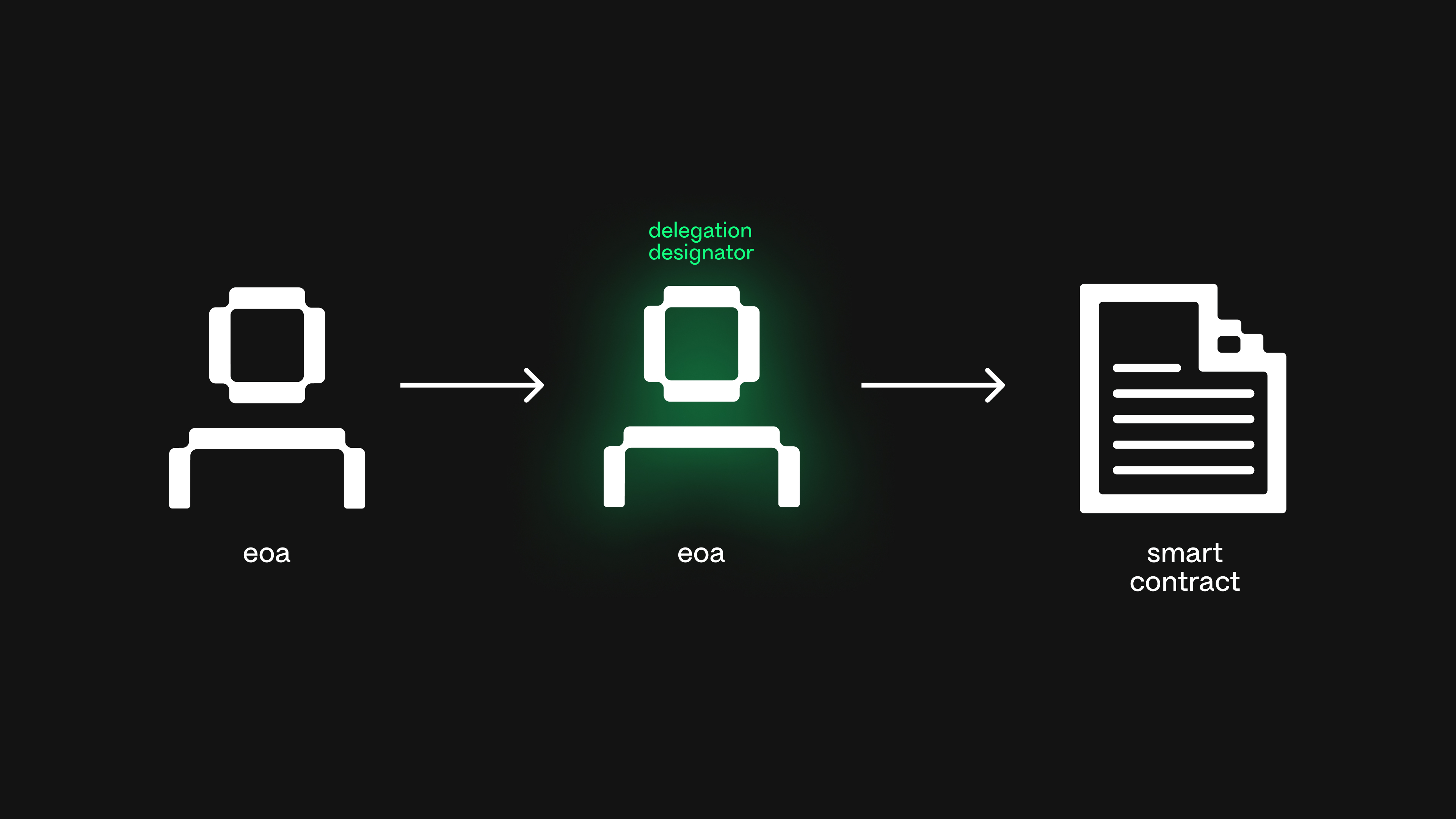
Before you begin the integration, understand that EIP-7702 does not require a full migration. You do not need to transfer assets or change your address. Instead, the protocol allows external owned accounts (EOAs) to delegate execution to a smart contract via a signed authorization. This distinction is critical: you are setting up delegation, not moving your wallet.
Verify EOA Authorization
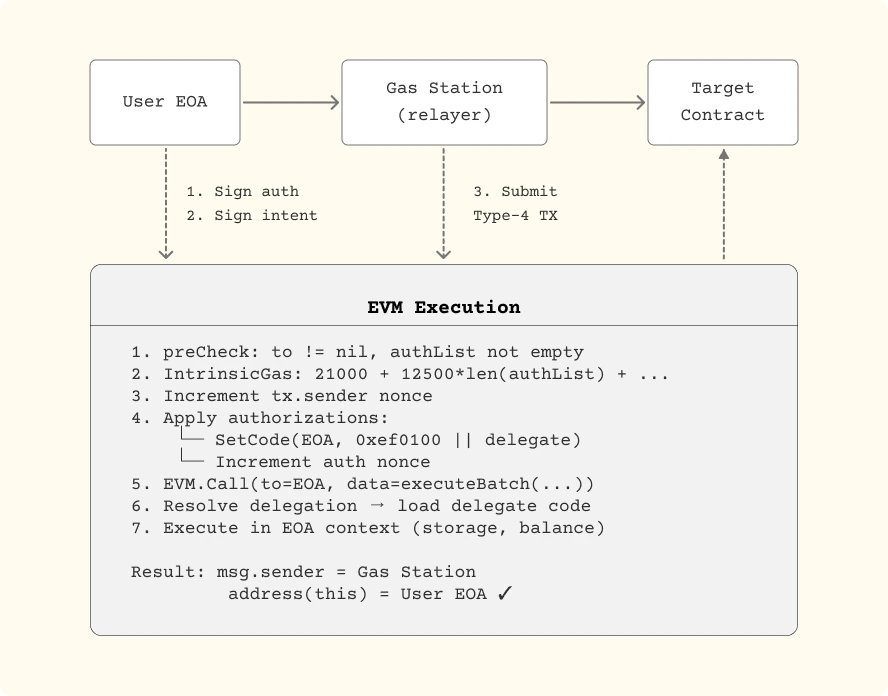
The core of EIP-7702 is the authorization transaction. Your system must be able to generate and sign a special message from the EOA that points to a specific smart contract code. Verify that your key management infrastructure can handle this specific transaction type. If your wallet or backend cannot sign this authorization, the delegation will fail, and the smart contract capabilities will not activate.
Audit Contract Code
Since the EOA is delegating to a smart contract, the security of that contract becomes your responsibility. Audit the contract code thoroughly for any vulnerabilities. EIP-7702 introduces two primary risks: smart contract risk and phishing risk. If the delegated contract has a flaw, the EOA's assets are compromised. Ensure the contract is verified and that you understand the exact permissions it holds.
Test on Supported Networks
EIP-7702 is enabled on Ethereum and several L2s, including Base, OP, and BNB Smart Chain. However, RPC implementations vary. Test your authorization flow on the specific chains you plan to support. Use a testnet first to confirm that the node correctly processes the type 0x05 transaction and that the delegation persists across subsequent interactions.
Work through the steps
EIP-7702 Migration works best as a clear sequence: define the constraint, compare the realistic options, test the tradeoff, and choose the path with the fewest hidden costs. That order keeps the advice usable instead of decorative. After each step, pause long enough to check whether the recommendation still fits the reader's actual situation. If it depends on perfect timing, unusual access, or a best-case budget, include a simpler fallback.
Fix common mistakes in EIP-7702 migration
EIP-7702 lets EOAs delegate to a smart contract without moving assets or changing addresses. This simplicity is exactly why teams rush into it. But skipping the setup details creates fragile integrations that fail under pressure. Most protocols delay because they treat the authorization as a one-time event rather than a stateful relationship.
Treating authorizations as permanent
The authorization is not a permanent migration. It is a temporary delegation that can be revoked by the user or expired by the contract logic. Teams often assume that once an EOA signs the authorization, it is locked in forever. This leads to "zombie" delegations where old, unused contracts still hold execution power. Always implement a clear revocation mechanism, such as a signature-based cancel function, so users can retract access instantly.
Ignoring phishing vectors
The main risks of EIP-7702 are smart contract risk and phishing risk. Attackers can trick users into signing authorizations that grant unlimited access to their wallet. Unlike standard token approvals, these authorizations allow the attacker to execute arbitrary logic. To avoid this, always display the target contract address and the specific functions being delegated in a clear, non-collapsible UI element. Never hide the delegation target behind a generic "Sign Transaction" button.
Skipping chain compatibility checks
Not all chains support EIP-7702 yet. While Ethereum, Base, and OP Stack chains have enabled it, others are still rolling out RPC support. Assuming universal compatibility causes transaction failures in production. Check the specific chain settings and RPC endpoints before deploying. Use a library that abstracts these differences, but verify the target network's EIP-7702 status explicitly in your deployment scripts.
Eip-7702 migration 2026: what to check next
EIP-7702 changes how Ethereum accounts work without forcing a full migration. Below are answers to the most common questions about the upgrade, risks, and chain support.
No comments yet. Be the first to share your thoughts!