
Eip-7702 migration 2026 limits to account for
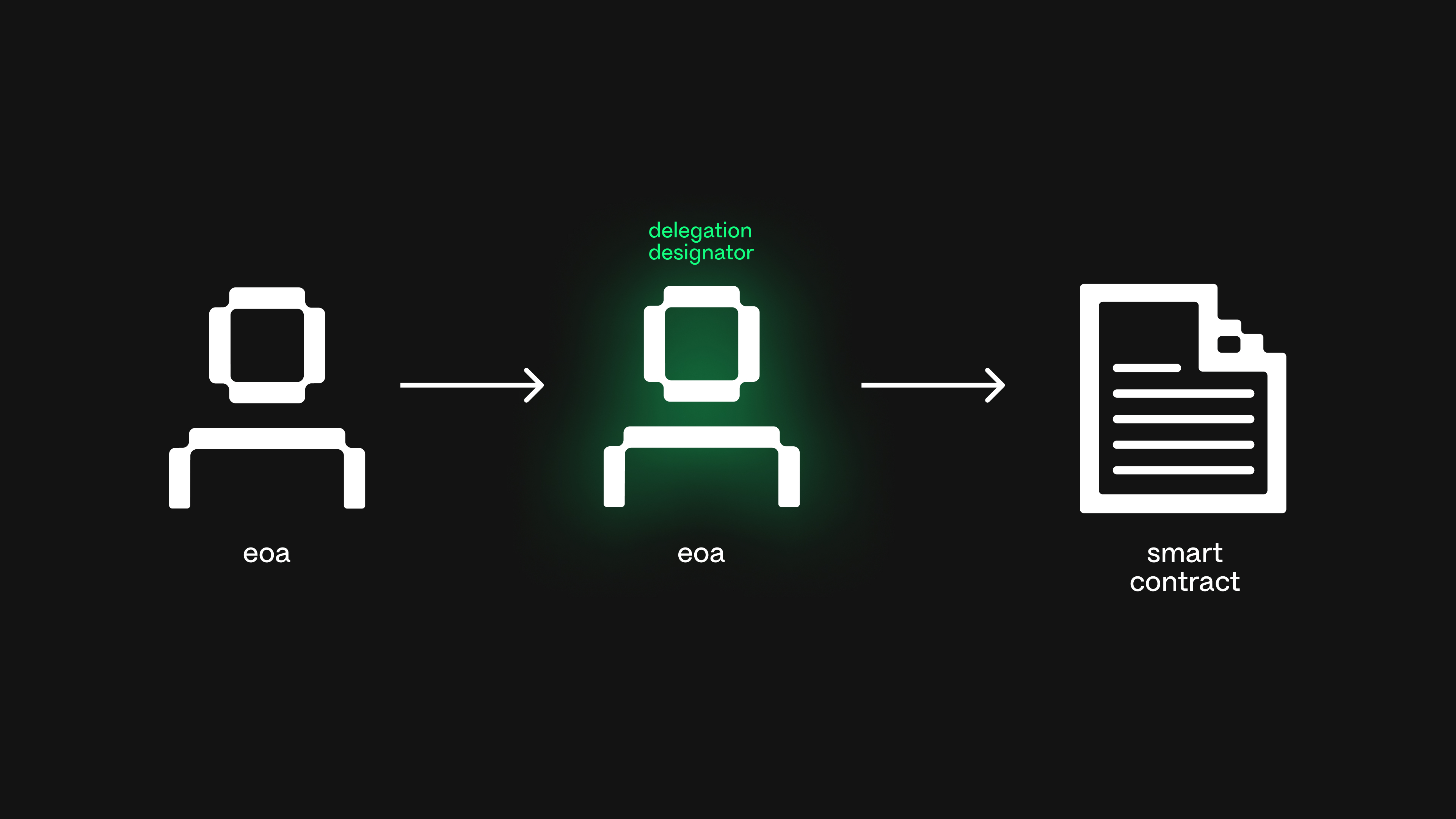
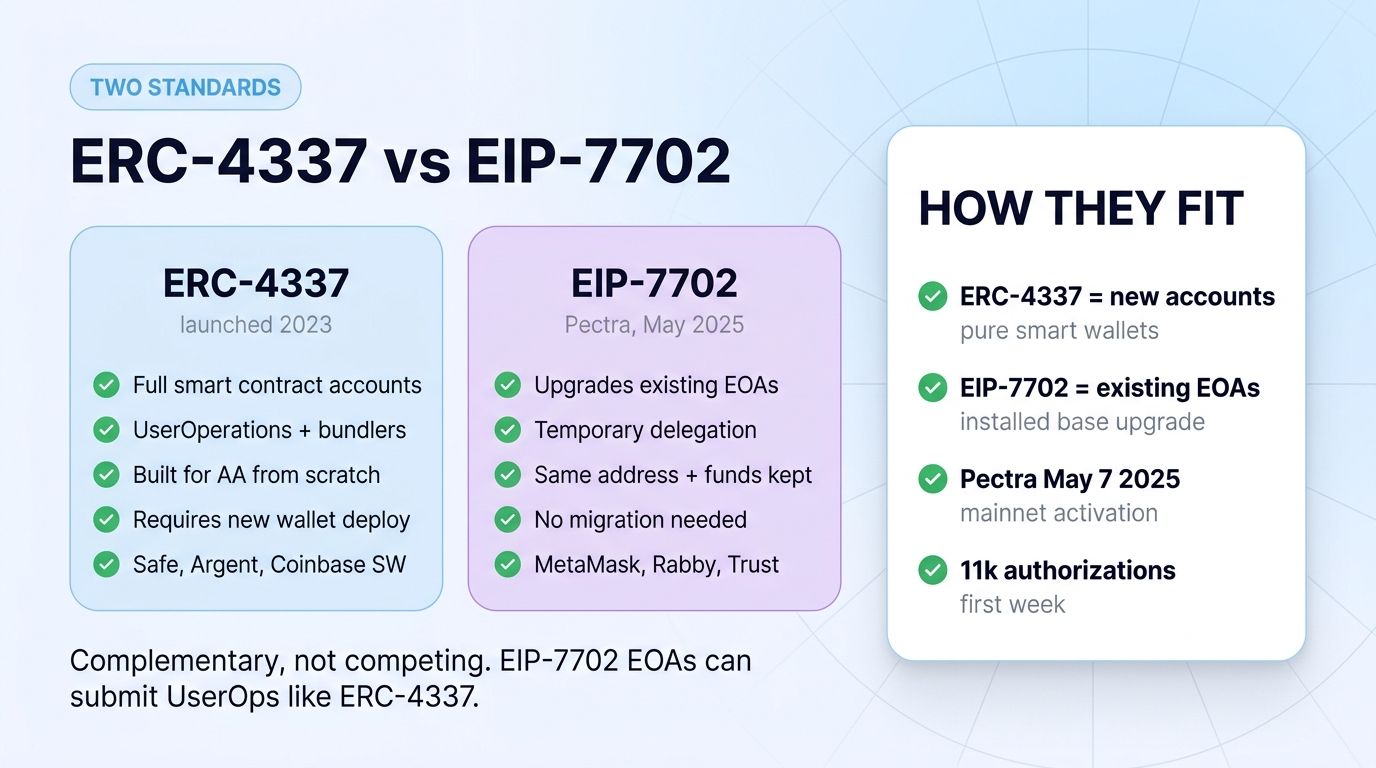
The idea of a "migration" for EIP-7702 is a common misconception. There is no permanent migration and no need to move funds or change addresses. EIP-7702, activated on Ethereum mainnet on May 7, 2025, as part of the Pectra hardfork, allows existing externally owned accounts (EOAs) to delegate execution to smart contracts. This means you can use account abstraction features like gas sponsorship and transaction batching without leaving your current wallet address.
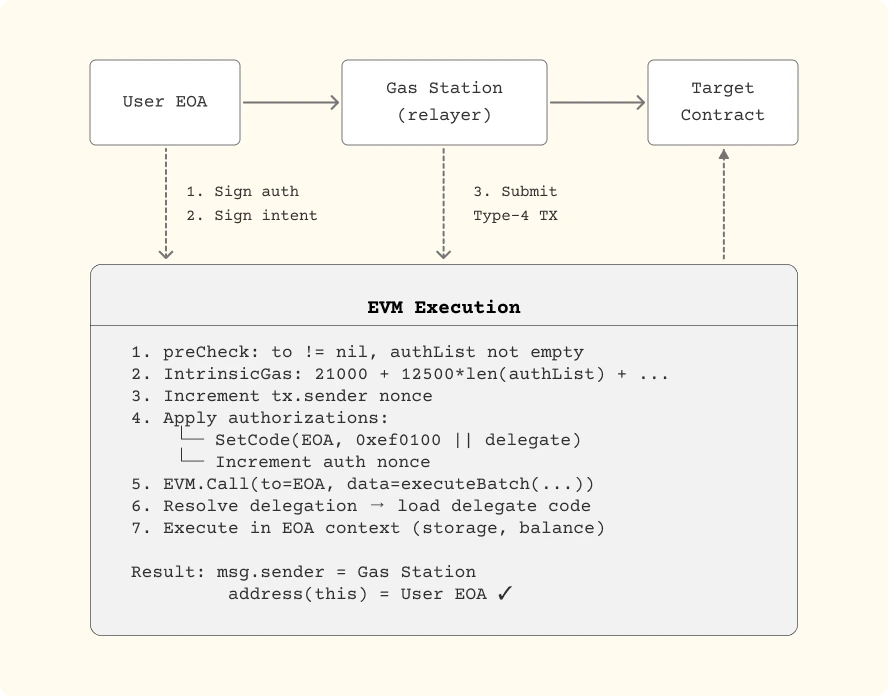
Instead of migrating, you authorize a smart contract to act on your behalf. This authorization is recorded on-chain but does not change your underlying account structure. You can revoke this delegation at any time, returning control to a standard EOA signature. This non-custodial approach keeps your assets secure while unlocking advanced functionality.
Comparison: EOA vs. Smart Contract Account
| Feature | Standard EOA | EIP-7702 Delegated EOA | Full Smart Contract Account |
|---|---|---|---|
| Address Change | No | No | Yes |
| Asset Transfer | No | No | Yes |
| Gas Sponsorship | No | Yes | Yes |
| Revocability | N/A | Yes | Variable |
Tradeoffs by Use Case
- Daily Transactions: EIP-7702 is ideal for users who want to batch transactions or have others pay gas fees without giving up control of their private key.
- Security: If you are concerned about smart contract vulnerabilities, the ability to revoke delegation quickly mitigates risk. However, the delegated contract itself must be audited.
- Compatibility: While supported on Ethereum, Base, OP, and others, not all dApps support EIP-7702 transactions yet. Check compatibility before delegating.
Decision: Should You Delegate?
Delegate if you need advanced features like paymaster gas sponsorship or transaction batching while keeping your familiar EOA address. Avoid delegation if you are uncomfortable with smart contract interactions or if your primary dApps do not yet support EIP-7702. The constraint is not technical but practical: ensure your target applications are ready for the new transaction type.
Eip-7702 migration 2026 choices that change the plan
EIP-7702 allows Externally Owned Accounts (EOAs) to delegate execution to smart contracts without permanently migrating assets or changing addresses. This capability, enabled by the Pectra hardfork on May 7, 2025, introduces specific tradeoffs between simplicity and security that require careful evaluation. The following comparison highlights the core differences between traditional EOAs and EIP-7702-enabled accounts.
| Feature | Standard EOA | EIP-7702 Account |
|---|---|---|
| Address | Fixed | Fixed |
| Execution Logic | Basic signature | Smart contract |
| Gas Sponsorship | Not native | Supported |
| Recovery | Seed phrase only | Social/recovery logic |
| Complex Transactions | Single step | Batched |
The primary tradeoff is the shift from deterministic security to logic-based security. Standard EOAs rely solely on private key possession, offering a clear, binary security model. EIP-7702 accounts introduce smart contract logic, enabling features like social recovery and gas sponsorship but also introducing potential vulnerabilities in the delegated contract code. Users must trust the integrity of the smart contract they delegate to, adding a layer of complexity to their security posture.
Another consideration is the temporary nature of the delegation. EIP-7702 authorizations are recorded on-chain but can be revoked, allowing users to revert to standard EOA behavior. This flexibility is advantageous for testing new features or recovering from compromised contracts. However, it also means that account capabilities are not permanent, requiring users to manage their delegation status actively.
For most users, the decision to adopt EIP-7702 depends on their need for advanced features. If you require gas sponsorship, batched transactions, or social recovery, EIP-7702 offers significant benefits. However, if you prioritize simplicity and minimal attack surface, a standard EOA may be preferable. Evaluate your specific use case and security tolerance before delegating your EOA to a smart contract.
Choose the next step
EIP-7702 Migration works best as a clear sequence: define the constraint, compare the realistic options, test the tradeoff, and choose the path with the fewest hidden costs. That order keeps the advice usable instead of decorative. After each step, pause long enough to check whether the recommendation still fits the reader's actual situation. If it depends on perfect timing, unusual access, or a best-case budget, include a simpler fallback.
Watch Out for Misleading Claims
EIP-7702 allows external accounts (EOAs) to delegate execution to smart contracts without changing addresses or migrating funds. Despite this simplicity, several misleading narratives have emerged that can lead to unnecessary complexity or security risks.
"You Must Migrate Your Wallet"
Some guides suggest you need to "migrate" your wallet to use EIP-7702. This is incorrect. As noted by Eco and Openfort, EIP-7702 explicitly avoids requiring migration. Your existing EOA address remains unchanged; you simply sign an authorization message to link it to a smart contract. Any service claiming you must transfer assets or create a new account is likely selling an outdated or incompatible solution.
"Full Account Abstraction Requires Smart Accounts"
A common misconception is that EIP-7702 provides full account abstraction. It does not. EIP-7702 enables smart EOAs, which offer specific capabilities like gas sponsorship and batching, but they lack the full programmability of true smart accounts. If you need complex logic, such as multi-sig conditions or social recovery, a dedicated smart account is still the better choice. EIP-7702 is a bridge, not a replacement.
"All Chains Support It Equally"
While EIP-7702 went live on Ethereum mainnet on May 7, 2025, as part of the Pectra hardfork, support on other chains varies. Ethereum, Base, OP, and BNB Smart Chain are among the early adopters, but implementation details and RPC settings differ. Always verify the specific chain’s RPC configuration before assuming full compatibility. Don’t assume mainnet readiness translates directly to Layer 2s or sidechains without checking their official documentation.
Eip-7702 migration 2026: common: what to check next
EIP-7702 removes the friction of account migration by allowing existing Externally Owned Accounts (EOAs) to delegate execution to smart contracts. This section addresses the most frequent questions about implementation, capabilities, and chain support.
Helpful gear
Use these product recommendations as a starting point, then choose the size, material, and price point that fit how you actually use the gear.
As an Amazon Associate, we may earn from qualifying purchases.
No comments yet. Be the first to share your thoughts!