
EIP-7702 Migration 2026: Implementation and Comparison
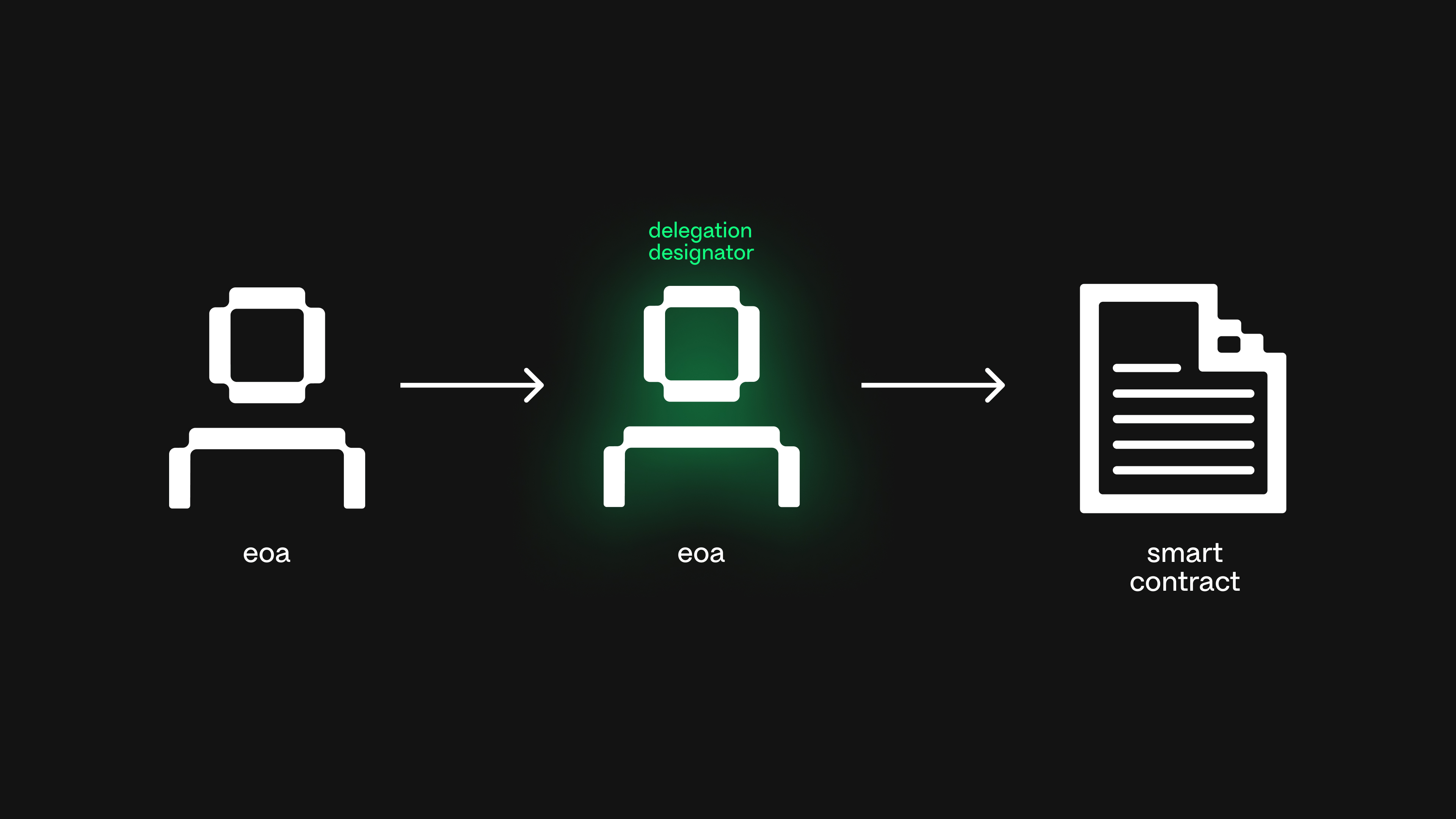
EIP-7702 was activated as part of the Pectra upgrade in 2026, enabling Externally Owned Accounts (EOAs) to delegate signing authority to smart contracts without moving funds. This change allows legacy wallets to access account abstraction features like session keys and gas sponsorship immediately. Below is a comparison of EIP-7702 against ERC-4337 to help you choose the right path for your use case.
| Factor | EIP-7702 | ERC-4337 |
|---|---|---|
| Architecture | ||
| Asset Migration | ||
| Execution | ||
| Security Model |
Choose the Next Step
EIP-7702 migration works best as a clear sequence: define the constraint, compare the realistic options, test the tradeoff, and choose the path with the fewest hidden costs. That order keeps the advice usable instead of decorative.
After each step, pause long enough to check whether the recommendation still fits the reader's actual situation. If it depends on perfect timing, unusual access, or a best-case budget, include a simpler fallback.
-
Verify Wallet SupportConfirm your wallet provider supports TYPE-4 transactions and signed delegation before proceeding.
-
Test on SepoliaDeploy a test contract and execute a delegation flow on the Sepolia testnet to validate signatures.
-
Check Gas LimitsEnsure your gas limits are correctly configured for the additional computation of delegated execution.
-
Review Reversion LogicUnderstand how and when the EOA code slot reverts to null to avoid unexpected state issues.
Common EIP-7702 Migration Mistakes
Adopting EIP-7702 requires distinguishing between delegation and full migration. A frequent error is assuming the process involves transferring assets or changing addresses. EIP-7702 allows Externally Owned Accounts (EOAs) to delegate authority to smart contracts without moving funds. This distinction prevents unnecessary complexity and preserves user identity during the upgrade.
Weak Options and Misleading Claims
Many guides conflate EIP-7702 with ERC-4337. While both enable account abstraction, they operate differently. EIP-7702 modifies the EOA directly, whereas ERC-4337 uses a separate bundler and paymaster system. Choosing the wrong path can lead to higher gas costs or compatibility issues with existing wallets. Verify your wallet provider’s support for signed delegation transactions before proceeding.
Decision Framework
Use EIP-7702 if you want native EOA functionality with smart contract capabilities. Opt for ERC-4337 if you need session keys or social recovery without modifying the base account. Always test on a testnet first to ensure your delegation signatures are valid and your gas limits are correctly configured.
No comments yet. Be the first to share your thoughts!