
EIP-7702 migration 2026 limits to account for
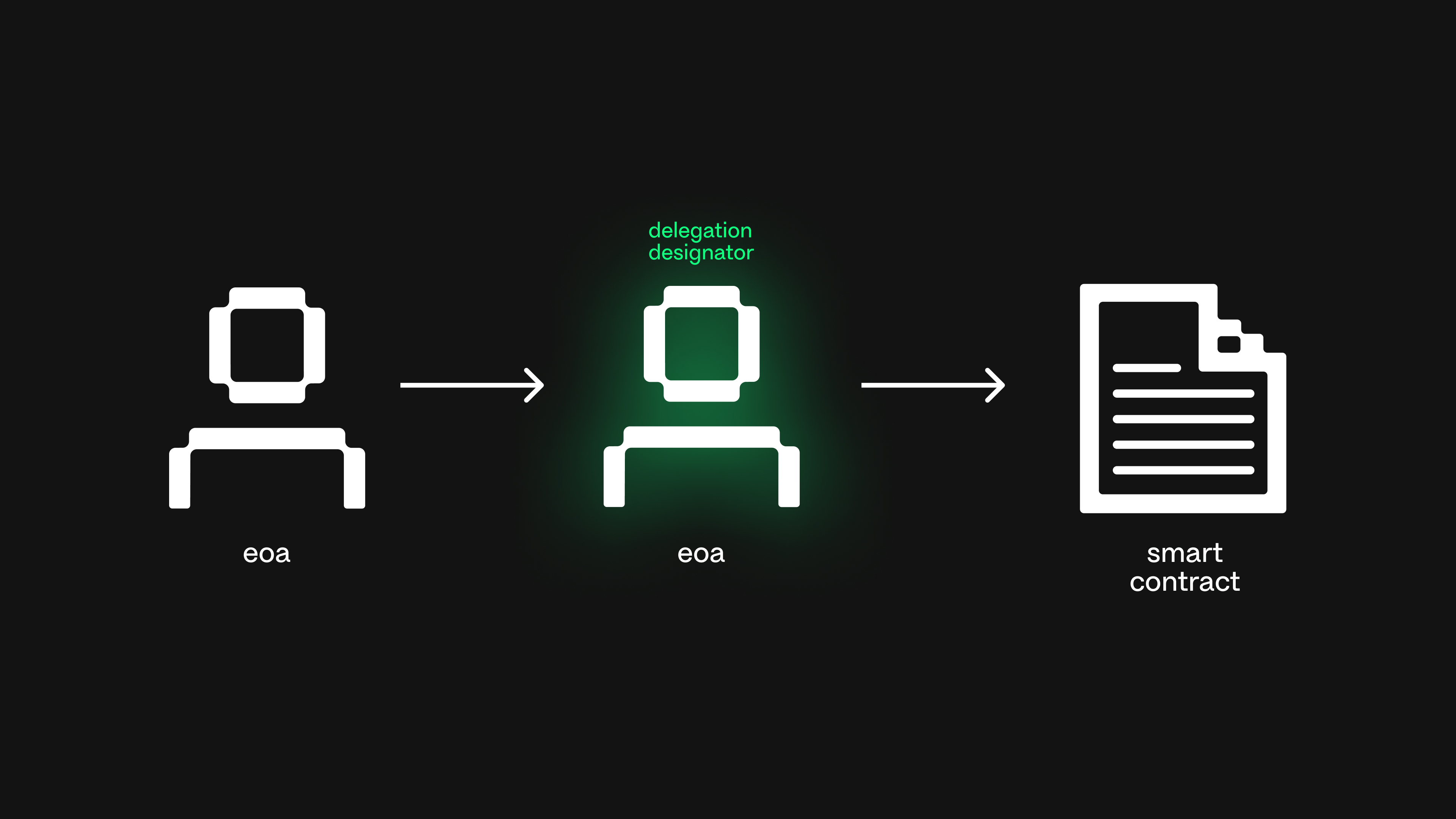
The 2026 EIP-7702 upgrade is not a migration. It is a delegation layer that lets externally owned accounts (EOAs) adopt smart contract features without moving funds or changing addresses. Users keep their existing keys and balances while gaining access to account abstraction capabilities like paymasters and session keys.
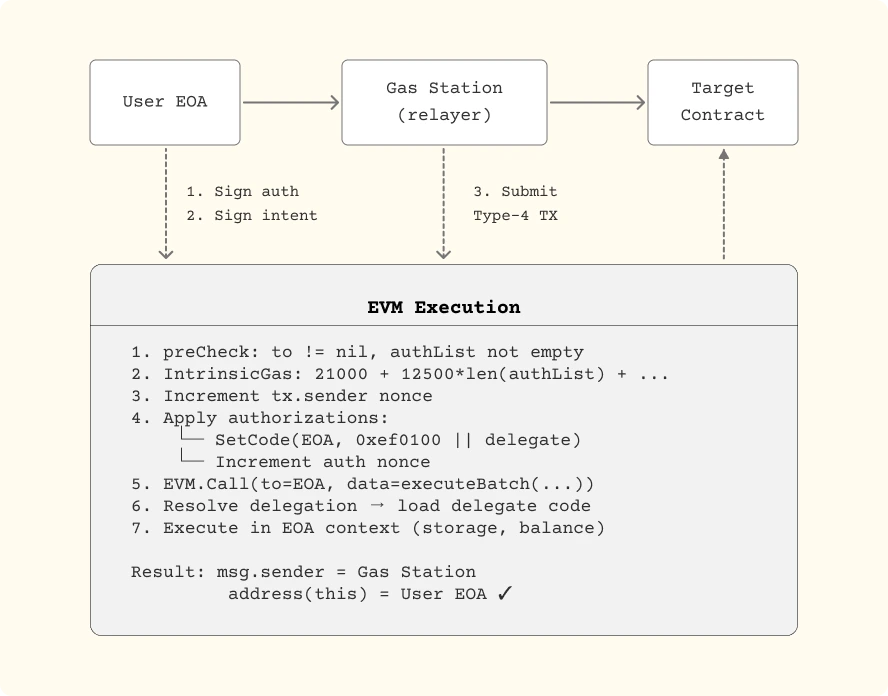
This distinction matters because it removes the friction of traditional wallet migrations. There is no asset transfer, no new address generation, and no permanent state change required on the blockchain. Your EOA simply signs a special transaction that registers a smart contract code hash, allowing that contract to control future transactions from that address.
The implementation went live on Ethereum's Pectra upgrade, bringing this functionality to the primary settlement layer. Other chains are evaluating similar support, but Ethereum remains the reference implementation for this standard. The constraint is that this only affects the delegation relationship; the underlying EOA remains the same, and the smart contract can only act within the permissions granted during delegation.
| Feature | Standard EOA | Delegated EOA |
|---|---|---|
| Address change | No | No |
| Fund transfer | Required | Not required |
| Smart contract control | No | Yes, via delegation |
| Session keys | No | Yes |
EIP-7702 implementation choices that change the plan
Choosing the right path for EIP-7702 requires a clear sequence: define the constraint, compare realistic options, test the tradeoff, and choose the path with the fewest hidden costs. That order keeps the advice usable.
After each step, pause to check whether the recommendation fits your actual situation. If it depends on perfect timing, unusual access, or a best-case budget, include a simpler fallback.
| Factor | What to check | Why it matters |
|---|---|---|
| Fit | Match the option to the primary use case. | A good deal still fails if it does not fit the job. |
| Condition | Verify contract audit status and code complexity. | Hidden vulnerabilities in the delegated contract erase upfront savings. |
| Cost | Compare gas costs for delegation vs. standard transactions. | The cheapest option is not always the lowest-cost option if it requires frequent re-delegation. |
Choose the Next Step for EIP-7702
EIP-7702 removes the friction between simple key pairs and smart contract logic. You no longer need to migrate assets or change addresses to access account abstraction features. The decision framework below helps you determine whether to activate delegation now or wait for broader ecosystem support.
Check if your existing wallet supports EIP-7702 transactions. Most modern wallets like MetaMask or Rabby allow you to sign an authorization (EOA delegation) without moving funds. If your wallet is outdated, update it first. This step is purely about readiness, not migration.
Determine why you need smart contract logic. If you want to sponsor gas fees, implement session keys, or add multi-sig safety to an eOA, EIP-7702 is the direct path. If you need complex logic that requires full contract deployment, stick to standard smart accounts. EIP-7702 is for delegation, not replacement.
Verify that the chain you use supports EIP-7702. Mainnet and most L2s now have this capability. However, some niche chains or testnets may lag. Check the chain’s documentation or block explorer to confirm that the 7702 transaction type is active and recognized by validators.
Sign the EIP-7702 authorization transaction. This links your eOA to a smart contract address. The contract remains dormant until you interact with it. You retain full control of your private keys. This action is reversible and does not lock your funds in a new contract.
| Feature | Standard eOA | EIP-7702 Delegated eOA |
|---|---|---|
| Gas Sponsorship | No | Yes |
| Session Keys | No | Yes |
| Address Change | N/A | No |
| Migration Required | N/A | No |
Avoid the weak options
The easiest mistake when adopting EIP-7702 is comparing options on the most visible detail while ignoring the day-to-day constraint. A choice can look strong on paper and still fail because it is too hard to maintain, too expensive to repeat, or awkward in the actual setting.
Use the same checklist for every option: fit, cost, durability, timing, upkeep, and fallback plan. That keeps the comparison practical instead of drifting into preference alone.
The simplest way to use this section is to write down the real constraint first, compare each option against it, and choose the path that still works outside ideal conditions.
No comments yet. Be the first to share your thoughts!