
EIP-7702 Status 2026
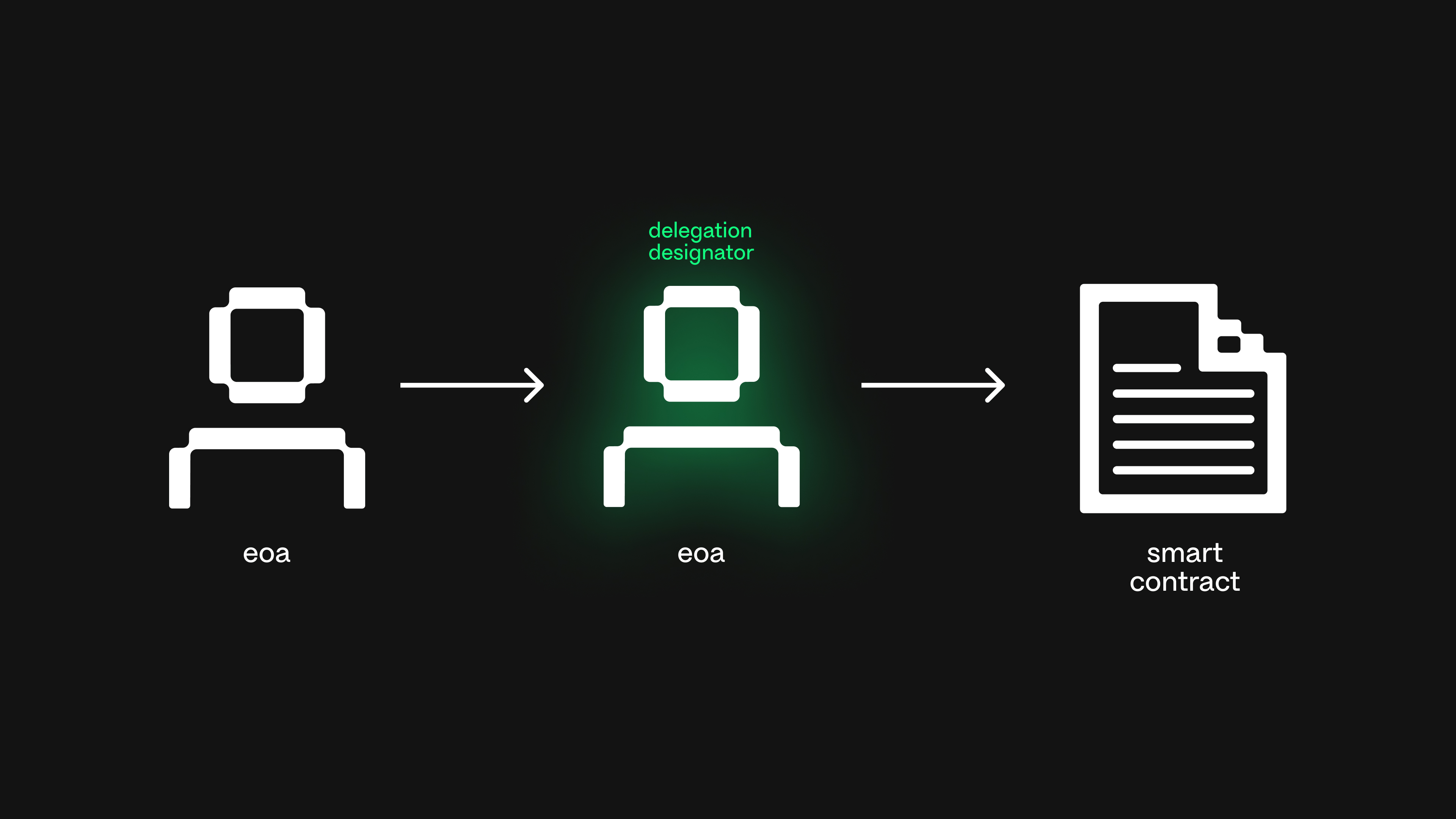
EIP-7702 activated on Ethereum mainnet on May 7, 2025, introducing a delegation mechanism for Externally Owned Accounts (EOAs). This upgrade allows EOAs to temporarily set code, enabling smart contract capabilities without permanent structural changes to the account. The protocol does not migrate accounts; it grants temporary authorization for execution.
Delegation vs. Migration
The narrative surrounding EIP-7702 often mischaracterizes the upgrade as a "migration" of accounts. This is technically incorrect. EIP-7702 introduces a mechanism for delegation, not a permanent conversion of EOAs into smart contract wallets. According to the official EIP-7702 specification, the standard adds a new transaction type allowing EOAs to set code temporarily. This is a permission grant, not a change of ownership or a permanent structural shift. An EOA can authorize a smart contract to act on its behalf for a specific session, after which the account reverts to its standard state.
This distinction is critical. Wallet providers are not facing a migration deadline; they are deciding whether to implement a delegation pattern. The "migration" narrative suggests urgency that does not exist in the protocol. Users can continue using their EOAs exactly as before, with no change to their security model or custody structure, unless they explicitly choose to delegate.
ERC-4337, or account abstraction, requires users to deploy a new smart contract wallet, changing the user's address and necessitating a complete transfer of assets and approvals. In contrast, EIP-7702 allows existing EOAs to delegate execution to a smart contract via a one-time signature. The address remains the same. Users retain their legacy account structure while accessing smart features like gas sponsorship and session keys. This is an integration of capability, not a migration of custody.
| Feature | ERC-4337 Smart Account | EIP-7702 EOA Delegation |
|---|---|---|
| Address Change | Yes (new contract address) | No (same EOA address) |
| Asset Migration | Required (move funds) | Not required |
| Gas Sponsorship | Yes (via Bundler) | Yes (via delegate) |
| Recovery | Smart contract logic | EOA private key |
Adoption Lag in 2026
Two years after the Pectra upgrade, the anticipated mass adoption of EIP-7702 has stalled. The technology works, but the path to integration is blocked by technical debt and unresolved security concerns. Wallet providers are treating delegation not as a simple feature update, but as a high-stakes liability shift.
The core friction lies in the fundamental change to how EOAs function. Under EIP-7702, an EOA can delegate its transaction execution to a smart contract. While this grants EOAs "smart account" capabilities like session keys and batched transactions, it also exposes the user's private key to the logic of the delegated contract. If that contract contains a bug, the user's assets are at risk. This is a reversal of the traditional EOA model, where the account is protected by simple cryptographic signatures rather than complex code.
Technical implementation adds another layer of complexity. Wallets must now manage two distinct states for every account: the traditional EOA state and the potential delegated state. This requires changes to how wallets sign transactions, verify balances, and display account history. Most major wallet providers have prioritized stability over new features, opting to wait for industry-wide standards on how to handle these dual states safely.
Market dynamics also play a role. The primary benefit of EIP-7702—reduced gas costs for account abstraction actions—has not materialized as dramatically as initially projected. With Layer 2 solutions continuing to drive down transaction fees, the urgent need for EOA delegation has diminished for most retail users. Wallet providers see little incentive to undertake the costly engineering work required to support EIP-7702 when the user demand is not yet there.
The result is a fragmented landscape. Some specialized wallets have adopted EIP-7702 for specific use cases, such as social recovery or session keys, but mainstream adoption remains low. Until the security model is more clearly defined and the user experience is simplified, most wallets will continue to treat EIP-7702 as an optional, experimental feature rather than a standard component.
Hardware Wallet Integration
The primary bottleneck for EIP-7702 adoption is not the protocol itself, but the hardware wallet ecosystem. Major devices like Ledger and Trezor have yet to fully integrate the delegation logic required for EIP-7702 authorizations. This gap leaves self-custody users unable to safely sign the new authorization transactions needed for account abstraction features.
Unlike software wallets that can update client-side logic quickly, hardware wallets require firmware updates and strict security audits. Until these updates are released and verified, the delegation mechanism remains inaccessible for cold storage users. This creates a two-tier system where only users with active software wallets can leverage the new functionality.
The risk is significant. Attempting to force EIP-7702 transactions through unsupported hardware often results in failed signatures or, worse, the exposure of private keys if users resort to insecure workarounds. The Ethereum Improvement Proposal (EIP) itself does not mandate immediate hardware support, but the ecosystem's reliance on these devices for security makes their delay a critical friction point.
Recommended Hardware Wallets
For users currently waiting for EIP-7702 support, choosing a device with a strong developer community and regular firmware updates is essential. Below are popular options often recommended for their security track record, though EIP-7702 compatibility should be verified with the manufacturer before use.



As an Amazon Associate, we may earn from qualifying purchases.
Until hardware wallet support matures, users seeking EIP-7702 benefits should carefully evaluate their security needs against the convenience of account abstraction features.
Developer Implementation Guide
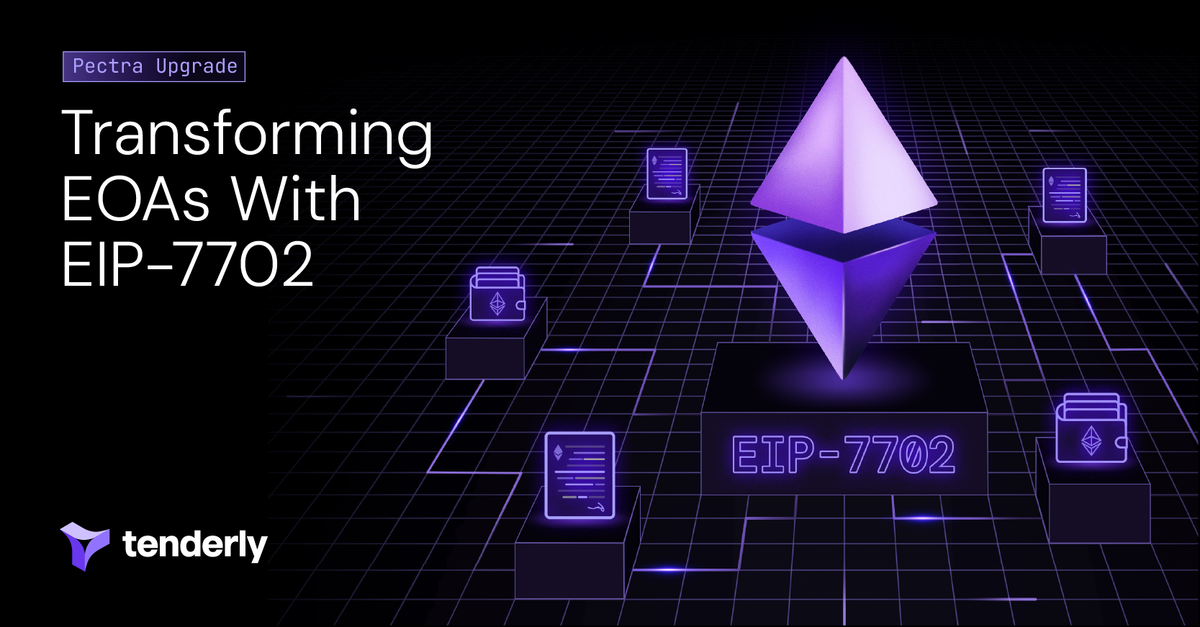
EIP-7702 allows Externally Owned Accounts to delegate signing authority to smart contracts without deploying new code. For dApp developers, this integration introduces a new transaction type that requires precise handling of authorization signatures. The shift from static key management to dynamic delegation demands rigorous validation logic.
Verify wallet support before integration
Not all wallets support the new EIP-2718 transaction type. Integrate a feature detection module to identify wallet capabilities before prompting for signatures. If a wallet cannot process 7702 authorizations, fall back to standard EOA signing or prompt the user to switch wallets. Building on unsupported clients risks failed transactions and user friction.
Handle delegation signatures correctly
The core of EIP-7702 is the EIP-7702SetCodeTx transaction. Developers must construct this transaction with the correct authorizationList array. Each authorization contains a chain ID, nonce, address, y-parity, r, and s values. Ensure your library correctly serializes these values. Incorrect serialization will cause the network to reject the delegation attempt.
Manage revocation logic
Delegation is not permanent. Users can revoke authority by changing their nonce or sending a new authorization. Your application must track the current state of each delegated account. If a revocation occurs, your smart contract logic must immediately stop accepting signatures from the old delegation. Failure to handle revocation creates a security vulnerability where stale authorizations could be exploited.
eth_requestCapabilities
or similar methods to verify support before initiating the delegation flow.
authorizationList
with valid chain IDs and nonces. Ensure the signature components (r, s, y-parity) are correctly formatted for the EIP-2718 envelope. 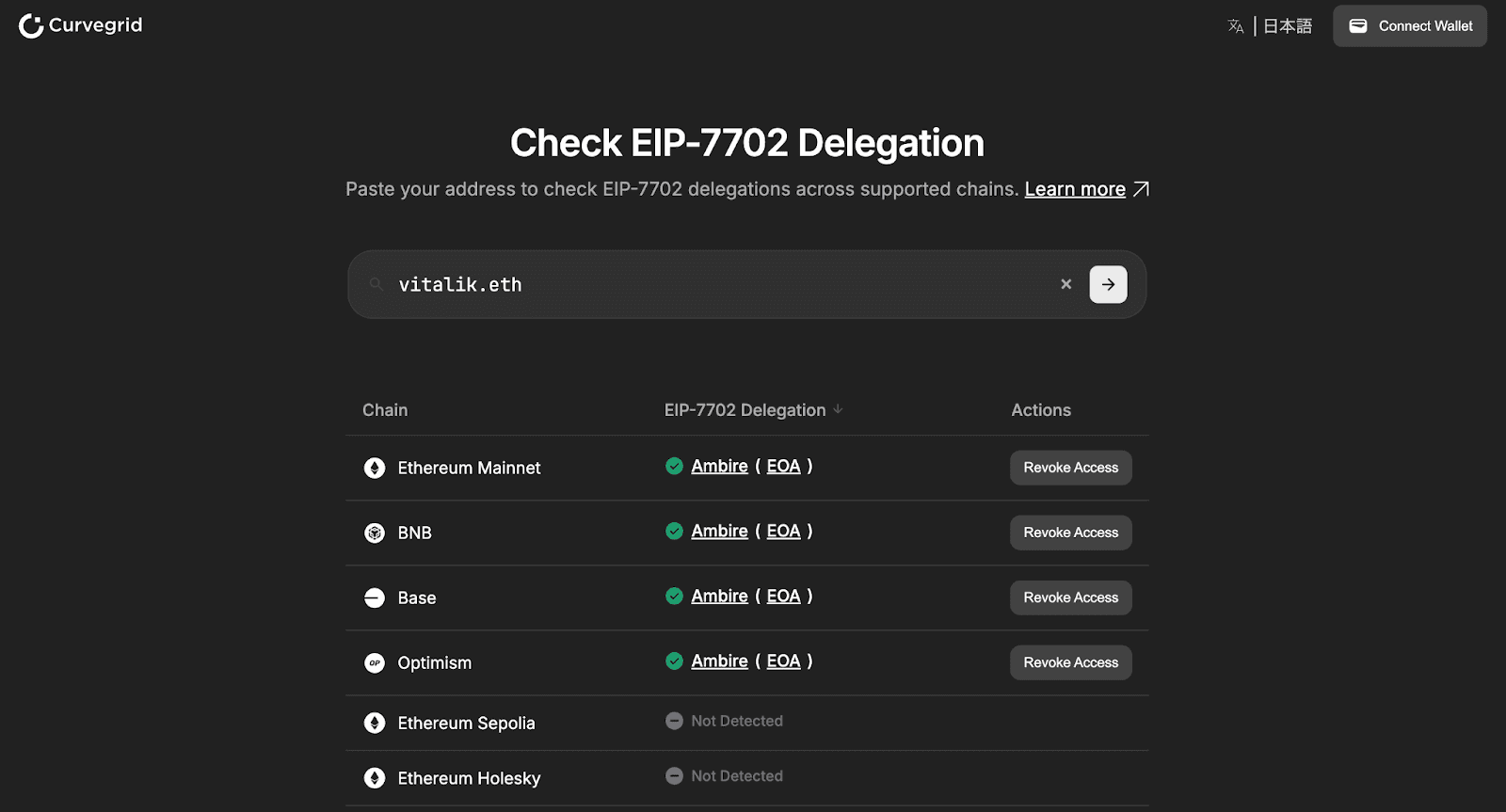
Market Impact and Network Activity
The Pectra upgrade, which activated EIP-7702 in May 2025, introduced delegation capabilities to Externally Owned Accounts. This integration allows EOAs to temporarily behave as smart wallets without requiring a permanent migration or address change. The primary utility lies in gas sponsorship and session keys, features previously reserved for smart contract wallets [source: EIP-7702].
Market reaction to the Pectra upgrade has been measured. Ethereum’s price action reflects broader macro trends rather than immediate adoption spikes from EIP-7702. The delegation feature is a backend infrastructure change; its value accrues through reduced friction for users and developers, not through speculative asset premiums. Investors should monitor on-chain volume and transaction complexity metrics to gauge real utility.
Frequently asked: what to check next
Is EIP-7702 implemented?
Yes. The protocol is live and active. It was deployed as part of the Pectra upgrade, which finalized on May 7, 2025. Wallets supporting this feature allow users to sign specific delegation transactions without altering their underlying key structure.
When did EIP-7702 go live?
The activation date was May 7, 2025. This timeline places the upgrade firmly in the recent past, meaning any claims suggesting it is still in testing or scheduled for future release are factually incorrect. The mainnet is currently processing these authorization transactions.
Which chains support EIP-7702?
EIP-7702 is specific to the Ethereum mainnet. While Layer 2 solutions may adopt compatibility layers, the core protocol change applies only to Ethereum. Other blockchains operate on different consensus and execution layers that do not natively support this specific EIP without independent implementation.
What are EIP-7702 authorizations?
Authorizations are temporary delegation signatures. They allow an Externally Owned Account to act like a smart wallet for a specific session or transaction batch. This delegation is explicit and revocable, avoiding the need for a permanent migration of funds or keys. For detailed technical specifications, refer to the official EIP-7702 documentation.
No comments yet. Be the first to share your thoughts!