
Budget-fit EIP-7702 wallets
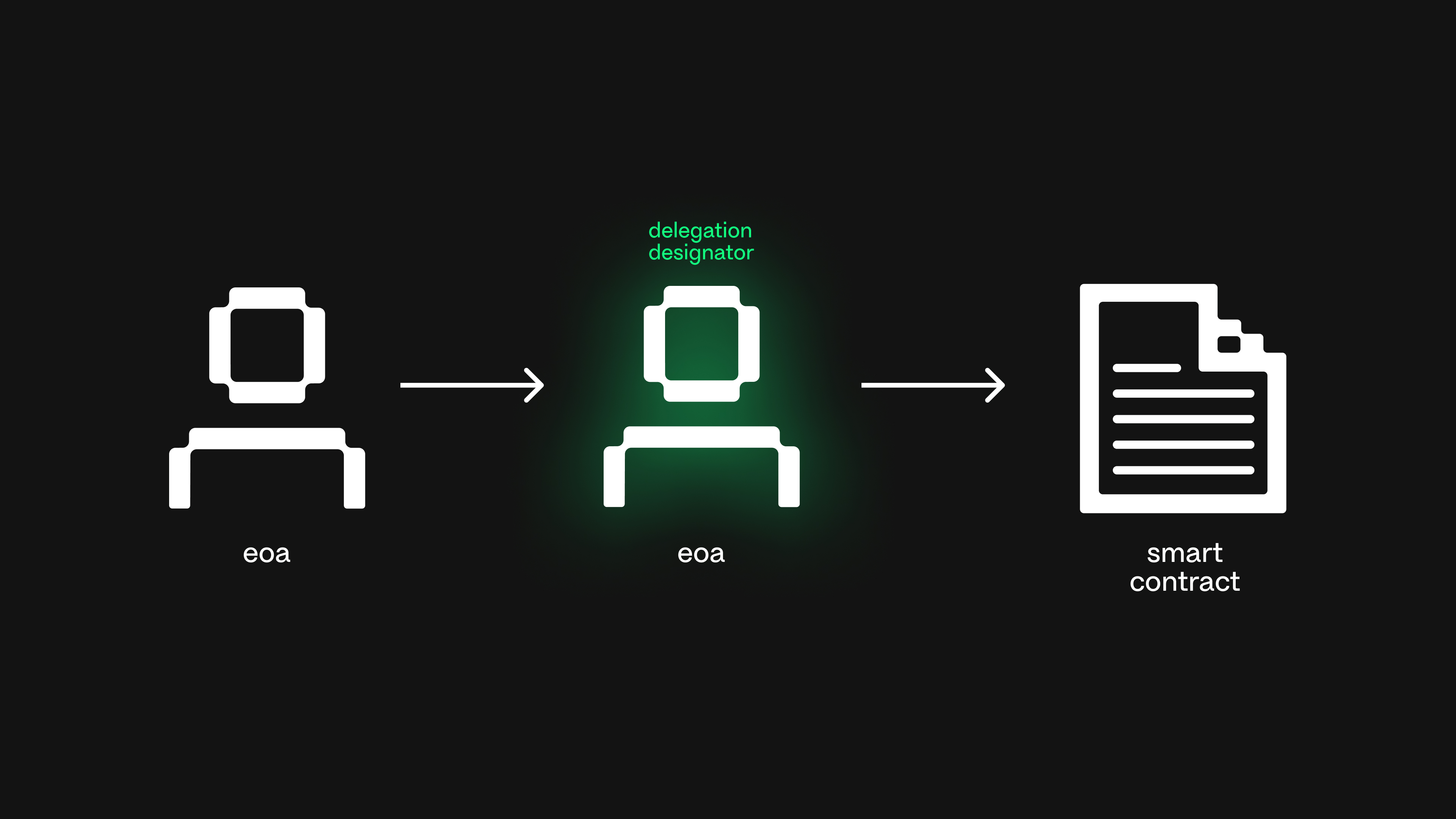
EIP-7702 (Set Code for EOAs) upgrades legacy wallets by letting them temporarily act like smart contracts. This means you can use familiar hardware wallets for complex transactions without migrating your entire balance. The tradeoff is clear: you get modern functionality, but you must trust the security of the device and the implementation of the EIP itself.
When choosing a hardware wallet for EIP-7702, prioritize devices with proven track records and active development. Avoid obscure brands with no audit history. The following options represent the most reliable entry points for users ready to adopt account abstraction.


As an Amazon Associate, we may earn from qualifying purchases.
Each device has its own strengths. Ledger offers broad app support and Bluetooth for mobile convenience. Trezor provides a transparent open-source ecosystem with a tactile touchscreen. KeepKey focuses on simplicity with a large screen for easy verification. Choose based on your comfort with connectivity and interface style.
Shortlist real options
EIP-7702 works best as a clear sequence: define the constraint, compare the realistic options, test the tradeoff, and choose the path with the fewest hidden costs. That order keeps the advice usable instead of decorative. After each step, pause long enough to check whether the recommendation still fits the reader's actual situation. If it depends on perfect timing, unusual access, or a best-case budget, include a simpler fallback.
| Factor | What to check | Why it matters |
|---|---|---|
| Fit | Match the option to the primary use case. | A good deal still fails if it does not fit the job. |
| Condition | Verify age, wear, and service history. | Hidden condition issues erase upfront savings. |
| Cost | Compare purchase price with likely upkeep. | The cheapest option is not always the lowest-cost option. |
Inspect the expensive parts
EIP-7702 works best as a clear sequence: define the constraint, compare the realistic options, test the tradeoff, and choose the path with the fewest hidden costs. That order keeps the advice usable instead of decorative. After each step, pause long enough to check whether the recommendation still fits the reader's actual situation. If it depends on perfect timing, unusual access, or a best-case budget, include a simpler fallback.
Plan for ownership costs
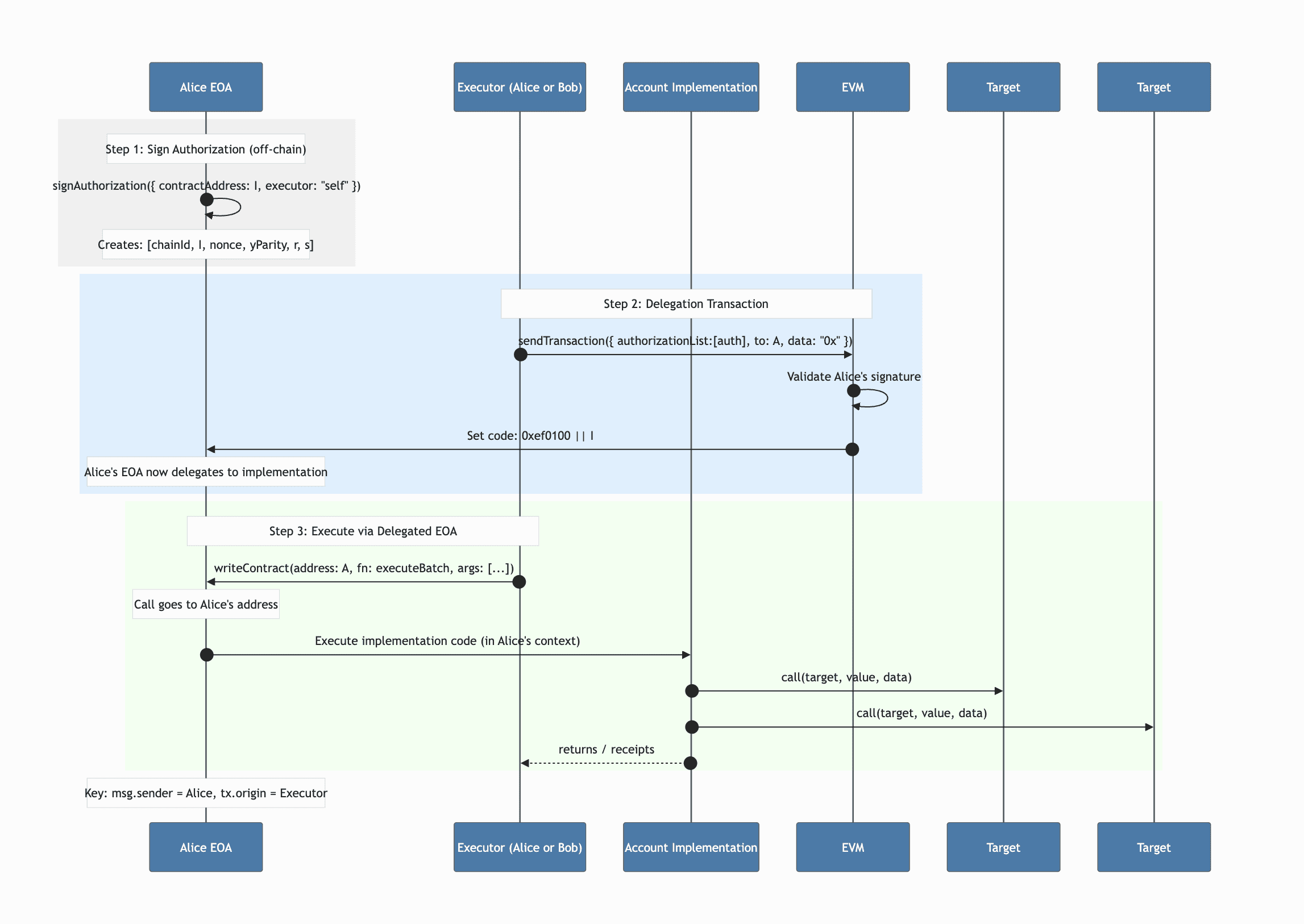
The initial cost of adopting EIP-7702 is often just the deployment fee, but the real expense lies in the ongoing maintenance and security overhead. When an Externally Owned Account (EOA) sets code to point to a smart contract, it becomes dependent on that contract’s integrity. If the contract is updated, upgraded, or compromised, your account’s behavior changes instantly. This creates a "maintenance surprise" where a cheap entry point masks significant long-term liability.
A low-cost acquisition stops being cheap when you factor in the audit and monitoring required to keep the linked contract secure. You are no longer just holding keys; you are managing a dependency. If the contract logic drifts from your intended use case, or if a vulnerability is discovered in the contract code, your EOA funds are at risk. The cost of remediation—revoke access, migrate funds, and re-establish security—is far higher than the initial setup.
To mitigate these risks, treat the contract link as a permanent commitment until you actively break it. Regularly audit the contract’s source code and monitor for upgrades. If the contract is not actively maintained or if its security model is opaque, the ownership cost outweighs the convenience. Always verify the contract’s address and its current state before relying on it for critical transactions.


As an Amazon Associate, we may earn from qualifying purchases.
Eip-7702: what to check next
EIP-7702 is now live on Ethereum mainnet as part of the Pectra upgrade. It allows Externally Owned Accounts (EOAs) to temporarily delegate their transaction authority to smart contract wallets. This enables features like gasless transactions and session keys without requiring users to deploy a new contract.
No comments yet. Be the first to share your thoughts!