
Get eip-7702 migration right
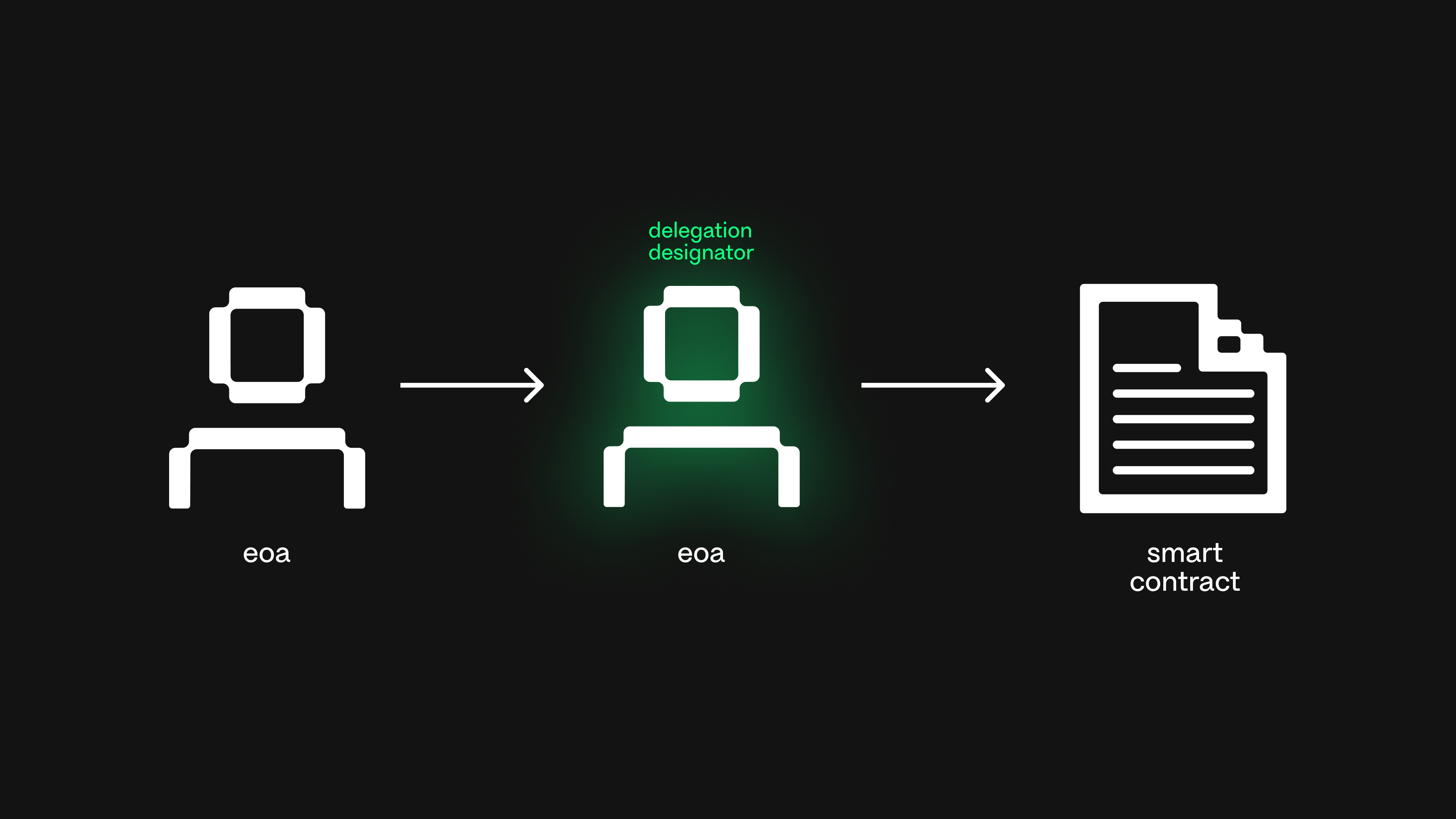
Before you refactor your wallet interface or smart contract integration, you need to verify that your infrastructure can handle the new EIP-2718 transaction type. EIP-7702 allows Externally Owned Accounts (EOAs) to set code in their account, effectively bridging the gap between simple wallets and smart accounts without changing the user’s address. This is a significant shift in how Ethereum handles authorization, so skipping the prerequisites step can lead to failed transactions or stranded funds.
Start by auditing your node providers. Not all RPC endpoints currently support the 7702 transaction type or the new SETCODE opcode. If your backend relies on an older node version, your signed authorization transactions will be rejected at the mempool level. Check your provider’s changelog or run a local testnet simulation to confirm compatibility before touching mainnet.
Next, verify your signature verification logic. EIP-7702 uses a new authorization structure that must be validated before the code is executed. Ensure your verification library can parse the new EIP-7702 transaction payload and correctly validate the yParity and signature components. If your library doesn’t support this, you’ll need to update your dependencies or implement a custom verification routine.
Finally, test the delegation flow in isolation. Create a test scenario where an EOA signs an authorization to delegate its code to a smart contract. Send this transaction on a testnet and verify that the EOA’s state reflects the new code hash. This simple check confirms that your wallet can generate the correct authorization and that the network accepts it.
Work through the steps
EIP-7702 works best as a clear sequence: define the constraint, compare the realistic options, test the tradeoff, and choose the path with the fewest hidden costs. That order keeps the advice usable instead of decorative. After each step, pause long enough to check whether the recommendation still fits the reader's actual situation. If it depends on perfect timing, unusual access, or a best-case budget, include a simpler fallback.
Fix common mistakes
Migrating Externally Owned Accounts (EOAs) to EIP-7702 introduces new transaction types and state flags that behave differently from standard ERC-20 transfers or simple ETH sends. Developers often assume backward compatibility is automatic, but the EIP-7702 specification requires explicit authorization codes (SET_CODE_TX) that must be correctly formatted and signed. If your contract fails to parse these authorization codes or ignores the initcode flag, the account delegation will silently fail or revert during execution.
Another frequent error is mismanaging the reentrancy guard during the delegation process. Because EIP-7702 allows EOAs to execute code via delegatecall, traditional reentrancy protections may not catch attacks that exploit the new entry points. You must treat the delegated code as if it were part of your own contract’s execution context. Failing to verify the caller’s intent before executing delegated logic can expose your protocol to unexpected state modifications.
Finally, do not overlook gas estimation differences. Transactions involving EIP-7702 authorization codes consume significantly more gas than standard transactions due to the additional signature verification and code storage overhead. If your frontend or backend does not account for this variance, users will experience frequent out-of-gas errors. Always add a buffer to your gas estimates and validate that the user’s wallet supports the new transaction type before prompting them to sign.
Eip-7702 migration: what to check next
Before committing to the Pectra upgrade, developers often weigh the tradeoffs between legacy EOAs and smart account abstraction. Here are the most common technical objections and practical answers regarding EIP-7702 implementation.
No comments yet. Be the first to share your thoughts!