
Is EIP-7702 implemented in 2026?
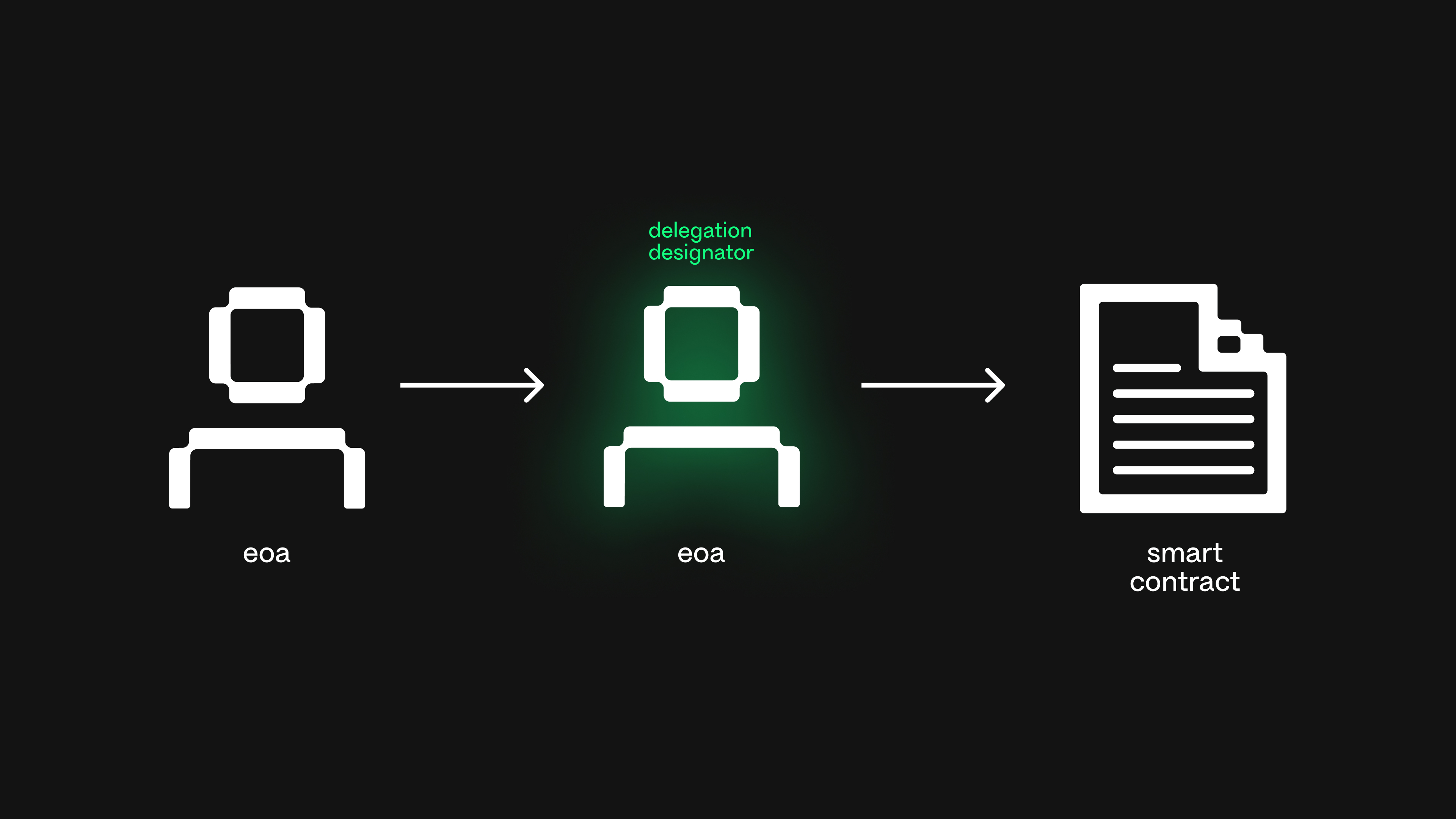
EIP-7702 is live across all major Ethereum networks, including the mainnet. This activation allows externally owned accounts (EOAs)—the standard wallet addresses users create via seed phrases—to delegate authority to smart contracts. The change is backward compatible; existing wallets and dApps continue to function without modification.
The core shift is that EOAs can now store code and interact with smart contracts directly. This bridges the gap between traditional accounts and Account Abstraction (ERC-4337). Users gain access to features like session keys, gas sponsorship, and batched transactions while retaining their original address. No address migration is required.
The implementation follows the original specification, which was finalized after extensive testing on testnets. For developers, this means existing tooling remains valid, but new patterns for key management and delegation have emerged. The protocol does not change the fundamental security model of private keys; it simply adds a layer of programmable logic above them.
EIP-7702 Tradeoffs in 2026
EIP-7702 introduces a hybrid model where Externally Owned Accounts (EOAs) temporarily adopt smart contract functionality. This shift allows users to leverage features like session keys and gas sponsorship without abandoning the familiar EOA address format. However, this convenience comes with distinct technical tradeoffs that wallet developers and end-users must evaluate.
The primary advantage is flexibility. By delegating authority to a smart contract, an EOA can execute complex logic, such as multi-signature approvals or batched transactions, while retaining the simplicity of a standard key pair. This bridges the gap between traditional wallets and Account Abstraction (ERC-4337) without requiring a full migration to smart contract wallets.
The main drawback is complexity and potential security risks. The delegation process involves signing specific authorization codes, which can confuse users unfamiliar with cryptographic signatures. Additionally, if the delegated smart contract is compromised, the EOA’s assets are at risk until the delegation is revoked. This creates a temporary attack surface that traditional EOAs do not possess.
Comparison: EOA vs. EIP-7702 vs. Smart Contract Wallet
| Feature | Standard EOA | EIP-7702 Delegated EOA | Smart Contract Wallet |
|---|---|---|---|
| Security | Single private key | Private key + Contract logic | Multi-sig / Social recovery |
| Gas Sponsorship | No | Yes (via delegate) | Yes |
| Recovery Options | None | Limited (depends on delegate) | Robust |
| User Experience | Simple | Moderate (signature steps) | Complex (setup required) |
| Immutability | High | Medium (revocable) | Low (upgradable) |
When to Use EIP-7702
EIP-7702 is ideal for users who want the security of an EOA but need the functionality of a smart contract for specific tasks. It is particularly useful for:
- Session Keys: Granting temporary access to dApps without exposing the main private key.
- Gas Sponsorship: Allowing dApps to pay for transactions on behalf of the user.
- Batched Transactions: Executing multiple operations in a single transaction to save gas.
Decision Framework
Choose EIP-7702 if you prioritize ease of use and want to experiment with account abstraction features without fully migrating to a smart contract wallet. Opt for a traditional smart contract wallet if you need robust recovery options and are willing to manage a more complex setup. Avoid EIP-7702 if you are risk-averse and prefer the simplicity and proven security of a standard EOA.
| Feature | Standard EOA | EIP-7702 | Smart Contract Wallet |
|---|---|---|---|
| Security | Single key | Key + Contract | Multi-sig |
| Gas Sponsorship | No | Yes | Yes |
| Recovery | None | Limited | Robust |
| UX | Simple | Moderate | Complex |
How to Choose the Right EIP-7702 Wallet Setup
EIP-7702 lets Externally Owned Accounts (EOAs) delegate to smart contracts, enabling features like session keys, gas sponsorship, and transaction batching without changing the underlying address. This shift moves Ethereum closer to full Account Abstraction, giving users more control and developers more flexibility. The decision on how to use this feature depends on your specific needs for security, cost, and user experience.
If you hold significant assets, prioritize wallets that support multi-signature logic or hardware wallet integration. EIP-7702 allows for complex validation rules, so ensure your wallet can enforce these rules securely. Look for implementations that clearly separate private key storage from transaction signing logic.
For frequent, low-value transactions, gas sponsorship is a major benefit. EIP-7702 enables third parties to pay gas fees on your behalf using session keys. If you are building a dApp or managing high-volume transactions, this feature can significantly reduce friction and cost for end users.
Not all decentralized applications currently support EIP-7702 delegation. Before committing to a new wallet setup, verify that your primary dApps can interact with delegated EOAs. This ensures you can use features like session keys without fallback to traditional, more expensive signing methods.
Since EIP-7702 is a relatively new upgrade, wallet implementations vary in stability and feature completeness. Choose wallets that are actively maintained and have undergone security audits. Avoid experimental setups for long-term storage, preferring established providers with clear upgrade paths.
| Feature | Traditional EOA | EIP 7702 |
|---|---|---|
| Gas Sponsorship | No | Yes |
| Session Keys | No | Yes |
| Transaction Batching | No | Yes |
| Complex Logic | No | Yes |
The core tradeoff is between simplicity and capability. Traditional EOAs are universally compatible but lack advanced features. EIP-7702 introduces complexity but unlocks powerful functionality like session keys and gas sponsorship. For most users, the decision comes down to whether the benefits of these features outweigh the need for maximum compatibility with older dApps.
Spotting Weak EIP-7702 Options
EIP-7702 lets EOAs delegate to smart contracts, enabling session keys and gas sponsorship without changing your address. Yet many implementations hide critical tradeoffs. Before integrating, check these common pitfalls.
1. The "No Code" Myth
Some wallets claim EIP-7702 keeps EOAs "code-free." This is misleading. While the address remains an EOA, the delegation injects executable logic into the transaction context. If a wallet ignores this, it may fail to validate signatures correctly or expose users to unexpected execution paths.
2. Gas Complexity
EIP-7702 introduces new gas cost structures for delegation and execution. Many dApps still assume standard EOA gas models. If a project doesn't update its gas estimation logic, users will face failed transactions or overpaying for simple interactions. Always verify gas estimates against a live testnet.
3. Session Key Risks
Session keys are a major benefit of EIP-7702, but they are also a common attack vector. Weak implementations may not enforce expiration or scope limits. A compromised session key can drain funds if the wallet doesn't implement strict revocation mechanisms. Check if the wallet supports granular permission scopes.
Comparison: EIP-7702 vs. Standard EOA
| Feature | Standard EOA | EIP-7702 Delegated |
|---|---|---|
| Code Execution | None | Delegated Smart Contract |
| Gas Sponsorship | No | Yes (via sponsor) |
| Session Keys | No | Yes |
| Address Change | N/A | No |
Decision Guide
Use EIP-7702 if you need session keys or gas sponsorship. Avoid it if your users are not tech-savvy, as the complexity increases support costs. Always audit the delegation logic in your smart contract wallet implementation.
Eip-7702 2026: what to check next
EIP-7702 is now live on Ethereum mainnet. It allows externally owned accounts (EOAs) to temporarily adopt smart contract functionality without changing their address. This upgrade introduces session keys, gasless transactions, and social recovery to standard wallets, bridging the gap between simple key management and full account abstraction.
Is EIP-7702 implemented?
Yes, EIP-7702 is fully implemented and active on Ethereum mainnet. The protocol upgrade went live in 2024 and remains the standard for EOA delegation in 2026. You can verify its status on the official Ethereum Improvement Proposals repository or through major block explorers like Etherscan.
How does EIP-7702 differ from ERC-4337?
EIP-7702 modifies the core protocol to let EOAs delegate to smart contracts, while ERC-4337 relies on a separate mempool and bundler infrastructure. EIP-7702 is simpler for users because it works with existing wallets and addresses. ERC-4337 requires new wallet architectures and additional gas fees for bundlers.
Can I use EIP-7702 with my current wallet?
Most major wallets like MetaMask and Safe have integrated EIP-7702 support. You do not need to migrate funds to a new address. Your existing EOA can sign transactions that delegate authority to a smart contract, enabling features like session keys for specific dApps.
What are the security risks of EIP-7702?
The primary risk is smart contract vulnerability in the delegated logic. If the contract you delegate to has a bug, your funds are exposed. Always audit the contract code and use time-limited session keys. EIP-7702 reverts to the original EOA security model when delegation expires.
No comments yet. Be the first to share your thoughts!