
EIP-7702 migration status 2026: Practical comparison
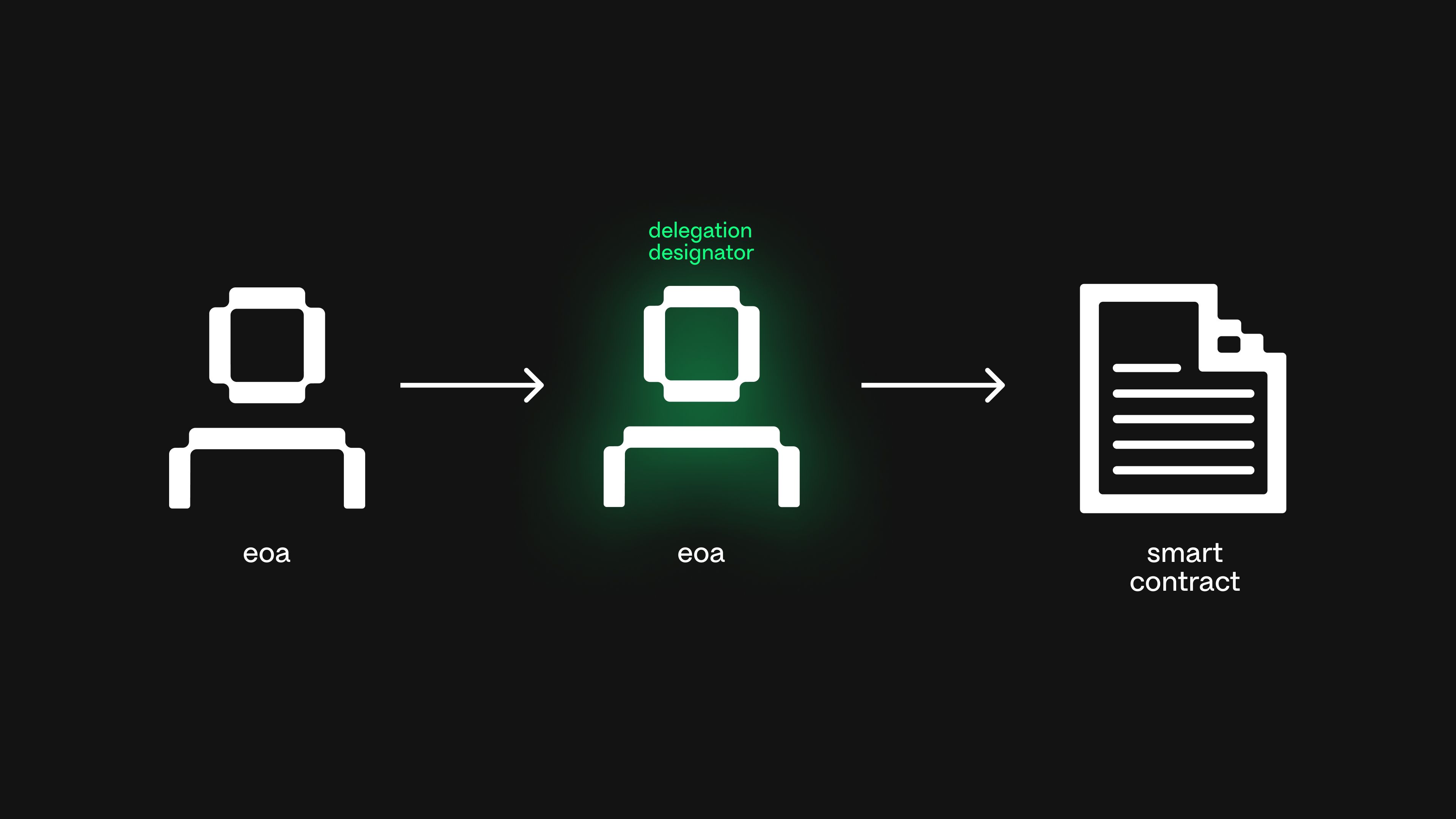
The EIP-7702 migration is not a simple address swap; it is a fundamental shift in how Externally Owned Accounts (EOAs) interact with smart contracts. By allowing EOAs to temporarily delegate authority to smart contracts via INITCODE, EIP-7702 introduces significant complexity for legacy dApps that assume EOAs are inert. The migration status for 2026 reflects a landscape where wallet support is maturing, but backend compatibility remains the primary bottleneck.
Use the comparison below to evaluate your specific constraints. Start with your primary use case, then separate must-have requirements from nice-to-have features.
| Factor | What to check | Why it matters |
|---|---|---|
| Fit | Match the option to the primary use case. | |
| Condition | Verify wallet and contract compatibility. | |
| Cost | Compare gas costs with potential downtime. |
EIP-7702 migration status 2026: Key considerations
The migration status for 2026 highlights that while users do not need to move funds, their infrastructure must adapt. Wallets like Rabby and Safe have published implementation roadmaps, but dApp backends often rely on outdated signature verification logic. If your dApp still expects traditional ECDSA signatures from a static key pair, it will reject valid 7702 transactions. The asset stays put, but the execution path changes entirely.
Many teams are misled by claims that "no migration" means "no work." While users do not need to move funds, your smart contracts must be updated to handle the new INITCODE and delegation signatures. Ignoring this creates a broken user experience where transactions appear to hang or fail silently. Verify your contract's isContract checks against the new delegation state before the deadline.
Why legacy dApps fail the EIP-7702 deadline
Most dApps are not failing because they lack funds; they are failing because they misunderstand the upgrade mechanism. EIP-7702 allows externally owned accounts (EOAs) to temporarily delegate authority to smart contracts without moving assets. This distinction is critical for legacy systems built on the assumption that EOAs are inert.
The migration is not a simple address swap. Wallets like Rabby have published implementation roadmaps, but dApp backends often rely on outdated signature verification logic. If your dApp still expects traditional ECDSA signatures from a static key pair, it will reject valid 7702 transactions. The asset stays put, but the execution path changes entirely.
Many teams are misled by claims that "no migration" means "no work." While users do not need to move funds, your smart contracts must be updated to handle the new INITCODE and delegation signatures. Ignoring this creates a broken user experience where transactions appear to hang or fail silently. Verify your contract's isContract checks against the new delegation state before the deadline.
EIP-7702 migration status 2026: What to check next
Do I need to move my funds to upgrade?
No. The migration is a signature-based update to your account’s code hash, not a transfer of assets. Your funds remain in the same address. You simply sign a transaction that delegates your EOA’s execution to a smart contract (like a Safe). This means you can upgrade without worrying about bridge risks or liquidity moves.
Will my current wallet support EIP-7702?
Support is rolling out incrementally. Major custodial wallets like Safe have published implementation roadmaps, but consumer wallets vary. Check your wallet’s official changelog or support page before initiating any delegation. If your wallet doesn’t support the TYPE_4 transaction format, you won’t be able to sign the delegation set code transaction required for the upgrade.
Can I reverse the delegation if I make a mistake?
You can revoke the delegation by signing a new transaction that sets the code hash back to zero. However, until that revocation transaction is confirmed, your address will behave as a smart contract. This means you cannot send simple ETH transfers from that address until the revocation is complete. Plan your migration during low-activity periods to avoid failed transactions.
Does this break legacy DApps?
Most legacy DApps will continue to work, but some may fail if they explicitly check for extcodesize to distinguish between EOAs and contracts. If a DApp rejects your transaction because it detects code at your address, you may need to use a wrapper contract or switch to a wallet that offers a "legacy mode" or alternative signing interface until the DApp updates its checks.
No comments yet. Be the first to share your thoughts!