
Get eip-7702 migration right
Start The EIP-7702 Playbook with the constraint that matters most in real life: space, timing, budget, skill level, maintenance, or availability. That first constraint should shape the rest of the plan instead of appearing as an afterthought. Keep the first pass simple enough to verify. Compare the main options against the same criteria, remove choices that only work in ideal conditions, and save optional upgrades for later.
The simplest way to use this section is to write down the real constraint first, compare each option against it, and choose the path that still works outside ideal conditions.
Secure your smart contracts before the EIP-7702 mainnet transition
EIP-7702 changes how externally owned accounts (EOAs) interact with smart contracts. This upgrade lets regular wallets execute code, which improves functionality but introduces new attack vectors. If your contracts rely on EOA signatures or proxy patterns, they may need adjustments before the final mainnet transition.
The migration is not automatic. You must audit your codebase, update signature verification, and test against the new set-code transaction structure. Skipping these steps could leave your protocol vulnerable to unauthorized execution or fund loss.
Follow this ordered sequence to secure your implementation. Each step builds on the previous one, ensuring a smooth transition without compromising security.
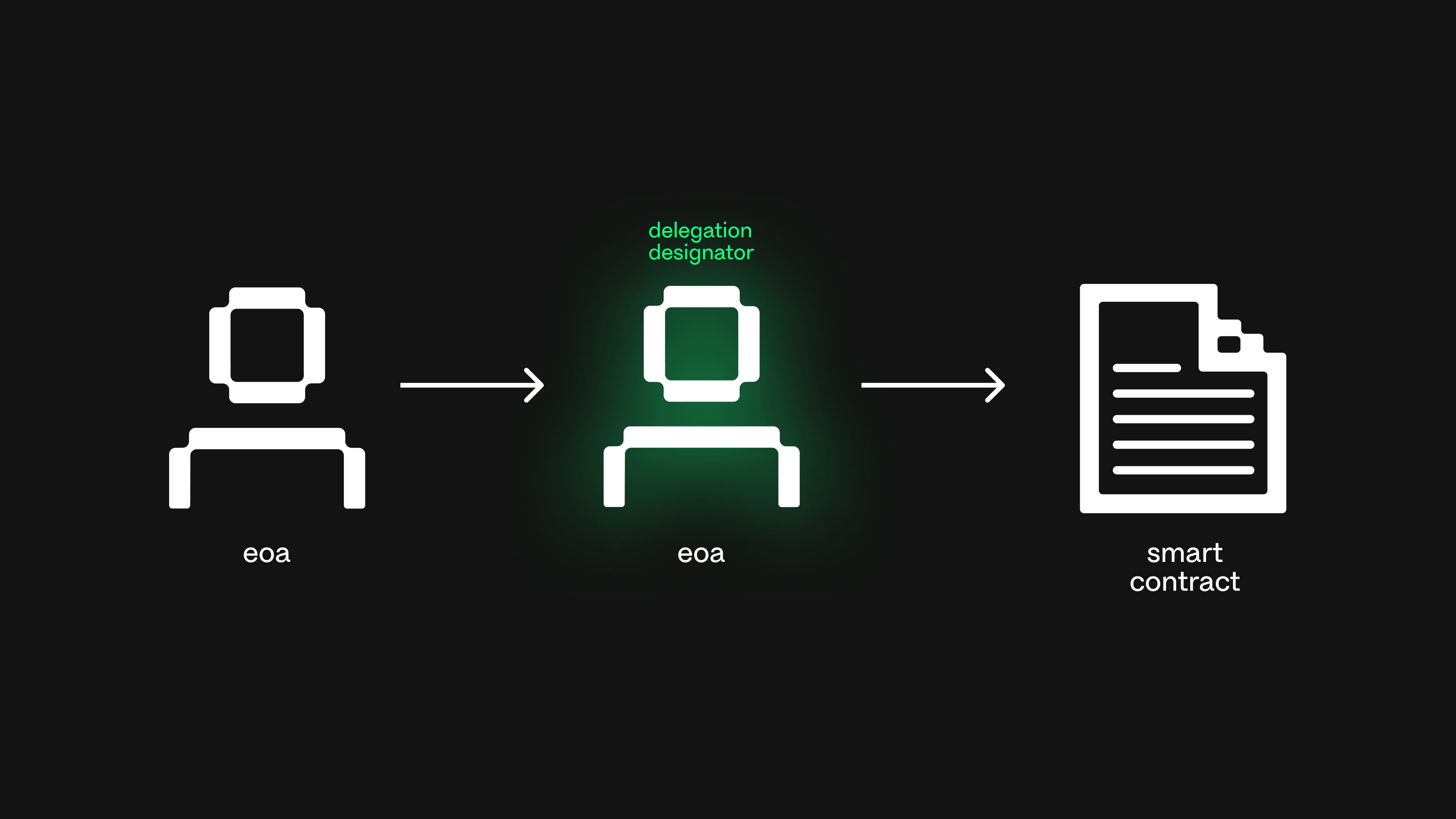
Review all contract functions that verify EOA signatures. EIP-7702 allows EOAs to delegate execution to smart contracts via AUTHORIZATION transactions. If your contract assumes the signer is a pure EOA, it may fail to validate delegated signatures correctly. Update your ecrecover or ecverify calls to handle the new tx.origin behavior and ensure they reject invalid delegation attempts.
If your protocol uses proxy patterns, verify that the proxy logic correctly distinguishes between EOAs and EOA-delegated accounts. EIP-7702 introduces a new code slot for EOAs. Ensure your proxy’s delegatecall logic does not inadvertently execute code from a delegated EOA, which could lead to unexpected state changes or fund drainage. Test with both standard EOAs and those with attached code.

Simulate the new set-code transaction type on a testnet. This transaction type allows an EOA to attach code to itself temporarily. Deploy a test contract that accepts these transactions and verify that your protocol correctly processes them. Ensure that the code execution is limited to the transaction scope and does not persist in a way that could be exploited for replay attacks or state corruption.
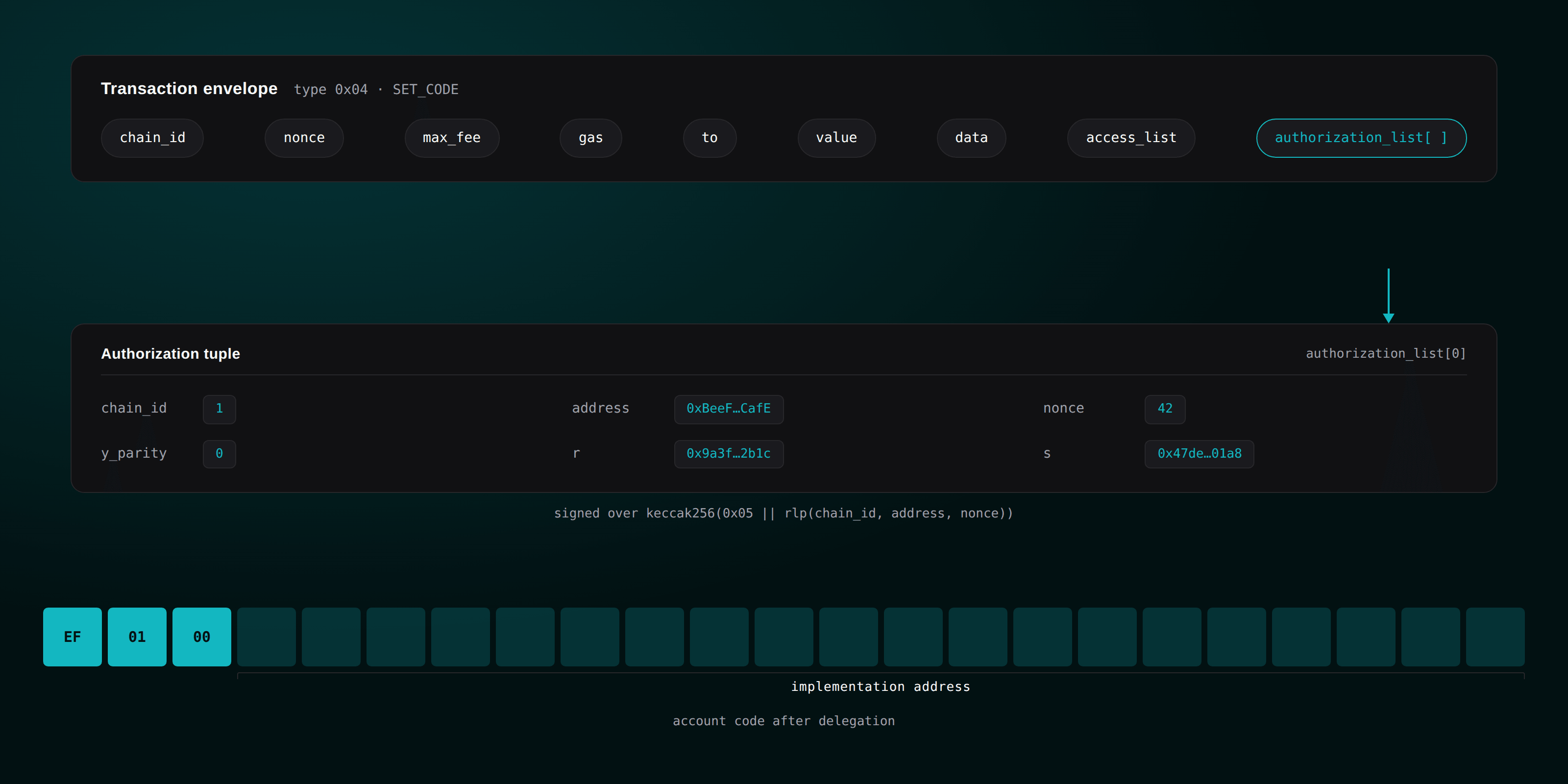
EIP-7702 transactions have different gas accounting rules. Update your gas estimation logic to account for the additional complexity of delegated execution. If your protocol uses gasless transactions or meta-transactions, ensure that the fee payer is correctly identified and that the gas limit is sufficient to handle the new execution path. Underestimating gas could lead to failed transactions or user frustration.

Before the mainnet transition, engage a third-party auditor to review your updated codebase. Focus on the changes made to signature verification, proxy logic, and gas handling. Request a specific audit for EIP-7702 compatibility. This step is critical for identifying edge cases that internal testing might miss. Do not proceed to mainnet without a clean audit report.
-
Audit signature verification for EOA delegation
-
Update proxy logic to handle EOA code slots
-
Test set-code transactions on testnet
-
Verify gas estimation for new transaction types
-
Complete third-party security audit
Fix common mistakes
The EIP-7702 Playbook troubleshooting should start with a clear boundary: what is actually broken, and what still works normally. Check the display, network connection, paired devices, app access, and recent updates before assuming the whole system needs a reset. A small connection failure can make the main screen feel unreliable even when the core system is fine. Work from low-risk checks to deeper resets. Confirm power state, safe parking, account access, and signal first. Then restart the interface, wait for it to reload completely, and test the original symptom. Avoid changing multiple settings at once because that makes it harder to know which step actually fixed the problem. If the issue affects safety information, repeats after every restart, or appears with warning messages, treat the reset as a temporary diagnostic step rather than the final fix. Document the symptom and move to official support instead of stacking more DIY attempts.
The simplest way to use this section is to keep the setup small, verify each change, and record the stable configuration before adding optional accessories.
No comments yet. Be the first to share your thoughts!