
Get Your EIP-7702 Migration Right
Before you sign any authorization, verify that your target chain has activated the Pectra upgrade. EIP-7702 is not a separate token or a new wallet type; it is a protocol-level change that lets externally owned accounts (EOAs) delegate to smart contracts for one transaction or indefinitely. If the network is not upgraded, your transactions will revert or cost standard gas without any abstraction benefits.
Check your wallet’s support status. Most major wallets now handle 7702 signatures, but older or hardware-only interfaces may still require manual work. Ensure your signing device can produce the required BLS or ECDSA signatures for the SET_EOA_ACCOUNT_CODE operation. If your wallet does not explicitly mention 7702 support, assume it is not ready.
Review your current gas strategy. EIP-7702 transactions often have higher base gas costs due to code execution verification. If you are migrating a high-volume project, calculate the difference between standard transfers and 7702-delegated transactions. Some projects find that the upfront cost is justified by reduced long-term overhead, while others stick to standard EOAs for simple transfers. Test on a testnet first to measure the actual gas delta.
Do not assume your existing ERC-4337 infrastructure is compatible. EIP-7702 and ERC-4337 serve different layers: 7702 modifies the EOA itself, while 4337 relies on a separate entry point contract. Mixing them without understanding the interaction can lead to failed transactions or unexpected gas spikes. Stick to one abstraction model per account unless you have a specific, tested reason to combine them.
Work through the steps
EIP-7702 works best as a clear sequence: define the constraint, compare the realistic options, test the tradeoff, and choose the path with the fewest hidden costs. That order keeps the advice usable instead of decorative. After each step, pause long enough to check whether the recommendation still fits the reader's actual situation. If it depends on perfect timing, unusual access, or a best-case budget, include a simpler fallback.
Mistakes That Break EIP-7702 Deployments
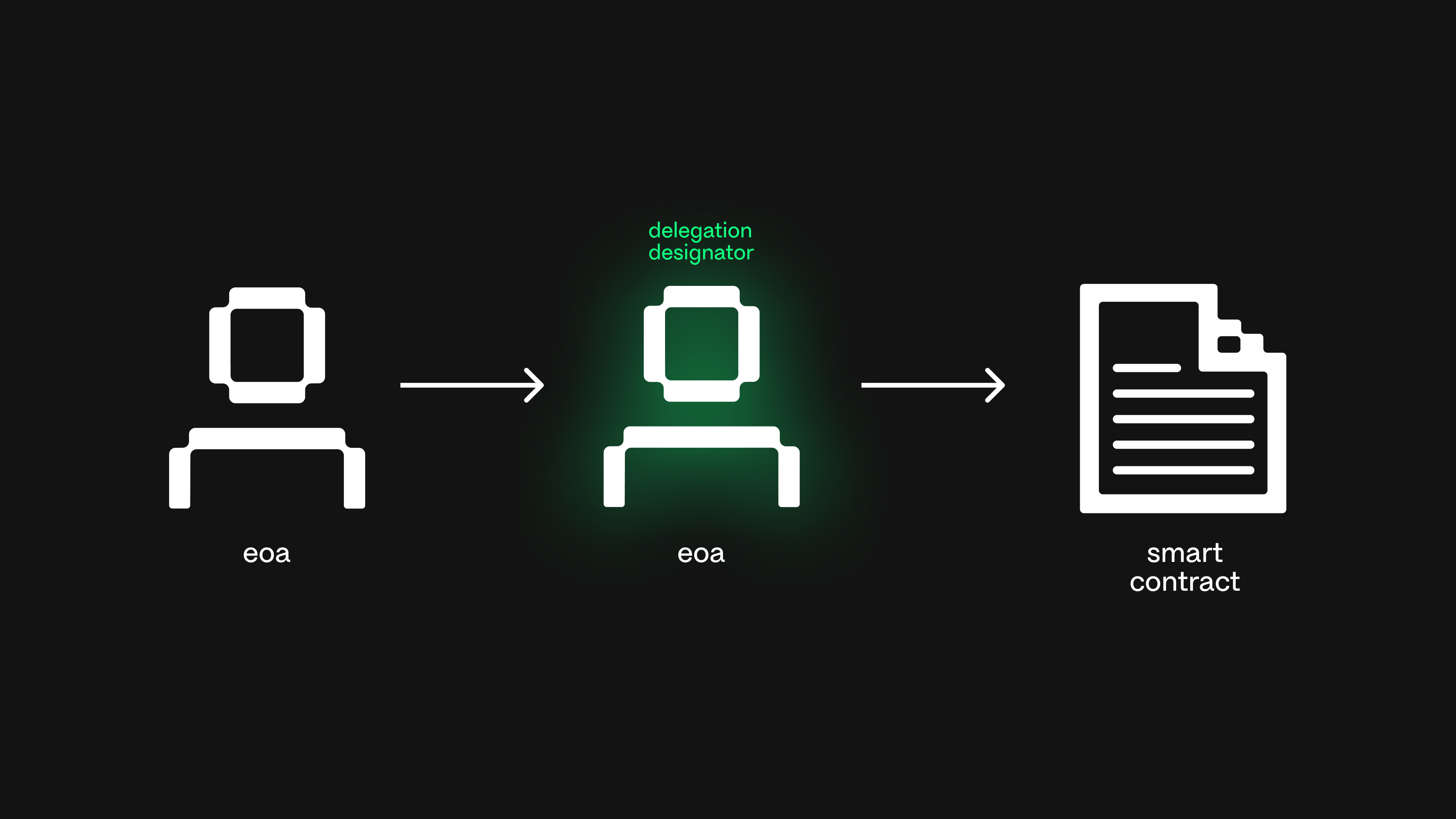
Most projects treat EIP-7702 like a standard wallet migration, but it is not. The protocol allows Externally Owned Accounts (EOAs) to delegate execution to a smart contract without moving assets or changing the user’s address. Treating it as a migration leads to unnecessary friction and failed transactions. The primary error is assuming users must "move" their funds to a new contract address. There is no permanent migration. Users simply sign an authorization that links their existing EOA to a smart account logic.
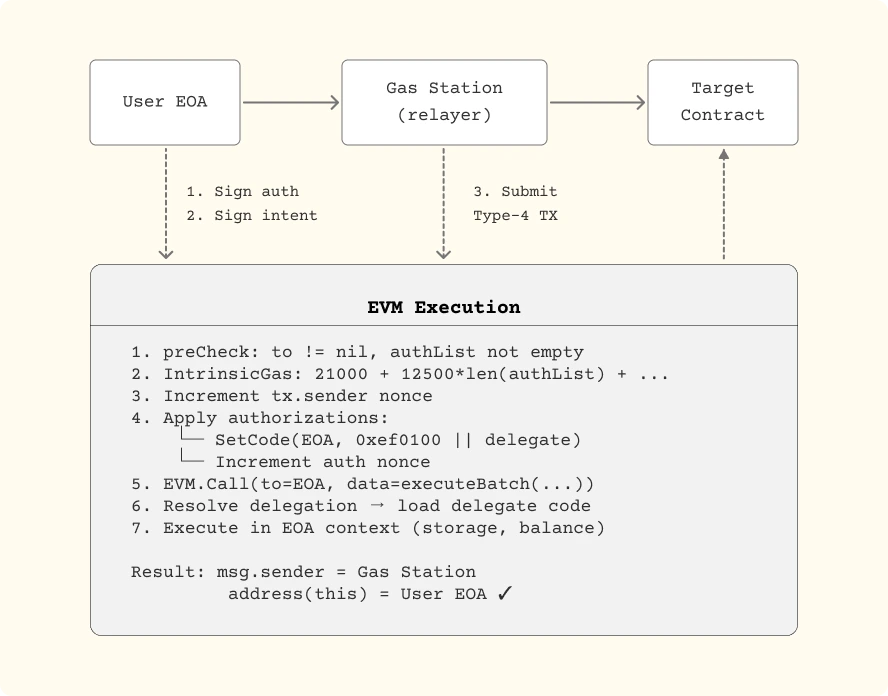
Another frequent failure is ignoring the authorization lifecycle. Projects often store the delegation code but forget that the EOA must sign a specific transaction to activate it. Without this on-chain signature, the smart contract logic remains dormant. Developers also frequently overlook the "revoke" mechanism. If a user’s session key is compromised, the ability to revoke delegation is critical for security. Failing to implement a clean revocation path leaves users exposed to persistent unauthorized access.
Gas estimation errors are the third major trap. Because EIP-7702 transactions involve both the EOA signature and the smart contract code execution, gas costs are higher than standard transfers. Projects that hardcode gas limits often see transactions revert during high network congestion. Always use dynamic gas estimation tools that account for the additional bytecode execution. This ensures the transaction goes through without failing due to insufficient gas.
Eip-7702 migration 2026: what to check next
Many projects hesitate because the terminology feels like a migration event. It isn’t. Understanding the mechanics clears up the confusion and prevents costly gas traps during deployment.
No comments yet. Be the first to share your thoughts!